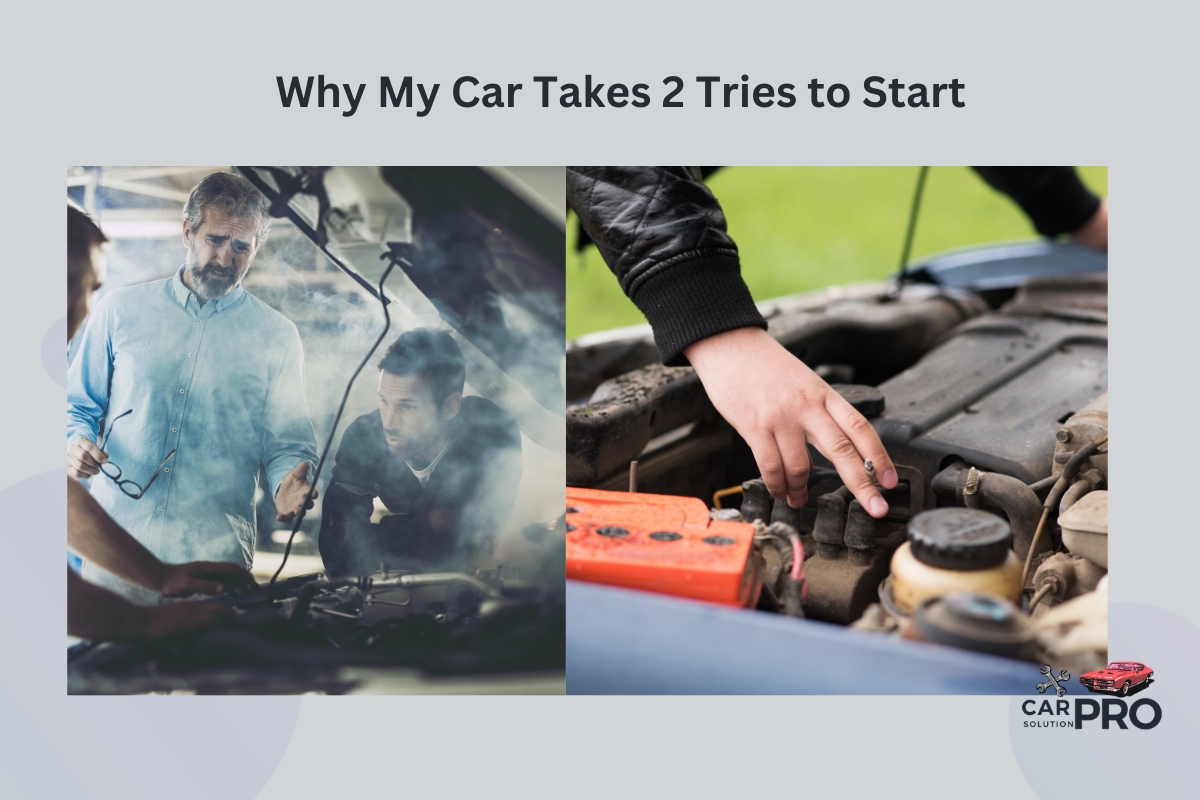
Starting your car should be a simple task, but sometimes it can take two or more attempts to get the engine running. This frustrating issue can stem from various factors, ranging from battery problems to fuel system issues. A car that takes multiple tries to start often indicates an underlying problem that needs attention.
When your vehicle struggles to start, it’s usually due to a weak battery, faulty starter motor, or issues with the fuel or ignition system. Cold weather can also make starting more difficult, as it affects battery performance and fuel vaporization. Regular maintenance and prompt attention to warning signs can help prevent these problems from worsening.
Fouled spark plugs can be another reason why a car needs multiple attempts to start. As the gap between spark plugs widens, it takes more effort for the ignition system to create the spark needed to start the engine. Checking and replacing spark plugs as part of routine maintenance can help avoid this issue.
Key Takeaways
- Multiple start attempts often point to underlying car issues needing attention
- Battery, starter, fuel, and ignition system problems are common culprits
- Regular maintenance helps prevent starting difficulties
Common Reasons for Starting Issues
Cars that take two tries to start often have issues with key components. These problems can stem from the electrical system, engine, or fuel delivery.
Battery Health and Connections
A weak or dying battery is a frequent culprit for starting problems. When a battery loses its charge, it may not provide enough power to start the engine on the first try.
Corroded or loose battery connections can also cause issues. These bad connections prevent the full power from reaching the starter.
Regular battery checks help prevent surprises. Most auto parts stores offer free battery testing. Cleaning battery terminals and tightening connections can solve many starting problems.
Starter Motor Problems
A faulty starter motor can cause a car to need multiple attempts to start. The starter may struggle to turn the engine over if it’s wearing out.
Signs of a failing starter include:
- Clicking sounds when turning the key
- Grinding noises during start attempts
- Slow cranking of the engine
Starter issues often worsen over time. Getting the starter checked early can prevent being stranded later.
Fuel System Complications
Fuel system problems can lead to starting difficulties. A clogged fuel filter or weak fuel pump may not deliver enough fuel to start the engine on the first try.
Other fuel-related issues include:
- Dirty fuel injectors
- Contaminated fuel
- Empty gas tank
Regular fuel system maintenance helps prevent these problems. This includes changing the fuel filter and using fuel system cleaners as recommended.
In colder weather, condensation in the fuel tank can cause starting issues. Keeping the tank at least half full reduces this risk.
Ignition System Troubleshooting
The ignition system is key to starting your car. Problems with spark plugs or the ignition switch can cause starting issues. Let’s look at these components in detail.
Spark Plug Functionality
Spark plugs create the spark that ignites fuel in the engine. Over time, they can wear out or get dirty. This makes it hard for your car to start.
Signs of bad spark plugs:
- Engine misfires
- Rough idle
- Poor fuel economy
- Trouble accelerating
To check spark plugs:
- Remove them from the engine
- Look for wear or deposits
- Check the gap between electrodes
Replace spark plugs if they’re worn out. This often fixes starting problems. Clean spark plugs can help too, but replacement is best for older ones.
Ignition Switch Concerns
The ignition switch connects your key to the starting system. A faulty switch can prevent your car from starting on the first try.
Common ignition switch issues:
- Key won’t turn
- Car stalls after starting
- Electrical problems when driving
To test the ignition switch:
- Turn the key to “On”
- Check if dashboard lights come on
- Listen for the fuel pump noise
If these don’t happen, you might have a bad ignition switch. A mechanic can replace it if needed. This often solves starting problems quickly.
Impact of Weather and Temperature
Extreme temperatures can significantly affect a car’s starting ability. Cold and hot weather both present unique challenges for vehicle engines and components.
Cold Start Challenges
When temperatures drop, car engines struggle to start. Cold weather can drain a car’s battery, making it harder to generate the power needed to crank the engine. Oil also thickens in cold conditions, increasing resistance in the engine.
Fuel doesn’t vaporize as easily in cold weather, leading to poor combustion. This can cause the engine to misfire or fail to start on the first try.
Cold can also affect other components like spark plugs and starter motors. Moisture in the fuel system may freeze, blocking fuel lines.
To help with cold starts, use the proper oil viscosity for winter. Keep the battery charged and consider using a block heater in extremely cold climates.
Heat-Related Issues
Hot weather can also cause starting problems. High temperatures can lead to vapor lock in the fuel system. This happens when fuel vaporizes in the lines before reaching the engine.
Extreme heat can cause battery fluid to evaporate, weakening the battery’s charge. This makes it harder for the starter to turn over the engine.
Hot engines may experience a phenomenon called “heat soak.” After shutting off, residual heat can cause fuel to vaporize in the injectors, leading to hard starts.
To prevent heat-related starting issues:
- Park in shaded areas when possible
- Use fuel with the correct volatility for your climate
- Keep the battery clean and well-maintained
Regular maintenance helps ensure your car starts reliably in all weather conditions.
Electrical Component Failures
Electrical issues can cause a car to need multiple start attempts. Problems with the alternator or loose connections can disrupt the flow of electricity needed to start the engine.
Alternator Performance
The alternator charges the battery and powers electrical systems while the engine runs. A failing alternator may not fully charge the battery, leading to starting problems. Signs of alternator trouble include dim headlights and dashboard warning lights.
Alternators typically last 7-10 years. Wear on internal components like brushes and bearings reduces output over time. High mileage and frequent short trips can shorten an alternator’s lifespan.
If the alternator isn’t charging properly, the battery drains faster. This leaves less power for starting the engine. A mechanic can test alternator output to diagnose issues.
Electrical Connections and Fuses
Loose or corroded electrical connections interrupt power flow to the starter and other components. This can cause starting problems. Key areas to check include battery terminals and ground straps.
Cleaning battery terminals and tightening connections often solves minor electrical issues. Applying dielectric grease helps prevent future corrosion.
Blown fuses can also prevent a car from starting. The starter fuse or relay may be faulty. Checking fuses is a simple first step in diagnosing electrical problems.
Wiring damage from heat, vibration, or rodents can create intermittent starting issues. A thorough inspection may be needed to find hidden wiring problems.
Mechanical Factors and Maintenance
Cars have many moving parts that can wear down over time. Regular upkeep is key to keeping your vehicle starting smoothly.
Aging Components
Spark plugs play a crucial role in starting your car. As they age, the gap between them can widen, making it harder to start the engine.
Fuel injectors can also get clogged, reducing the amount of fuel that reaches the engine. This can cause starting problems.
The starter motor is another part that can wear out. If it’s weak, it may not turn the engine over properly on the first try.
Corroded battery terminals can prevent enough power from reaching the starter. Cleaning them can often fix starting issues.
Regular Service Importance
Following your car’s maintenance schedule is vital for preventing starting problems. Regular oil changes keep the engine running smoothly.
Replacing the air filter helps the engine get enough air to start easily. A clogged filter can cause starting trouble.
Checking and replacing fluids like coolant and brake fluid helps protect engine parts. This can prevent wear that leads to starting issues.
Having your car checked by a mechanic yearly can catch small problems before they become big ones. They can spot worn parts that might cause starting trouble.
Frequently Asked Questions
Cars that take multiple tries to start can have various underlying issues. These problems range from battery troubles to fuel system malfunctions. Understanding the common causes can help diagnose and fix the problem.
Why does my car struggle to start on the first attempt but run fine after starting?
This often points to a fuel system issue. The fuel pressure may drop when the car sits idle, making it hard to start initially. Once running, the pressure builds up again. A faulty fuel pump or clogged fuel filter can cause this problem.
What causes a car to require multiple key turns before it will start?
A weak battery is a common culprit. It may not have enough power for the first start attempt. Other possibilities include a failing starter motor or corroded battery connections.
Could cold weather be the reason my car takes several attempts to start?
Yes, cold temperatures can make starting more difficult. Engine oil thickens in cold weather, making it harder for the engine to turn over. Batteries also lose efficiency in low temperatures, providing less power to start the engine.
What are common issues that lead to a car only starting on the second try?
Fouled spark plugs can cause this problem. Other issues include a failing fuel pump, a clogged fuel filter, or a faulty ignition switch. Sometimes, a problematic sensor like the crankshaft position sensor can be the cause.
Why might a vehicle consistently require two cranks before it starts?
This could indicate a problem with the fuel delivery system. The fuel pressure may be dropping when the car is off, requiring an extra crank to build it back up. A check valve in the fuel system might be failing.
What are potential problems when a car won’t start on first try but will on the second?
This symptom often points to electrical system issues. A weak battery or alternator might provide just enough power on the second try. Corroded or loose battery terminals can also cause this. In some cases, a failing starter motor may be the culprit.
When you purchase a product through Amazon links on carsolutionpro.com, we may earn a small commission at no extra cost to you. This helps support the site and keep our content free. As an Amazon Associate, we earn from qualifying purchases made through our links.