Are you wondering how to turn off your ABS system? Whether you’re dealing with a persistent ABS warning light or need to disable it for specific maintenance, understanding the right steps is crucial.
Turning off the ABS isn’t as simple as flipping a switch—it involves careful actions that can affect your vehicle’s safety and performance. You’ll discover easy-to-follow methods to disable your ABS system safely, what to expect when you do, and important precautions you must take.
Keep reading to make sure you handle your ABS system the right way and stay in control every time you hit the brakes.
Reasons To Turn Off Abs
Turning off the ABS system is sometimes needed for specific reasons. Some drivers want to disable it during off-road driving or when using certain tires. Others may turn it off if the system is malfunctioning and causing issues. In some cases, mechanics disable ABS to fix or reset the system.
Disabling ABS can help when the system causes false warnings or prevents proper brake function in rare situations. However, it is important to know that turning off ABS may reduce safety on wet or slippery roads. Drivers must be careful and skilled to handle the vehicle without ABS.
Safety Risks Without Abs
Driving without ABS means the wheels can lock during hard braking. Locked wheels cause skidding and loss of control, especially on wet or icy roads. This makes stopping safely much harder.
ABS helps keep the car stable and steerable during sudden stops. Without it, the driver must brake more carefully and gently. Stopping distances may increase, raising accident risk.
Turning off ABS disables important safety features. Warning lights will usually come on, alerting the driver to system failure. Some vehicles may also lose traction control or stability aids when ABS is off.
Locating The Abs Fuse
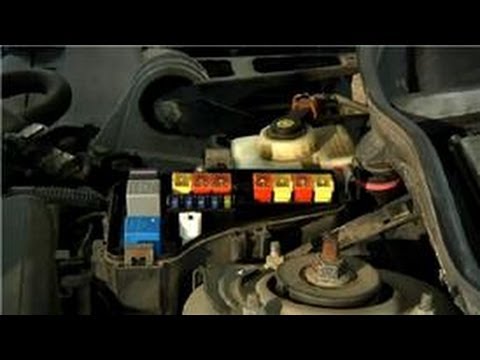
Start by finding the ABS fuse in your car’s fuse box, usually under the hood or dashboard. Removing this fuse can turn off the ABS system temporarily. Always check the owner’s manual to locate the exact fuse position safely.
Credit: www.youtube.com
Step-by-step Fuse Removal
Start by disconnecting the battery to avoid electrical shocks. Locate the car’s fuse box; it’s often under the hood or near the dashboard. Use the car manual to identify the ABS fuse—it should be labeled clearly. Carefully pull out the ABS fuse with a fuse puller or pliers. Removing this fuse cuts power to the ABS system, disabling it temporarily.
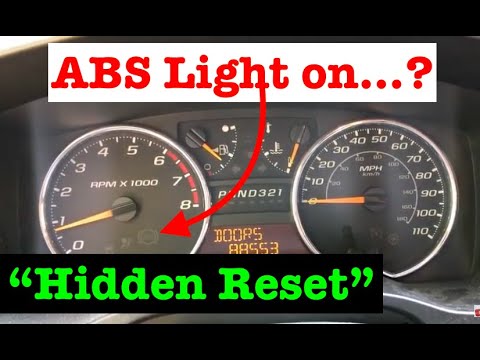
After removal, verify deactivation by checking the ABS warning light on the dashboard. It should stay on, showing the system is off. Finally, test the brakes gently to ensure the car still stops safely but without ABS intervention. Remember, without ABS, wheels may lock during hard braking. Drive carefully.
Using Abs On/off Switch
First, check if your car has an ABS on/off switch. Not all vehicles include this feature. It is usually located on the dashboard or near the gear shift.
Once found, activate the switch by pressing or turning it. This will disable the ABS system temporarily. The ABS warning light may appear on the dashboard.
Always remember, turning off ABS can affect your car’s safety. Drive carefully after deactivating the system. Use the switch only when necessary and allowed by your car’s manual.
Alternative Methods To Disable Abs
Disconnecting the ABS control unit stops the system from working. This unit controls the braking system and sends signals to prevent wheel lock.
Unplugging the wheel speed sensors can also disable ABS. These sensors tell the control unit how fast each wheel is turning. Without their input, ABS cannot function properly.
Both methods may cause warning lights to appear on your dashboard. This shows the system is turned off or has a fault. It can also affect other safety features.
These methods require some knowledge of your car’s electrical parts. Be careful, as disabling ABS can change how your car brakes, especially on slippery roads.
Effects Of Disabling Abs
Disabling the ABS system can lead to serious safety risks. Without ABS, wheels may lock during hard braking. This causes skidding and loss of control, especially on wet or icy roads. Stopping distances might increase, putting you and others in danger.
Drivers must use more skill to brake safely without ABS. The system helps keep the vehicle stable and prevents wheel lockup. Turning off ABS also triggers warning lights on the dashboard. It may affect other safety systems that rely on ABS.
It is usually better to fix ABS issues than to disable it. Proper diagnosis of sensors, wiring, and modules keeps the system working well. Use an OBD-II scanner to check for ABS faults before deciding to turn it off.
Credit: www.youtube.com
When To Avoid Turning Off Abs
Avoid turning off ABS during wet or icy road conditions. The system helps prevent wheel lock-up and skidding. Disabling it can make braking dangerous and cause loss of control.
Do not turn off ABS if you drive on busy streets or highways. ABS improves safety by keeping the car stable when braking hard. It is best to keep the system active in city traffic.
Turn off ABS only when working on the braking system. This may be needed for repairs or diagnostics. Otherwise, leaving ABS on helps maintain better control and stability.

Credit: www.reddit.com
Frequently Asked Questions
Is There A Way To Turn Off Abs?
Yes, you can turn off ABS by removing its fuse from the fuse box. This disables the system but triggers warning lights. Some vehicles have an ABS switch, but most do not. Disabling ABS reduces braking safety, so proceed with caution and only if necessary.
What Happens If I Remove The Abs Fuse?
Removing the ABS fuse disables the anti-lock braking system, triggering warning lights. Braking control reduces, increasing skidding risk on slippery roads. This action is unsafe and not recommended. Instead, diagnose ABS faults with an OBD-II scanner for proper repairs.
Is It Safe To Disable Abs?
Disabling ABS is unsafe as it increases wheel lock risk and loss of control during braking. ABS improves stability and safety. Driving without it demands greater skill, especially on slippery roads. Keep ABS enabled for optimal braking performance and vehicle control.
What Happens If Abs Is Turned Off?
Turning off ABS disables the anti-lock feature, causing wheels to lock during hard braking. This increases skidding and reduces control, especially on slippery roads. It also triggers warning lights and may affect other safety systems. Driving without ABS requires more skill and is generally unsafe.
Conclusion
Turning off the ABS system is possible but not always safe. Removing the ABS fuse disables the system but can cause warning lights. Without ABS, wheels may lock during hard braking. This increases the risk of skidding and losing control.
Always check your vehicle manual before making changes. Consider fixing ABS faults instead of disabling the system. Drive carefully, especially on slippery roads. Understanding ABS helps keep you safer on the road.
When you purchase a product through Amazon links on carsolutionpro.com, we may earn a small commission at no extra cost to you. This helps support the site and keep our content free. As an Amazon Associate, we earn from qualifying purchases made through our links.