You rely on your brakes every time you hit the road. But have you ever wondered, “How many millimeters is a new brake pad?” Knowing this simple measurement can save you from costly repairs and keep you safe behind the wheel.
Brake pads wear down over time, and driving with pads that are too thin puts you at serious risk—not just for your safety, but also for damaging expensive parts like rotors. You’ll learn the exact thickness of new brake pads, how to spot when they need replacing, and what steps you should take to keep your braking system in top shape.
Read on to make sure your brakes are ready to stop when you need them most.
Credit: artsautomotive.com
Standard Thickness Of New Brake Pads
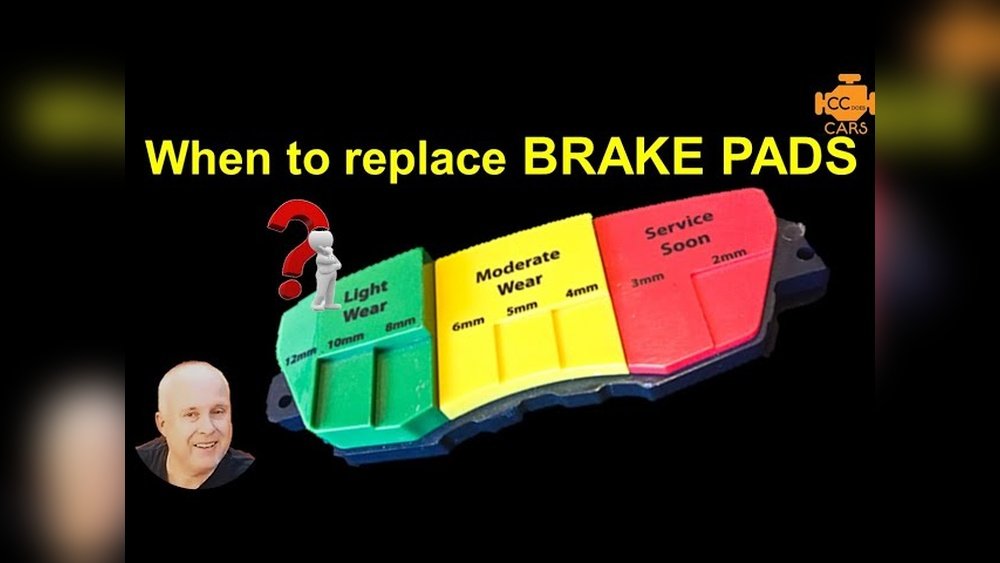
The standard thickness of a new brake pad is usually between 8 to 12 millimeters. This size allows the brake pads to last longer and work efficiently. Over time, brake pads wear down and get thinner. When pads become less than 3 millimeters thick, they should be replaced to keep safe braking.
Thickness can vary by vehicle type and brake pad material. Always check the manufacturer’s guide for exact numbers. Regular inspections help catch wear early. Thin pads can cause longer stopping distances and damage to brake rotors.
Signs Brake Pads Need Replacement
Safety risks grow as brake pads wear thin. Worn pads reduce stopping power, increasing accident chances. Driving with bad brakes endangers everyone on the road.
Rotor damage happens if pads get too thin. Thin pads cause metal parts to rub against rotors. This leads to costly repairs because rotors are expensive to fix or replace.
Metal-on-metal contact creates harsh grinding noises and reduces braking. This contact can ruin brake parts quickly and cause dangerous driving conditions.
Warning noises like squealing or grinding sound when brakes need attention. These sounds show pads are wearing out and need checking or replacing soon.
How To Measure Brake Pad Thickness
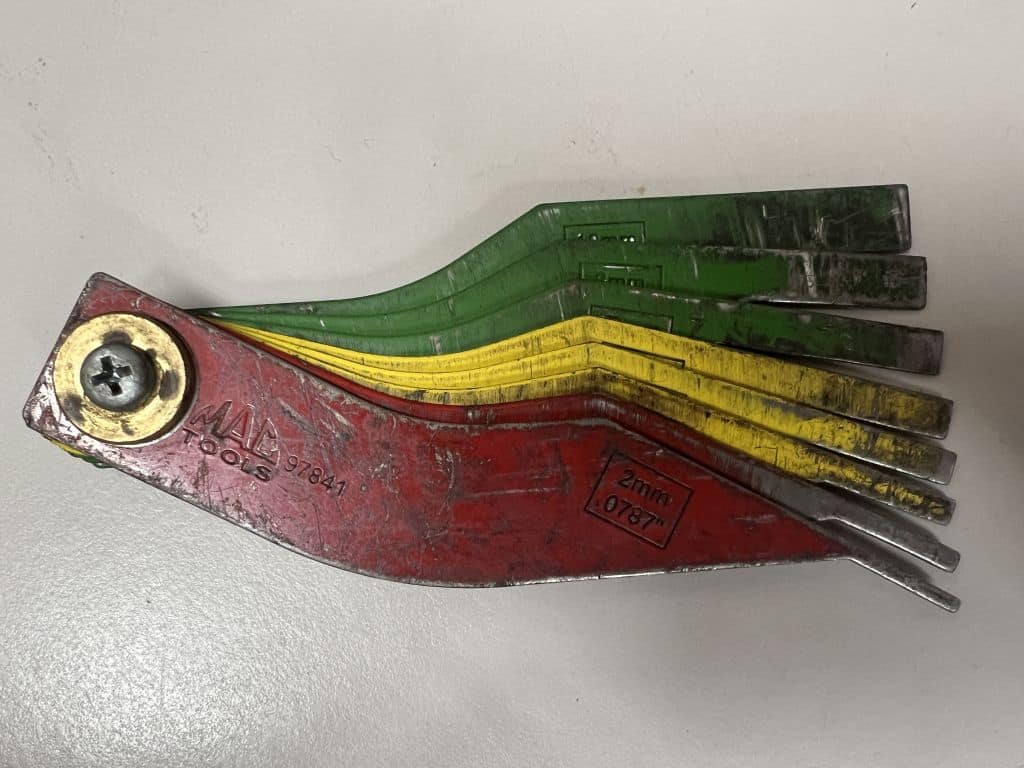
Check the thinnest area of the brake pad for accurate measurement. Use a ruler or a brake pad gauge to find the exact thickness in millimeters. Focus on the area where the pad contacts the rotor, as this spot wears the fastest.
Tools for measurement include a caliper, a brake pad gauge, or a simple ruler marked in millimeters. Calipers give the most precise readings, but a ruler can work if used carefully.
Inspect brake pads at least every 6,000 to 10,000 miles. Frequent checks help catch wear before it becomes dangerous. Also, listen for noises like squealing or grinding, which warn that pads need attention sooner.
Factors Influencing Brake Pad Wear
Driving style plays a big role in how fast brake pads wear out. Hard braking and fast stops cause the pads to wear quicker. Gentle driving helps them last longer.
Driving conditions also affect pad life. City driving with lots of stops wears pads faster than highway driving. Wet or dusty roads can increase wear too.
Vehicle weight matters. Heavier vehicles need stronger braking force, which wears pads down faster than lighter cars.
Pad material determines durability. Organic pads wear faster but are quieter. Semi-metallic pads last longer but can be noisier. Ceramic pads last the longest and create less dust.
Safe Thickness Limits
New brake pads usually measure around 10 to 12 mm thick. The minimum safe thickness before replacement is about 3 mm. Pads thinner than this can cause serious problems.
Driving on pads that are too thin can lead to metal-on-metal contact, which damages the rotors. Rotor damage is expensive and reduces braking power. Thin pads also increase stopping distance, making driving unsafe.
- Replace pads immediately if they reach 3 mm thickness.
- Never drive long distances with thin brake pads.
- Always replace brake pads in pairs for even braking.
- Have a mechanic inspect rotors for damage or wear.
Replacement Recommendations
Always replace brake pads in pairs to keep braking balanced. Installing new pads on only one side can cause uneven wear and reduce control.
Check the rotors carefully during pad replacement. Rotors can be worn or warped, affecting brake performance. A professional can measure rotor thickness and surface condition.
Schedule regular inspections with a mechanic. This helps catch problems early. Brake pads wear differently based on driving habits, so frequent checks keep you safe.
Extending Brake Pad Life
Driving smoothly helps extend brake pad life. Avoid sudden stops and hard braking. Slow down gradually to reduce wear. Smooth driving lowers stress on brake pads and rotors.
Regular maintenance is key. Check brake pads often for thickness and signs of damage. Listen for squealing or grinding sounds. These sounds mean pads may be too thin and need replacing.
Brake pads should be checked at least every oil change. Replacing them before they wear too thin saves money. Thin pads can cause rotor damage, which is costly to fix.

Credit: community.cartalk.com
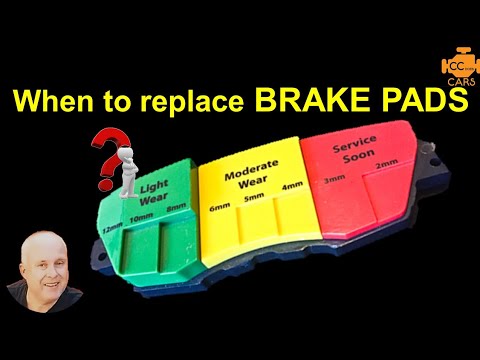
Credit: www.youtube.com
Frequently Asked Questions
How Long Will 1 Mm Of Brake Pad Last?
1 mm of brake pad thickness typically lasts only a few hundred miles. Driving habits and conditions heavily influence its lifespan. Replace pads immediately at this thickness to avoid rotor damage and unsafe braking. Regular inspections help ensure timely replacement and maintain brake performance.
Is 5 Mm On Brake Pads Ok?
5 mm on brake pads is borderline but generally safe. Plan to replace them soon to maintain optimal braking performance and safety.
How Long Will 4mm On Brake Pads Last?
Brake pads with 4mm thickness usually last 5,000 to 10,000 miles, depending on driving habits. Replace them soon to avoid rotor damage and reduced braking performance. Regular inspections help ensure safety and optimal brake function.
What Is The 30/30/30 Rule For Brakes?
The 30/30/30 rule for brakes advises heating brake pads for 30 seconds, resting for 30 seconds, then repeating 30 seconds. This process helps break in new pads evenly, reducing noise and improving performance.
Conclusion
New brake pads usually measure around 10 to 12 mm thick. As they wear down, braking performance drops and safety risks grow. Driving with thin pads can damage rotors, leading to higher repair costs. Watch for noises like squealing or grinding—they often signal wear.
Regular inspections help catch problems early and keep your vehicle safe. Replace brake pads in pairs to maintain balanced braking. Stay proactive to avoid costly repairs and ensure smooth stops every time.
When you purchase a product through Amazon links on carsolutionpro.com, we may earn a small commission at no extra cost to you. This helps support the site and keep our content free. As an Amazon Associate, we earn from qualifying purchases made through our links.