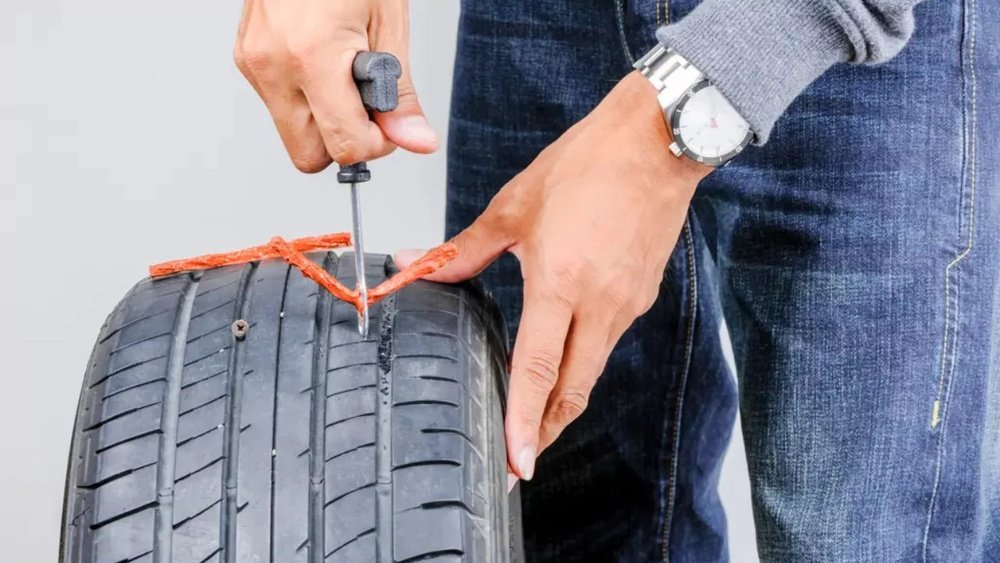
Got a flat tire and wondering how much it will cost to get it patched? You’re not alone.
Knowing the price of a tire patch can help you decide whether to fix it or replace the tire altogether. But it’s not just about the cost—understanding what affects the price and how long a patch lasts can save you money and keep you safe on the road.
You’ll discover the typical cost of tire patching, factors that influence the price, and tips to make sure your repair lasts. Keep reading to find out everything you need before you head to the shop.
Credit: gotire.com
Tire Patch Types
Internal patches are placed inside the tire. They cover the hole from the inner side. This type is very strong and can last a long time. It is the safest way to repair a tire.
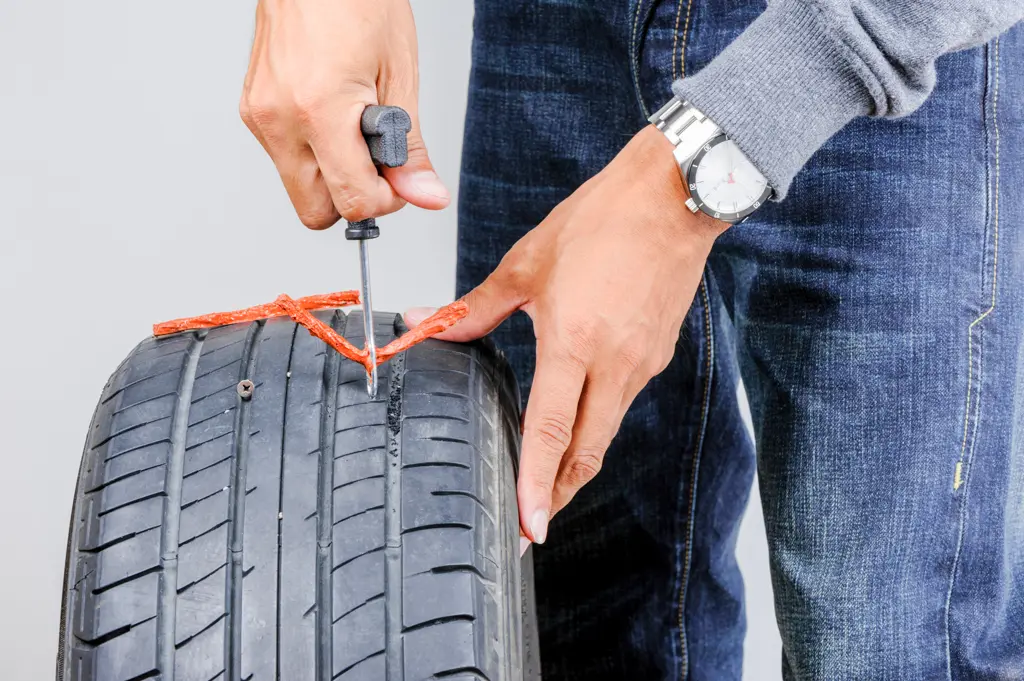
External plugs go into the hole from outside. They fill the puncture but do not cover it fully. This method is quick and cheap but less reliable. It works best for small holes on the tread area.
The plug-patch combination uses both methods. The plug fills the hole, and the patch seals it from inside. This gives a very secure repair. It is often used for bigger or tougher punctures.
Average Patch Costs
The price range for tire patching at shops usually falls between $10 and $30. Prices vary by location and tire type. Some shops may charge extra for large or specialty tires.
Walmart and other retail stores offer patching services too. Their prices often start around $15. Convenience and availability make them a popular choice for many drivers.
DIY repair kits cost between $5 and $15. These kits include patches, glue, and tools. Doing it yourself saves money but needs care and patience to do correctly.
Factors Affecting Cost
The size and location of the puncture greatly affect the cost. Small holes on the tread are easier and cheaper to fix. Sidewall damage usually means the tire must be replaced, not patched.
The tire condition matters too. Old or worn tires might not be safe to repair. Repair shops may refuse to patch tires that are too damaged or thin.
The repair method used also changes the price. Internal patch and plug combinations are more reliable and cost more. Simple external plugs are cheaper but less permanent.
Labor fees vary by location and shop. Some places charge a flat fee, others charge by the hour. Labor costs add to the total price of the repair.
Patch Longevity
A patched tire can last a long time if fixed well. The lifespan depends on many things. The type of patch matters a lot. An internal patch usually lasts longer than an external plug.
Where the tire is patched is important too. A patch on the tread is safer than one on the sidewall. Sidewall patches often need a new tire instead. Driving conditions affect patch life. High speeds and hot weather put more stress on patched tires.
Keeping a patched tire in good shape helps it last. Check the patch often for air leaks or damage. Avoid racing or fast driving on patched tires. Ask a mechanic if unsure about tire safety. Good care can make a patch last close to the tire’s full life.
Safety Considerations
Some punctures are unsafe to fix. Avoid repairs on tire sidewalls or large holes. Damage near the tire’s edge often means replacement is needed. A professional inspection helps decide if patching is safe. Experts check tire condition and puncture location carefully.
Trying to patch a tire yourself can be risky. DIY patching might not seal the hole properly. This can lead to slow leaks or blowouts. Using the right tools and materials is important, but professionals have the experience to do it right.

Credit: cartalk.pandahub.com
Patch Vs Plug
Patches usually last longer than plugs. A patch covers the inside of the tire, making it stronger. A plug only fills the hole from outside, so it may not hold as well.
Plugs are quicker and easier to install. Patches take more time and skill. If you need a fast fix, plugs work better. For a lasting repair, patches are best.
| Factor | Patch | Plug |
|---|---|---|
| Durability | Long-lasting, often permanent | Temporary, may fail sooner |
| Convenience | Needs tire removal and skill | Quick, done without removing tire |
| Best Use | For punctures inside the tread | Good for emergency or small holes |
Replacing Vs Repairing
Repairing a tire usually costs less than replacing it. A patch can be done for about $10 to $30. Replacement tires often cost $50 to $200 or more, depending on the tire type.
Replacement is needed when the tire has a large hole, sidewall damage, or is very old. Patches work best for small holes in the tread area only. Sidewall damage cannot be fixed safely.
Long-term savings come from repairing rather than replacing. A patch can extend tire life and save money. But a badly damaged tire may cause more problems and extra costs later.
| Factor | Repair | Replacement |
|---|---|---|
| Cost | Low ($10-$30) | High ($50-$200+) |
| When Needed | Small tread punctures | Large holes, sidewall damage |
| Durability | Good if done well | Long-lasting |
| Safety | Safe for small repairs | Best for major damage |

Credit: tiresizecompare.weebly.com
Frequently Asked Questions
How Much Does A Tire Patch Usually Cost?
A tire patch usually costs between $10 and $30. Prices vary by location and repair type. Professional service ensures safety and durability.
How Long Can You Drive On A Patched Tire?
A properly installed internal tire patch can last for years, often matching the tire’s lifespan. Check repairs regularly and avoid high-speed use.
Is Tire Patching Worth It?
Tire patching is worth it for tread punctures, offering a durable, cost-effective repair that can last years with proper installation.
How Much To Patch A Tire At Walmart?
Walmart charges around $10 to $20 for a tire patch. Prices vary by location and tire damage.
Conclusion
Getting a tire patched usually costs between $10 and $30. This price depends on the type of repair and where you get it done. Patching a tire can save money compared to buying a new one. Remember, not all punctures can be safely repaired.
Always check if the tire is in good condition before patching. Regularly inspect the patched tire for any air leaks or damage. A good patch can last a long time, but safety comes first. Visit a trusted mechanic to ensure the repair is done right.
When you purchase a product through Amazon links on carsolutionpro.com, we may earn a small commission at no extra cost to you. This helps support the site and keep our content free. As an Amazon Associate, we earn from qualifying purchases made through our links.