Is your car’s engine running hotter than usual? It might be time to check your radiator’s coolant level.
Filling your radiator with the right amount of coolant is a simple but crucial step to keep your engine cool and prevent costly damage. If you’ve ever wondered how to fill your radiator with coolant safely and effectively, you’re in the right place.
This guide will walk you through each step, using easy-to-follow instructions that anyone can master. By the end, you’ll know exactly how to keep your cooling system in top shape—so your car runs smoothly no matter the Texas heat or any long drive ahead. Ready to learn the simple trick that can save your engine? Let’s dive in!

Credit: natrad.com.au
Radiator Basics
The coolant is a special liquid that keeps the engine from getting too hot. It moves heat away from the engine and helps it work well.
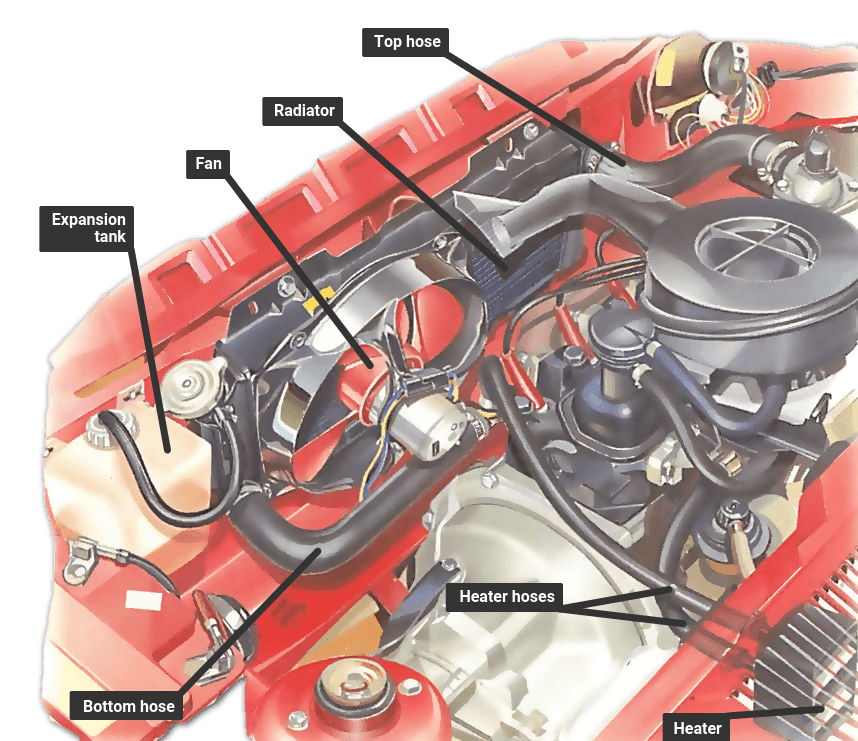
The radiator stores this coolant and cools it down before sending it back to the engine. The reservoir is a small tank connected to the radiator. It holds extra coolant for when the engine needs more.
The radiator and reservoir work together. When the engine heats up, coolant expands and flows into the reservoir. When the engine cools, the coolant returns to the radiator. This keeps the right amount of coolant in the system.
Credit: natrad.com.au
Preparing To Fill
Before starting, ensure the engine is completely cool. Opening a hot radiator cap can cause serious burns. Always wear protective gloves and eye protection for safety.
Gather necessary tools and materials: a funnel, the correct type of coolant, and a clean rag. Using the right coolant prevents engine damage.
Check the coolant level in the overflow reservoir or radiator. The reservoir has marks for FULL and LOW. Fill only when the engine is cold to get accurate readings.
Filling The Radiator
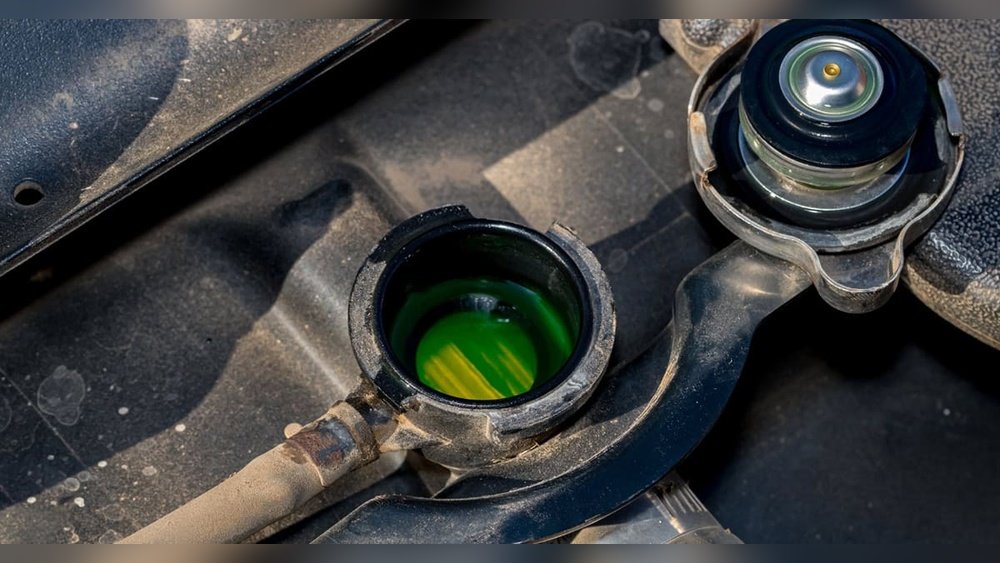
First, locate the radiator cap on the front of the engine bay. It usually looks like a round metal or plastic cover. Make sure the engine is cool before touching the cap. This is important to avoid burns from hot coolant or steam.
To release pressure safely, press down and turn the cap slowly. This lets out any built-up pressure. If you hear a hissing sound, wait until it stops before removing the cap completely.
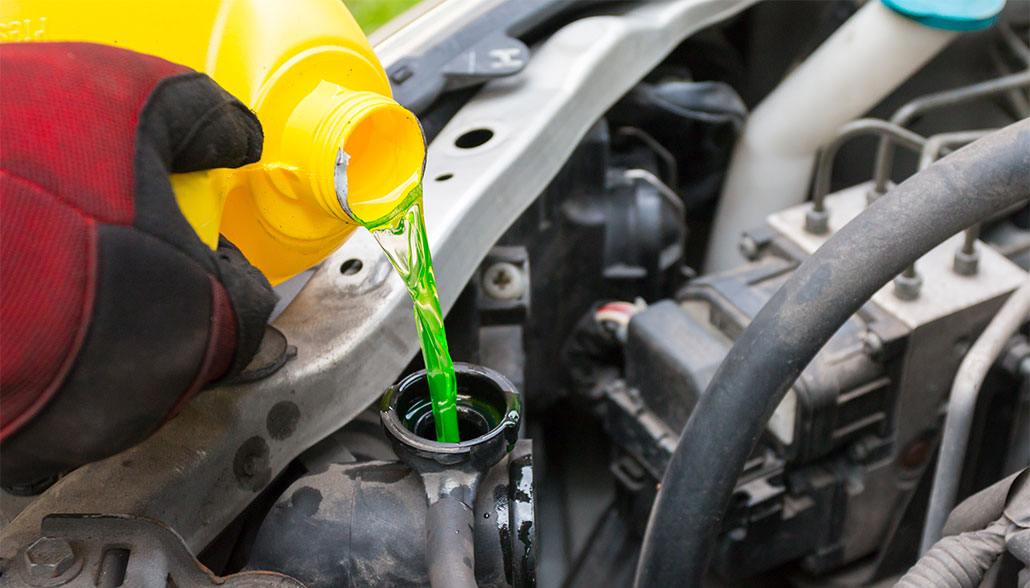
Pour the coolant gradually into the radiator or the overflow tank. Stop filling when the coolant reaches just below the filler neck or the “FULL” mark on the tank. Filling too fast or too much can cause spills or damage.
Using The Coolant Reservoir
Fill the coolant reservoir only when the engine is cold. Hot engines can cause the coolant to spurt out.
Look for markings on the reservoir labeled FULL, LOW, HOT, and COLD. Fill the coolant up to the COLD or FULL mark when the engine is cold.
Do not fill above the FULL line to avoid overflow. Check the level regularly to keep your engine safe.
Bleeding Air From The System
Air trapped in the cooling system can cause serious problems. It stops the coolant from flowing properly. This can lead to engine overheating and damage.
Removing air is important for efficient cooling. It also helps the heater work well inside the car.
| Method | How to Do It |
|---|---|
| Use Bleeder Valve | Open valve slightly to let air escape while filling coolant. |
| Radiator Cap Method | Fill radiator, then loosen cap slowly to release trapped air. |
| Engine Running | Run engine with heater on full, watch for bubbles in reservoir. |
| Manual Pump | Use pump to push coolant and remove air pockets. |
Post-fill Checks
After filling the radiator, inspect for leaks around the filler cap and hoses. Leaks can cause coolant loss and engine overheating. Look for any wet spots or drips near connections.
Keep a close eye on the coolant levels over time. Check the reservoir every few days to ensure the coolant stays at the right mark. Low levels might mean a leak or evaporation.
It is normal for coolant levels to drop slightly after refilling. Just top it up as needed.
Common Mistakes To Avoid
Overfilling the radiator can cause pressure build-up and leaks. Stop filling once the coolant reaches the correct level. Too much coolant may overflow when the engine heats up.
Using incorrect coolant types may damage the radiator or engine. Always check the car manual for the right coolant type. Mixing wrong coolants can cause clogs and corrosion.
Ignoring engine temperature is dangerous. Never open the radiator cap when the engine is hot. Hot coolant can spray out and cause burns. Wait for the engine to cool before adding coolant.
Credit: www.howacarworks.com
Maintenance Tips
Changing coolant regularly keeps the radiator working well. Old coolant loses its ability to cool the engine properly. Aim to replace coolant every 2 years or 30,000 miles. Use the right type of coolant for your car model. Check hoses often for cracks or leaks. Damaged hoses can cause coolant loss and engine overheating.
Make sure radiator caps fit tightly. A loose cap can let coolant escape and air enter the system. Inspect caps for damage and replace if needed. Tighten caps carefully to avoid damage. Keeping hoses and caps in good shape helps prevent engine problems and keeps the cooling system sealed.
Frequently Asked Questions
Can I Just Add Coolant To The Radiator?
Do not add coolant directly to the radiator unless the engine is cold. Always fill the coolant reservoir to the proper level first. This prevents pressure issues and ensures the cooling system functions correctly.
How Do You Properly Fill A Radiator?
Ensure the engine is cool before opening the radiator cap slowly. Pour a 50/50 coolant and water mix into the radiator until just below the filler neck. Fill the reservoir to the “FULL” or “COLD” mark. Secure the cap tightly after filling.
Do I Need To Burp My Radiator After Adding Coolant?
You only need to burp your radiator if you completely drained the coolant. Burping removes trapped air for proper circulation.
Does The Coolant Reservoir Fill The Radiator?
The coolant reservoir stores excess coolant. It refills the radiator as the engine cools and coolant contracts. This cycle maintains proper coolant levels automatically.
Conclusion
Filling your radiator with coolant keeps your engine safe from overheating. Always use the right coolant type and mix it correctly. Pour slowly to avoid air bubbles and fill to the proper level. Check for leaks before closing the cap tightly.
Regularly inspect your cooling system to catch problems early. Taking these simple steps helps your car run smoothly and lasts longer. Keep your engine cool, and drive with confidence.
When you purchase a product through Amazon links on carsolutionpro.com, we may earn a small commission at no extra cost to you. This helps support the site and keep our content free. As an Amazon Associate, we earn from qualifying purchases made through our links.