Ceramic leather coating is a flexible formula designed to block dye transfer, UV damage, and liquid stains on porous interior upholstery without hardening the material. In contrast, standard ceramic coating cures into a rigid, ultra-slick barrier built strictly for exterior paint and clear coats. Use ceramic leather coating on interior seating and exterior ceramic coating on body panels.
I have spent years detailing daily drivers and track builds, frequently testing both interior hide formulas and rigid exterior paint coats. Applying the wrong chemistry to the wrong surface can ruin fine upholstery or leave your clear coat vulnerable to rock chips and chemical etchings. In this guide, I break down the exact performance, application, and protective differences between both detailing solutions.
Ceramic Leather Coating vs Ceramic Coating: At a Glance
Ceramic Leather Coating
|
Ceramic Coating
|
|
|---|---|---|
| Target Surface | Automotive leather, vinyl upholstery, and synthetic interior hides. | Exterior automotive clear coat, painted panels, and hard trim. |
| Cured Flexibility | Highly flexible to move with pliable seating without cracking. | Rigid, crystalline layer engineered strictly for non-yielding surfaces. |
| Primary Protective Focus | Resists denim dye transfer, liquid spills, friction, and UV fading. | Shields against chemical etching, bird droppings, acid rain, and oxidation. |
| Surface Finish and Sheen | Maintains the original factory matte look without slickness or shine. | Significantly amplifies gloss, depth, reflectivity, and surface slickness. |
| Preparation Complexity | Requires thorough leather cleaning and degreasing before wipe-on application. | Demands intensive multi-stage decontamination and machine paint correction. |
| Typical Durability | Generally lasts 1 to 2 years under regular friction and seating wear. | Ranges from 2 to 5+ years depending on formulation and maintenance. |
| Breathability & Texture | Permeable formula that keeps leather soft, supple, and fully breathable. | Impermeable hard barrier that forms a glass-like shell on paint. |
Complete Comparison: Ceramic Leather Coating vs Ceramic Coating
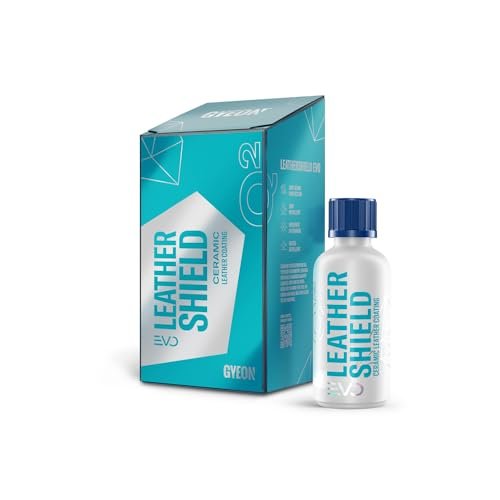
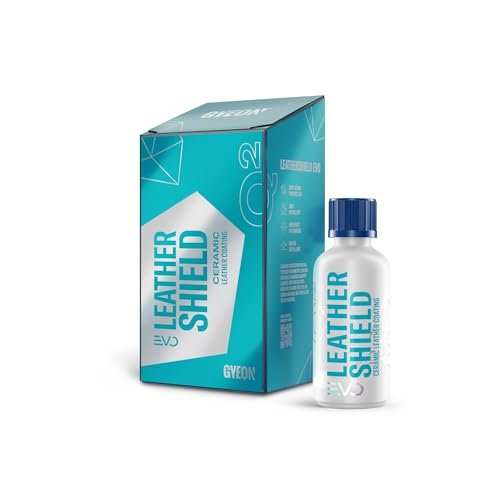
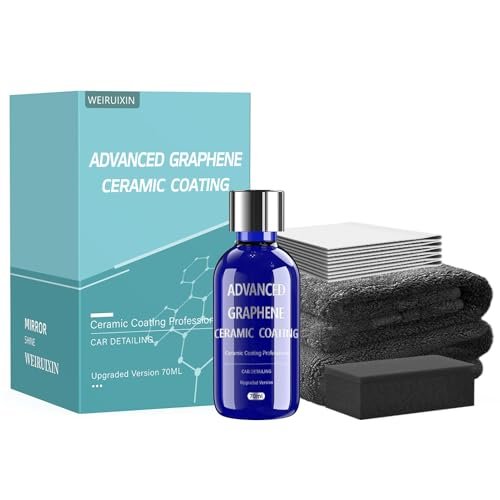
| GYEON Leather Shield Ceramic Leather Coating | Advanced Graphene Ceramic Coating for… | |
|---|---|---|
| Product Image | |
|
| Price | View On Amazon | View On Amazon |
| Category | Premium Interior Ceramic | Mid-Range Exterior Graphene |
| Target Surface | Automotive leather seats, upholstery, purses, shoes | Exterior automotive paint & bodywork |
| Coating Chemistry | Leather Shield EVO ceramic formula | 12H Graphene nanocrystal with fluorine polymer |
| Finish & Feel | Invisible OEM matte finish; preserves factory texture | High-gloss, slick reflective shine with waxing effect |
| Core Protective Capabilities | Prevents dye transfer, liquid staining, and UV fading | Anti-scratch 12H barrier, salt fog, bird droppings, rock chips |
| Bottle Volume | 50ml | 70ml |
| Application & Accessories | Single-layer wipe-on application (requires oil-free leather cleaner) | Full kit included (applicator, towel, microfiber cloths, gloves) |
| Best For | Preventing dye transfer and stains on light/white leather interiors | Extreme exterior weather protection and high-gloss paint hydrophobic beading |
| Amazon Link | View On Amazon | View On Amazon |
| Overall Winner | Winner | Runner-up |
GYEON Quartz Leather Shield Review
GYEON Leather Shield EVO is an advanced formula engineered specifically to bond with modern interior upholstery. In my shop, I use it on everything from delicate European Nappa hides to bright white Tesla seating. This ceramic leather coating repels liquids, blocks dye transfer from raw denim, and stops harmful UV rays from fading dyed surfaces. Because it contains no oils or gloss agents, it cures completely clear while maintaining the factory matte texture and softness of your seats. A single layer provides genuine peace of mind against everyday spills without leaving any greasy residue behind.
Key Features
- True matte finish preserves the factory look and soft touch of original upholstery
- Dye transfer resistance stops blue jean stains and color bleed on light-colored seats
- UV blocking formula shields automotive interior surfaces from sun fading and cracking
- Single-layer application simplifies the installation process for DIY detailers
- Versatile bonding adheres effectively to automotive upholstery, purses, and leather footwear
Pros
- Repels liquid spills and accidental coffee stains effortlessly
- Eliminates sticky, glossy residue common with silicone conditioners
- Works exceptionally well on high-risk white synthetic and genuine hides
- Straightforward wipe-on, wipe-off process requires minimal buffing effort
Cons
- Demands spotless, oil-free surface prep with a dedicated leather cleaner before application
- Cannot be used on open-pore suede, nubuck, or rough out leathers
Best For
Car owners with light-colored interiors, Tesla drivers, and anyone who wants long-term stain and dye protection without changing the original look or feel of their upholstery.
Expert Opinion: GYEON Leather Shield is my default recommendation for anyone buying a vehicle with light upholstery, because it stops denim dye transfer before it permanently discolors the hide.
Advanced Graphene Ceramic Coating Review
Advanced Graphene Ceramic Coating is an exterior clear coat treatment formulated to provide an impenetrable barrier over automotive paint. With a claimed 12H hardness rating, this formula uses a dense nanocrystal matrix blended with reduced graphene oxide to resist swirl marks, bird drop etchings, and road salt corrosion. Water beading on this surface is intensely active, creating a self-cleaning effect during heavy rainstorms. It deepens paint color significantly, giving dark colors a wet, mirror-like gloss that conventional paste carnauba waxes cannot replicate. Once cured, this hard shell protects your clear coat through years of harsh climate exposure.
Key Features
- 12H hardness shield creates a sacrificial barrier against light wash marring and road debris
- Graphene nanocrystal structure provides enhanced heat dissipation and water-spot resistance
- Super hydrophobic surface forces standing water, road grime, and mud to sheet right off
- Deep mirror shine enriches paint depth and gloss to a wet showroom standard
- Complete DIY kit includes applicator blocks, suede cloths, and protective gloves
Pros
- Generates extreme water contact angles that make routine washing fast
- Protects paint clear coats against corrosive bird droppings and bug splatter
- Lasts significantly longer than standard synthetic polymer paint sealants
- Adds noticeable color depth and slickness to dark paint finishes
Cons
- Application mistakes can cause stubborn high spots that require machine polishing to fix
- Needs a full seven days of dry curing away from rain and car wash soap
Best For
Detailers and vehicle owners who want maximum exterior gloss, intense water beading, and multi-year defense against environmental clear coat damage.
Expert Opinion: This coating delivers outstanding exterior gloss and sheeting, but you must prep the paint thoroughly with clay and polishing to avoid sealing in defects beneath the glass layer.
Ceramic Leather Coating vs Ceramic Coating: Key Differences That Matter
Understanding the functional divide between these two formulas keeps you from making costly detailing mistakes. While both share ceramic nanoparticle technology, their carrier solvents, cross-linking structures, and intended surfaces are entirely different.
Performance Comparison
Ceramic leather coating focuses purely on flexibility, chemical stain resistance, and UV mitigation. Interior hides expand, contract, and flex whenever you sit down. A leather coating forms a breathable micro-membrane that moves with the hide, shedding denim dyes, food oils, and coffee spills without flaking off.
Exterior ceramic coating creates a rigid, crystalline glass shell. Its main objective is surface tension reduction and physical hardness. It seals microscopic valleys in automotive clear coat, forcing water to form tight beads while deflecting light marring, bird drop acids, and industrial fallout. Applying an exterior coating on leather would choke the hide, dry out the fibers, and cause visible cracking as the rigid crystals snap under your body weight.
Price and Value Analysis
Exterior ceramic coatings cost more per milliliter because the raw materials require complex synthesized silanes, graphene platelets, and specialized volatile solvents. An exterior kit also requires compounding pads, polish, panel wipes, and extensive paint preparation tools, raising the total project cost.
Leather coatings carry a lower barrier to entry. A single 50ml bottle covers multiple vehicles or several coats on couches and shoes. The only prep gear needed is a high-grade interior cleaner and a soft microfiber brush. Considering the cost of fixing dye-stained white seats, leather coating yields massive value right out of the gate.
Build Quality and Formulation
The fundamental chemistry highlights why these products cannot be swapped. Leather formulas utilize flexible fluoropolymers and modified silicon dioxide polymers that cure soft. They do not alter the friction coefficient of the leather, meaning your seat will not feel like an icy slide when taking sharp corners.
Paint coatings cure via cross-linking into a dense silicon dioxide or graphene matrix. This creates a hard, brittle structure with immense chemical resistance across the pH scale. That structural rigidity gives your vehicle exterior its intense scratch resistance and glassy depth, yet it makes the product entirely unsuited for supple textiles.
User Experience Differences
Installing GYEON Leather Shield is quick and forgiving. You clean the seat, spread the liquid evenly across a panel, and wipe off any excess sweat after a couple of minutes. High spots are rare and wipe flat with minimal elbow grease.
Working with an exterior graphene ceramic coating requires precision, steady hands, and controlled lighting. You must wash, decontaminate, clay bar, compound, polish, and wipe down the vehicle with an alcohol solution. Missing a high spot during the flash stage leaves a rainbow streak that requires abrasive sandpaper or compounding to remove once cured.
Which Should You Choose?
Your choice comes down to which part of your vehicle you need to protect from daily damage.
| Choose Ceramic Leather Coating if… | Choose Exterior Ceramic Coating if… |
|---|---|
| Preserving clean white or light tan leather upholstery from jeans | Protecting exterior paint clear coats from scratches and bird dropping etchings |
| Stopping liquid spills and child messes from soaking into seat cushions | Maximizing exterior gloss and water beading on painted body panels |
| Blocking interior UV damage through tinted or untinted glass | Cutting down time spent scrubbing road grime during weekend car washes |
| Treating leather accessories like bags, shoes, and home sofas | Shielding exterior clear coats from sun oxidation and harsh winter salt |
Frequently Asked Questions
Q: Can I use an exterior ceramic coating on my leather car seats?
A: No, you should never apply exterior ceramic coating to leather upholstery. Exterior coatings cure into a rigid, brittle glass layer designed for hard clear coats. On flexible leather, that crystalline structure will dry out the hide, cause surface cracking, and create an uncomfortably slick seating surface.
Q: How does Ceramic Leather Coating vs Ceramic Coating compare in terms of durability?
A: A ceramic leather coating typically lasts one to two years depending on passenger friction and cleaning frequency. Exterior ceramic coating lasts between three to ten years because it cures significantly harder and faces different environmental stresses on your paintwork.
Q: Does a ceramic leather coating make car seats shiny and slippery?
A: Quality leather coatings do not add artificial gloss or reduce grip. Formulations like GYEON Leather Shield leave a completely matte, factory-original finish that feels natural to the touch rather than greasy or slick like cheap silicone dressings.
Q: In the debate of Ceramic Leather Coating vs Ceramic Coating, which is easier to apply at home?
A: Ceramic leather coating is much easier for beginners to apply at home. It requires basic interior cleaning, rubs into the seat evenly, and wipes away cleanly with low risk of streaks, while exterior paint coatings demand hours of paint correction and careful flash-time management.
Q: Will leather coating prevent blue jean dye from ruining white seats?
A: Yes, dye transfer resistance is the primary purpose of a ceramic leather coating. It forms a chemical barrier that stops dark indigo denim dyes from sinking deep into the pores of light-colored vinyl and leather.
Q: Do I need to reapply leather conditioner after using a leather coating?
A: You should avoid traditional oily conditioners once a ceramic leather coating is cured. Conditioners sit on top of the coating, attract dust, and leave a sticky residue because the sealed pores of the leather will no longer absorb external oils.
Q: How soon can I sit on seats treated with leather ceramic coating?
A: Most leather coatings need roughly six hours of cure time before light passenger use. For complete moisture resistance against spills, let the coating cure inside a dry garage for at least twenty-four hours.
When you purchase a product through Amazon links on carsolutionpro.com, we may earn a small commission at no extra cost to you. This helps support the site and keep our content free. As an Amazon Associate, we earn from qualifying purchases made through our links.