Have you ever felt your car pulling to one side or noticed your steering wheel isn’t straight when you’re driving on a flat road? These might seem like small annoyances, but they could be signs that your vehicle needs an alignment.
Ignoring these signals can lead to uneven tire wear, poor handling, and even unsafe driving conditions. You’ll learn exactly how to tell if you need an alignment and why catching it early can save you money and keep you safe on the road.
Keep reading to find out what to watch for and when it’s time to take action.
Signs Of Misalignment
Pulling to one side happens when the car drifts left or right. You must keep turning the wheel to go straight. This makes driving hard and tiring. Vibrating steering wheel means the wheel shakes, especially at higher speeds. This can be a sign of uneven tire wear or bad alignment.
Loose or sloppy steering feels like the wheel does not respond well. The car may wander or not turn quickly. This makes driving less safe. A crooked steering wheel means the wheel is not straight when the car goes straight. This is a clear sign the alignment is off.

Credit: sierracarcare.wordpress.com
Tire-related Indicators
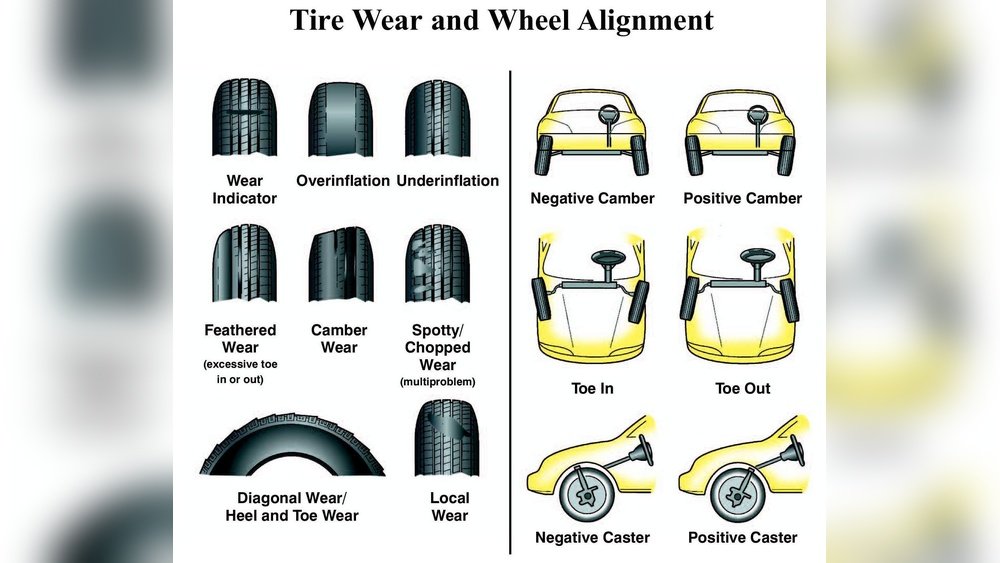
Uneven tire wear is a clear sign of poor alignment. Tires may wear more on one edge or patchy spots appear. This happens because the wheels are not straight and do not roll evenly on the road. Check your tires often for any unusual wear patterns.
Tire noise when turning can also mean alignment issues. A scraping or squealing sound may occur during turns. This noise happens when tires do not grip the road properly due to misalignment. It can also cause extra stress on tire edges.
Both of these signs can reduce tire life and make driving unsafe. Regular checks can help catch these problems early. Fixing alignment improves tire wear and driving comfort.
Driving Experience Changes
Constant steering corrections can tire the driver quickly. When the car pulls to one side, it forces you to keep adjusting the wheel. This means your hands stay busy just to go straight. Such steering issues show that the wheel alignment might be off.
Reduced vehicle responsiveness is another sign. The car may feel slow to react when you turn the wheel. This can make driving harder and less safe. You might notice the steering feels loose or vague. These feelings suggest the alignment needs checking soon.
Safety Risks Of Poor Alignment
Poor alignment causes serious safety risks. The car may pull to one side, making it hard to keep straight. Constantly correcting the steering gets tiring and dangerous. A vibrating steering wheel can make driving uncomfortable and reduce control. Loose steering feels sloppy or slow to respond, increasing accident risk. A crooked steering wheel when driving straight shows misalignment. Tires wear unevenly, reducing grip and increasing the chance of a blowout. Brake performance can also suffer, making it harder to stop quickly. Driving with poor alignment reduces your ability to handle the car safely. Regular checks help avoid these hazards and keep you safe on the road.
When To Get An Alignment Check
Hitting potholes or curbs can knock your wheels out of alignment. This causes uneven tire wear and makes your car pull to one side. After such impacts, an alignment check helps keep your ride safe and smooth.
Suspension repairs often change your vehicle’s geometry. Parts like shocks or struts affect wheel angles. Getting an alignment after these repairs ensures your car handles well and tires last longer.
During regular maintenance, checking alignment can prevent bigger problems. It helps spot small misalignments before they cause tire damage or steering issues. Regular alignment checks keep your vehicle driving straight and improve fuel efficiency.

Credit: sierracarcare.wordpress.com
Diy Tests For Alignment Issues
Check the steering wheel position while driving straight. It should be centered and not tilted. If the wheel leans to one side, an alignment may be needed.
Look closely at the tire edges. Uneven wear or bald spots on one side means the tires aren’t aligned. This can cause poor handling and faster tire damage.
| Road Test Sign | What to Notice |
|---|---|
| Pulling | Car drifts left or right without steering input |
| Steering Feel | Wheel vibrates, feels loose, or slow to respond |
| Noise | Tires may squeal, especially when turning |
These simple tests help spot alignment issues early. Fixing alignment keeps driving safe and tires lasting longer.
Professional Alignment Services
Professional alignment services start with a thorough inspection of your vehicle’s suspension and tires. Expect technicians to check the angles of your wheels and measure how they line up with each other and the road. This ensures your car drives straight and does not pull to one side.
During an alignment, the mechanic will adjust the camber, caster, and toe angles of your wheels. These adjustments improve tire wear, handling, and fuel efficiency.
| Type of Alignment | Description |
|---|---|
| Two-Wheel Alignment | Adjusts only the front wheels, common in front-wheel-drive cars. |
| Four-Wheel Alignment | Adjusts all wheels, best for vehicles with independent rear suspensions. |
| Thrust Alignment | Centers the rear axle and aligns the front wheels to it. |

Credit: markmartinsauto.com
Frequently Asked Questions
What Does A Misaligned Car Feel Like?
A misaligned car pulls to one side and has a crooked steering wheel. You may feel vibrations or loose steering. Tires might squeal, and uneven tire wear appears. Constantly correcting steering causes fatigue and unsafe driving.
How Much Does It Cost To Fix An Alignment?
Fixing an alignment typically costs between $50 and $150. Prices vary by vehicle type and shop location. Regular alignment prevents tire wear and improves handling.
How To Tell If You’re Out Of Alignment?
You may notice your car pulling to one side or a crooked steering wheel. Steering can feel loose or vibrate. Tires might squeal or wear unevenly. These signs indicate your vehicle likely needs an alignment to ensure safe, smooth driving.
How Do I Check My Alignment Myself?
Check alignment by observing if your car pulls to one side, steering wheel vibrates, or feels loose. Also, look for uneven tire wear and a crooked steering wheel while driving straight.
Conclusion
Pay attention to how your car drives every day. Pulling to one side or a crooked steering wheel signals an alignment issue. Steering wheel vibrations or unusual tire noises also matter. Uneven tire wear shortens tire life and affects safety.
Regular checks help avoid bigger problems and keep driving smooth. Address alignment needs early to protect your car and yourself. Stay alert and keep your vehicle in good shape for safer roads.
When you purchase a product through Amazon links on carsolutionpro.com, we may earn a small commission at no extra cost to you. This helps support the site and keep our content free. As an Amazon Associate, we earn from qualifying purchases made through our links.