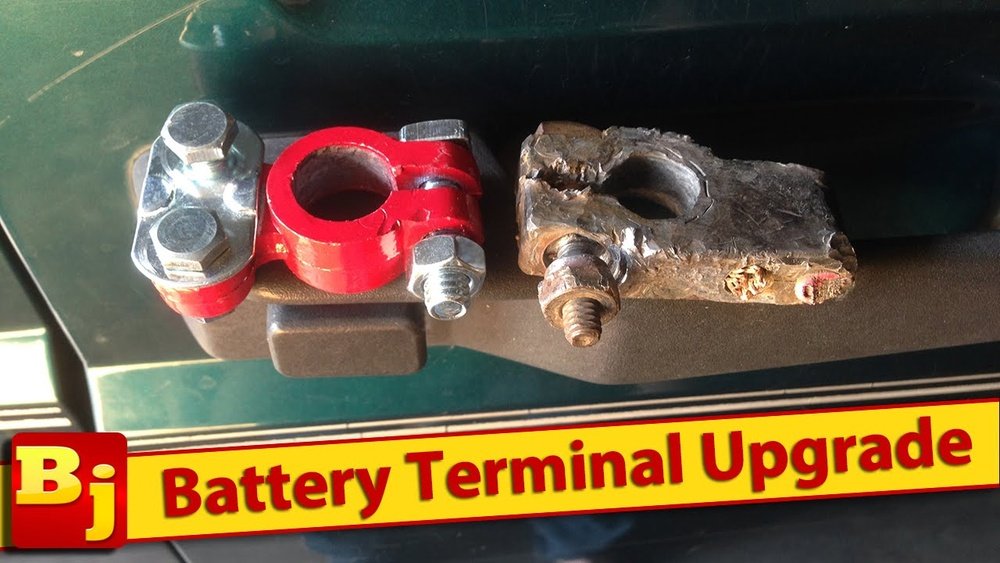
Is your car struggling to start, or have you noticed corrosion and loose connections around your battery terminals? If so, it might be time to replace your battery terminal clamps.
You don’t need to be a mechanic or spend a fortune to fix this common issue. With just a few simple tools and a little know-how, you can replace your battery terminal clamps quickly and safely. In this guide, you’ll learn step-by-step how to remove the old clamps, prepare your battery cables, and install new terminals that ensure a secure, long-lasting connection.
Keep reading to save time, avoid costly repairs, and get your vehicle back to peak performance today!
Credit: www.ifixit.com
Signs To Replace Clamps
Worn or cracked clamps can cause poor battery connection. Over time, clamps may develop visible cracks or become brittle. This makes them unsafe and unreliable. Loose connections are another sign. If clamps do not hold battery posts tightly, they can lead to starting issues. You might notice flickering lights or slow engine cranks.
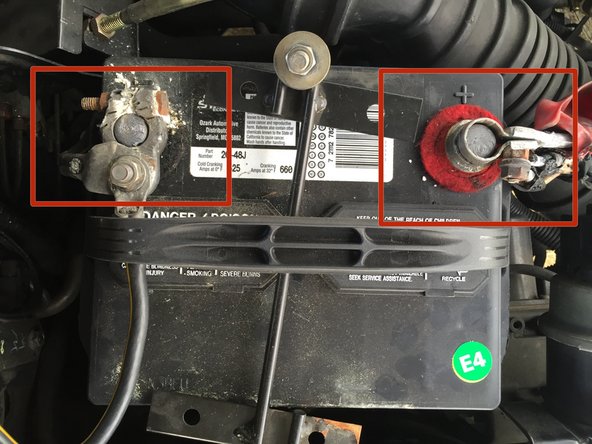
Corrosion and damage often appear as white or green powder on clamps. This build-up blocks electrical flow and weakens the clamp. Rust or broken parts also mean clamps need replacement. Regularly check clamps for these signs to keep your vehicle running well.
Tools Needed
Wrenches and pliers are essential for loosening and tightening bolts. Use a wrench to remove the battery terminal clamp bolts carefully. Pliers help grip and hold small parts during the process.
Wire strippers and cutters prepare the battery cables. Cut off the old terminals cleanly. Strip the wire insulation about half an inch to expose the bare wire for a good connection.
Crimping tools and heat guns secure the new terminal clamps. Crimping tools tightly press the clamp onto the wire for a strong hold. Use a heat gun to shrink heat shrink tubing, protecting the connection from moisture and corrosion.
Safety Measures
Always disconnect the negative terminal first. This step helps avoid sparks and short circuits. Touching the wrench to the car’s metal frame can cause a spark if the positive terminal is disconnected first.
Avoid short circuits. Keep metal tools away from both terminals at the same time. Do not let the terminals touch each other or any metal surface.
Wear protective gear. Use gloves to protect your hands from battery acid and dirt. Safety glasses keep your eyes safe from any debris or acid splashes. Always work in a well-ventilated area to avoid inhaling fumes.

Credit: www.youtube.com
Removing Old Clamps
Start by disconnecting the negative terminal first. This helps prevent sparks or shorts. Use a wrench to loosen the nut and gently remove the cable. Next, disconnect the positive terminal the same way.
Cut off the old clamps using wire cutters. Make sure to remove any damaged or corroded parts completely. Be careful not to damage the battery cable.
Clean the battery posts thoroughly. Use a wire brush or battery cleaner to remove dirt and corrosion. This ensures a good connection for the new clamps. Dry the posts before installing new terminals.
Preparing Battery Cables
First, strip the cable ends carefully using a wire stripper. Remove about half an inch of the outer insulation. Expose the clean metal wire inside.
Check the cable for any damage or corrosion. Look for broken strands or rust. If the cable looks weak, consider replacing it.
Use a wire brush to clean the exposed wire. This helps ensure a good connection with the new terminal clamp.
Trim any frayed wires to make the end neat and tight. A tidy cable end fits better into the clamp and holds firmly.
| Step | Action | Tip |
|---|---|---|
| 1 | Strip cable ends | Remove 0.5 inch insulation carefully |
| 2 | Inspect cable | Check for rust, breaks, or wear |
| 3 | Clean wire | Use wire brush for best contact |
Attaching New Clamps
Crimp-on clamps attach by squeezing the clamp onto the cable. Use a crimping tool to press tightly. Make sure the clamp is firmly fixed and the wire is not loose. This type is quick and does not need bolts.
Bolt-on clamps use a small bolt and nut to hold the clamp. Place the clamp on the cable end and tighten the bolt with a wrench. Check that the clamp does not move or spin.
Heat-shrink tubing helps protect the connection from water and dirt. Slide the tubing over the clamp and use a heat gun to shrink it. This creates a tight seal and adds durability.
Applying Corrosion Protection
Use dielectric grease to protect battery terminals from corrosion. This grease forms a water-resistant barrier that stops moisture and air from causing rust.
Apply a thin layer on the terminal clamp and the battery post before reconnecting. It helps keep the connection clean and extends battery life.
Terminal protectors, often made from felt or foam, are soaked in a corrosion inhibitor. Place these around the terminals after applying grease for extra protection.
| Item | Purpose |
|---|---|
| Dielectric Grease | Blocks moisture and air, prevents corrosion |
| Terminal Protectors | Soaked with inhibitor to stop rust |
Reconnecting Terminals
Always attach the positive terminal first. This step reduces the risk of sparks or short circuits. Make sure the terminal fits snugly on the battery post. Align it well before tightening.
Next, attach the negative terminal last. This order keeps the battery safe during reconnection. It also protects the car’s electrical system from damage.
After placing both terminals, tighten and secure connections firmly. Use a wrench to snug the clamps but avoid over-tightening. Loose clamps can cause poor contact and starting problems. Tight clamps ensure stable electrical flow and prevent corrosion buildup.
Final Checks
Ensure the battery terminal clamps fit tightly. Loose clamps can cause poor connections and starting problems. Use a wrench to tighten the clamps just enough to hold them firmly without crushing the battery post.
Check the clamps for corrosion or damage. Clean the battery posts and clamps with a wire brush if needed. This helps maintain a good electrical connection.
After fitting, test the electrical system. Turn on the headlights or radio to see if the power flows properly. If the lights are bright and steady, the clamps are working well.
Start the car engine to confirm the battery is delivering power. Listen for a strong engine crank. If the engine struggles, recheck the clamps.

Credit: www.reddit.com
Maintenance Tips
Regular cleaning of battery terminal clamps helps keep a strong connection. Dirt, grease, and corrosion can cause poor contact and start problems. Use a brush or cloth with a mix of baking soda and water to scrub the clamps gently. Rinse and dry them well before reconnecting. This simple step extends battery life and prevents voltage drops.
Monitoring clamp condition is key to safe battery use. Check clamps often for cracks, rust, or looseness. Replace clamps if they show wear or don’t fit tightly. Loose clamps can lead to electrical issues or battery failure. Tighten clamps with a wrench but do not over-tighten. Keeping clamps in good shape ensures reliable car starts and avoids unexpected breakdowns.
Frequently Asked Questions
Can You Replace Battery Clamps?
Yes, you can replace battery clamps easily. Disconnect the negative, then positive terminal. Remove old clamps, strip wires, attach new clamps, and reconnect terminals securely. Apply anti-corrosion protection for durability. This quick fix restores proper battery connection and ensures vehicle reliability.
How Do You Replace Battery Terminal Connectors?
Disconnect the negative terminal first, then the positive. Cut off old terminals and strip cable ends. Attach new terminals by crimping or tightening bolts. Reconnect positive terminal first, then negative. Apply anti-corrosion protection and ensure all connections are secure.
How To Fix A Loose Battery Terminal Clamp?
To fix a loose battery terminal clamp, first loosen the clamp bolt. Then, reposition the clamp firmly on the battery post. Tighten the bolt securely, ensuring no movement. Clean corrosion if present for better contact. Check the connection by gently wiggling the clamp to confirm it’s tight.
How Do You Remove Battery Terminal Clamp?
To remove a battery terminal clamp, first disconnect the negative terminal. Then loosen the clamp bolt with a wrench and lift the clamp off the battery post carefully. Avoid damaging the battery post or cable during removal.
Conclusion
Replacing a battery terminal clamp is simple and quick. Start by disconnecting the negative terminal to avoid sparks. Remove the old clamp carefully and strip the wire ends. Attach the new clamp securely with a crimp or bolt. Finish by reconnecting the positive terminal first, then the negative.
Don’t forget to apply anti-corrosion grease to protect the connection. Regularly check battery clamps for wear to keep your car reliable. With these easy steps, you can save time and money on repairs. Trust yourself to do it safely and correctly.
When you purchase a product through Amazon links on carsolutionpro.com, we may earn a small commission at no extra cost to you. This helps support the site and keep our content free. As an Amazon Associate, we earn from qualifying purchases made through our links.