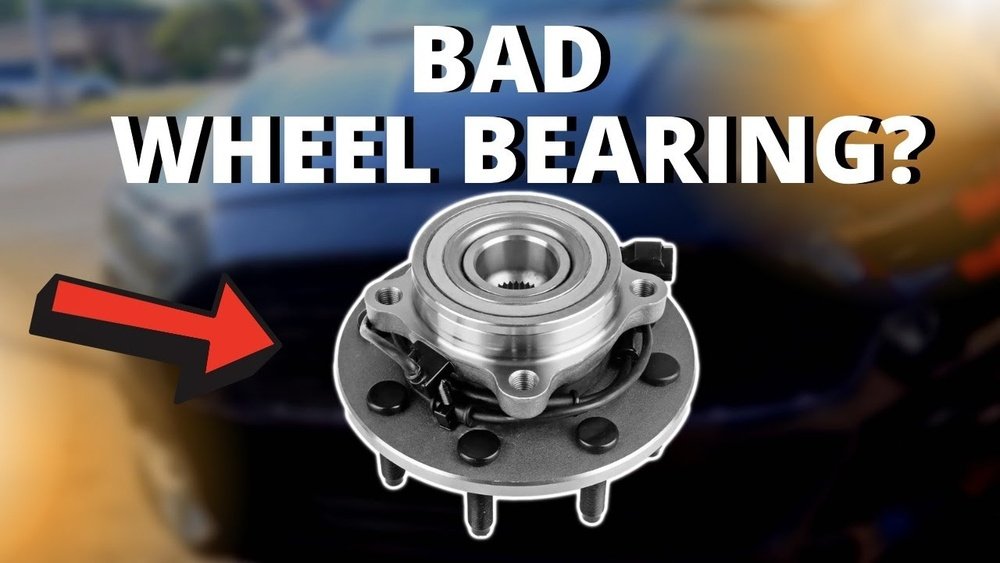
Have you ever noticed strange noises or vibrations coming from your car while driving? These could be signs that your wheel bearing is failing, and ignoring them can lead to serious safety issues.
Knowing how to spot a bad wheel bearing early can save you from costly repairs and keep you safe on the road. You’ll learn the clear warning signs to watch for, how to identify them, and what to do next.
Keep reading to protect your vehicle and your peace of mind.
Signs Of A Bad Wheel Bearing
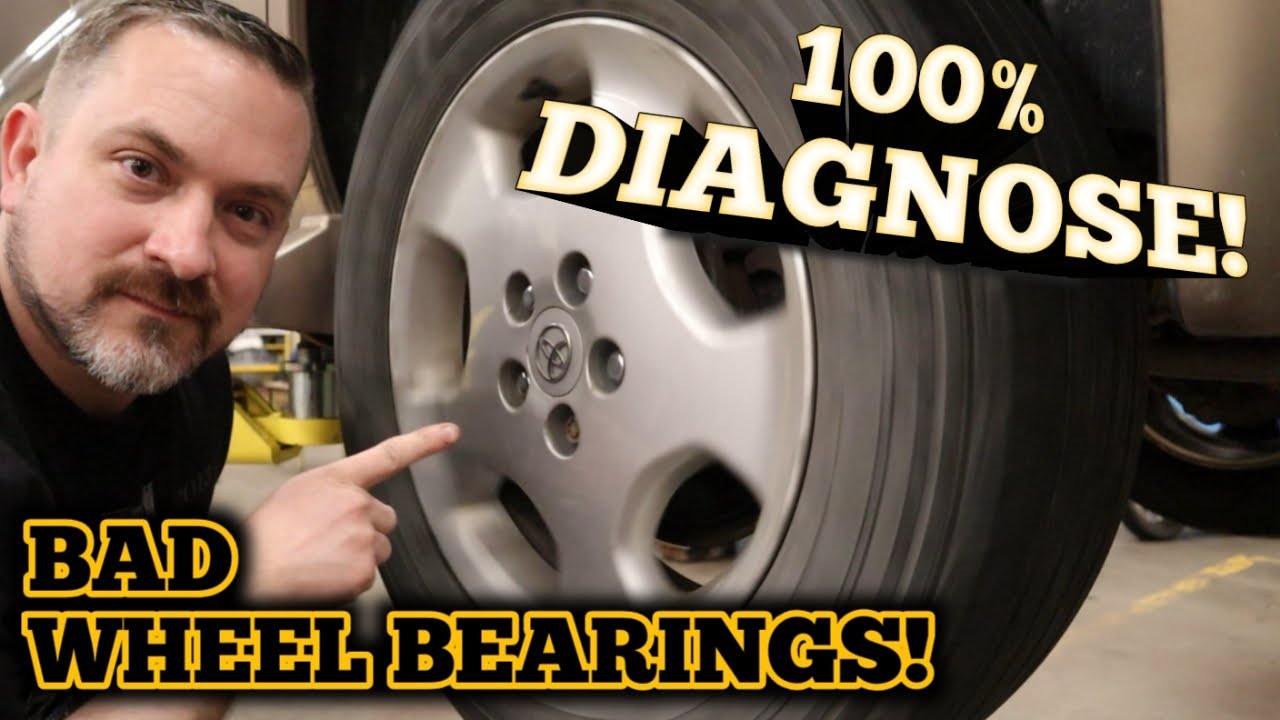
Grinding, humming, or clicking noises often get louder as the vehicle speeds up. These sounds can change when turning. A growling or rumbling noise might mean the bearing is worn out.
Vibrations in the steering wheel or the whole car are common. The shaking usually gets worse at higher speeds. This makes driving uncomfortable and unsafe.
Poor steering response or a feeling that the car pulls to one side can happen. This is a sign the wheel bearing might be causing problems with the wheel alignment.
Dashboard warning lights, like the ABS light, can turn on. This signals an issue with the wheel bearing or related sensors.
Other signs include uneven tire wear and a loose or wobbly wheel. These symptoms should not be ignored to keep driving safe.
Credit: www.youtube.com
Common Noises Explained
Humming and growling sounds often mean the wheel bearing is wearing out. These noises get louder as the car speeds up. It may sound like a low, steady drone or a rough rumble near the wheels.
Clicking and snapping during turns can signal a bad bearing. This happens because the bearing struggles to handle the pressure when the car changes direction. You might hear sharp clicks or snaps when steering sharply.
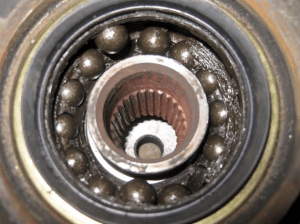
Grinding and squealing are signs of serious damage. These noises come from metal parts rubbing together without enough lubrication. The sound is often loud and sharp, especially when turning or slowing down.
Impact On Vehicle Handling
Steering wheel vibrations often signal a bad wheel bearing. These shakes may increase with speed, making driving uncomfortable and unsafe.
Pulling to one side is another sign. This happens because the bearing does not hold the wheel firmly, causing uneven movement.
A loose steering feel means the wheel does not respond well. This can make it hard to control the car, especially on turns or rough roads.
Credit: campusrepair.com
Dashboard Lights And Sensors
ABS light activation often signals issues with the wheel bearing. The ABS system relies on the wheel speed sensor to monitor wheel rotation. This sensor sends signals to the car’s computer to help control braking.
If the wheel bearing is bad, it can cause the sensor to send wrong signals. This results in the ABS light turning on on the dashboard. The light may flicker or stay solid, indicating a problem.
The wheel speed sensor plays a key role in safety. It detects wheel speed changes caused by a faulty bearing. This information helps prevent wheel lock-up during braking.
Ignoring an ABS light related to wheel bearings can lead to dangerous driving conditions. Getting the wheel bearing checked quickly is important for safe driving.
Physical Signs On The Vehicle
Uneven tire wear can signal a bad wheel bearing. Tires may wear more on one side due to improper wheel alignment caused by a faulty bearing. This wear pattern happens because the wheel does not spin smoothly, causing the tire to rub unevenly on the road.
Excessive heat from the wheel hub is another sign. A bad bearing creates friction, which makes the wheel hub hotter than usual. You might feel this heat by carefully touching near the wheel after driving a short distance. Hot hubs can lead to more damage if not checked.
Credit: repairpal.com
Risks Of Driving With A Bad Bearing
Driving with a bad wheel bearing is very dangerous. The wheel can detach from the car, causing a serious accident. This can happen suddenly and without warning. Losing a wheel means the car becomes unstable and hard to control. This increases the risk of crashing into other vehicles or objects.
Loss of vehicle control can happen at any speed. The car may pull to one side or shake violently. Steering may feel loose or unresponsive. This makes it difficult to keep the car on the road, especially during turns or in bad weather.
Taking safe driving precautions means checking wheel bearings regularly. Avoid driving if you hear grinding or humming noises from the wheels. Get the bearings inspected by a mechanic to prevent accidents. Safety depends on well-maintained parts, including wheel bearings.
How To Check The Wheel Bearing
Start by performing a visual inspection. Check for any damage, rust, or leakage around the wheel bearing area. Look closely for loose or missing parts.
Next, try the manual wheel movement test. Grab the tire at the top and bottom. Try to move it back and forth. Any play or looseness indicates a possible bad bearing. Also, spin the wheel by hand and listen for any grinding or unusual sounds.
Using professional tools like a mechanic’s stethoscope or dial indicator can help find subtle issues. A stethoscope can pick up internal bearing noise while a dial indicator checks for excessive play. These tools make diagnosis easier and more accurate.
When To Seek Professional Help
Seek professional help immediately if you notice loud grinding or humming noises from the wheels. These sounds usually mean the wheel bearing is badly worn. A shaking steering wheel that grows worse with speed is another urgent sign. Also, a vehicle pulling to one side or poor steering response needs quick attention. If the ABS light comes on, it might relate to wheel bearing issues.
Choosing a reliable mechanic is key to safe repairs. Look for one with good reviews and experience in wheel bearing repairs. A trustworthy mechanic will inspect the bearing carefully and explain the needed work clearly. Avoid delays to prevent further damage or unsafe driving.
Preventing Wheel Bearing Failure
Regular maintenance helps keep wheel bearings in good shape. Check bearings during oil changes or tire rotations. Clean and lubricate parts to avoid dirt buildup. Tighten any loose parts to prevent damage. Use quality grease for smooth operation. Driving on rough roads or hitting potholes can harm bearings quickly. Watching for early signs can save time and money.
Timely replacement is very important. Old or damaged bearings cause noise, vibration, and unsafe driving. Replace bearings as soon as signs appear to avoid more serious problems. A worn wheel bearing can lead to wheel lock or loss of control. Always follow your vehicle’s service schedule for bearing checks. Staying ahead keeps your ride safe and smooth.
Frequently Asked Questions
What Are The Symptoms Of A Bad Wheel Bearing?
Symptoms of a bad wheel bearing include grinding, humming, or clicking noises that increase with speed. You may feel vibrations or pulling to one side. Steering might feel loose, and the ABS warning light can illuminate. Uneven tire wear and wheel hub heat are also common signs.
Can You Drive With A Bad Wheel Bearing?
Driving with a bad wheel bearing is unsafe. It causes noise, vibrations, and poor handling. Repair or replace it immediately.
What Is One Of The First Signs Of Bearing Failure?
One of the first signs of bearing failure is a constant humming or grinding noise that grows louder with speed or turns.
Do Bearings Usually Give Warning Before They Fail?
Bearings often warn before failure through noises like grinding or humming. You may also feel vibrations or steering issues. Warning lights, such as the ABS light, can activate. Early detection helps prevent damage and ensures safety.
Conclusion
Bad wheel bearings show clear signs you can notice easily. Listen for unusual noises like grinding or humming. Feel for vibrations or pulling when driving. Watch for warning lights on your dashboard. Early detection helps avoid costly repairs and keeps you safe.
Regular checks protect your vehicle and your peace of mind. Stay alert and act quickly if symptoms appear. Don’t ignore these signs; your car depends on healthy wheel bearings.
When you purchase a product through Amazon links on carsolutionpro.com, we may earn a small commission at no extra cost to you. This helps support the site and keep our content free. As an Amazon Associate, we earn from qualifying purchases made through our links.