When it comes to your car’s safety, one question you should never ignore is: how thick should your brake pads be? Your brake pads play a crucial role in stopping your vehicle quickly and smoothly.
If they wear down too much, you risk longer stopping distances, strange noises, or even costly damage to your brake rotors. But how do you know when your brake pads are too thin and need replacing? You’ll discover the ideal brake pad thickness, the warning signs to watch for, and why timely replacement is essential to keep you and your passengers safe on the road.
Keep reading to make sure your brakes are always ready when you need them most.

Credit: www.bobbellkia.com
Brake Pad Thickness Basics
The standard thickness of new brake pads is usually between 8 to 12 millimeters. As brake pads wear down, this thickness decreases. Most mechanics consider 3 millimeters as the minimum safe thickness. Below this, brake pads cannot stop the car safely.
Driving with pads thinner than 3 millimeters risks damaging brake rotors. This can lead to costly repairs. The metal backing plate may touch the rotor, causing scratches and heat damage.
Regularly check brake pad thickness to ensure safety. If pads are near the minimum thickness, plan for replacement soon. This helps keep your brakes working well and avoids bigger problems.
Signs Of Worn Brake Pads
Squealing noises often mean brake pads are very thin. This sound comes from a small metal piece that rubs on the rotor to warn you. Grinding noises are worse. They happen when the brake pad is gone and metal hits metal, which can damage the rotor.
Cars with reduced braking performance take longer to stop. This is a serious safety risk. Feeling vibrations or pulsations when pressing the brake pedal can also mean the pads are worn or the rotors are damaged.
Brake warning lights on your dashboard often come on when the brake pads are too thin. Sensors detect the low thickness and alert you. Ignoring these signs can lead to costly repairs and unsafe driving.
Measuring Brake Pad Thickness
Tools needed include a brake pad gauge or a ruler with millimeter marks. A flashlight helps to see the pads clearly. Gloves protect your hands during inspection.
First, park the car on a flat surface and turn off the engine. Remove the wheel to access the brake pads. Shine the flashlight to check the pad thickness. Use the gauge or ruler to measure the thickness at the thickest part of the pad material.
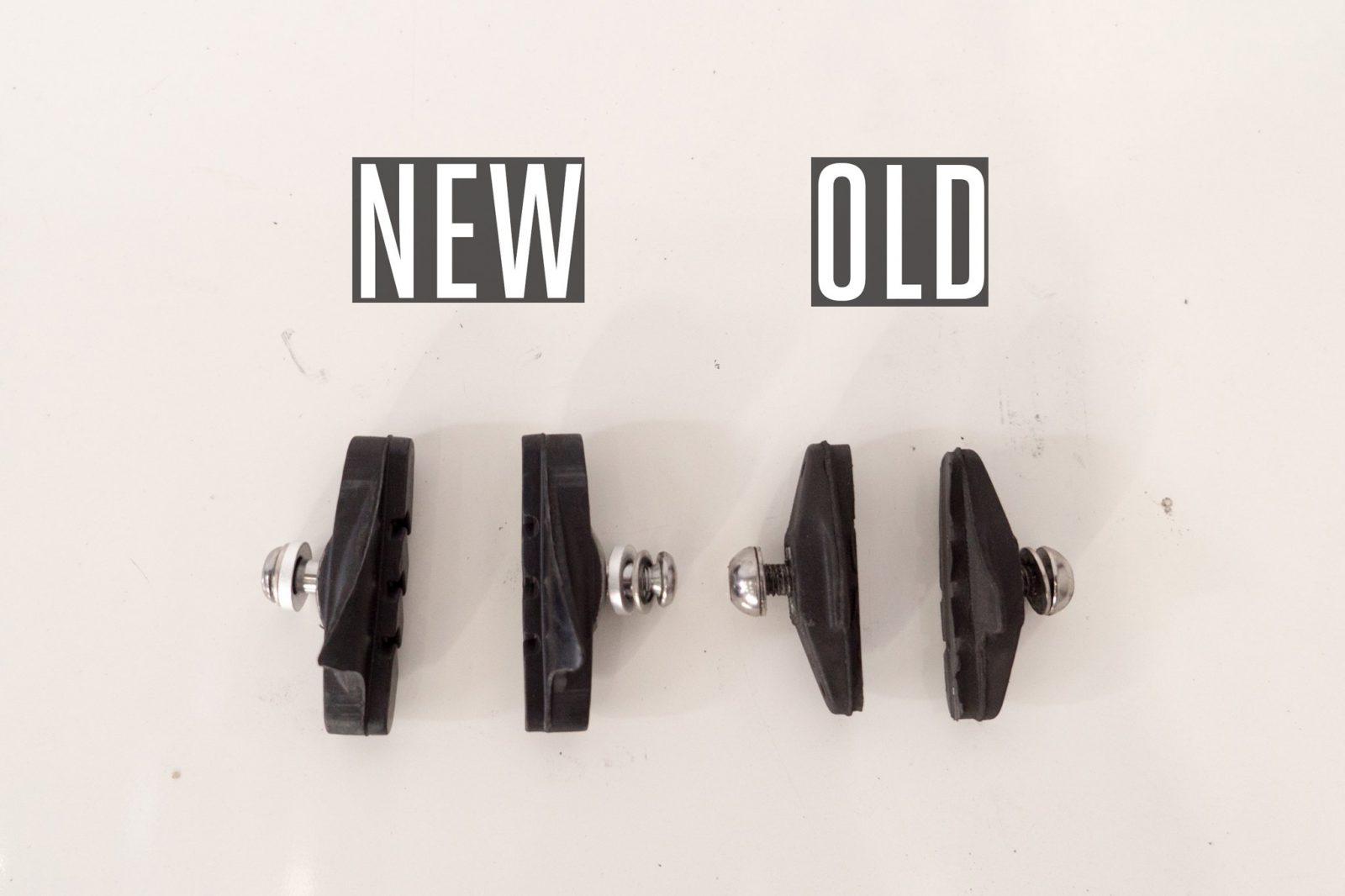
Brake pads usually start at about 12 mm thickness. When pads are below 3 mm, they need replacement. Pads thinner than this can reduce braking power and damage rotors. If the pad feels very thin or metal is visible, change the pads immediately.
Credit: carfromjapan.com
Risks Of Thin Brake Pads
Thin brake pads can cause serious rotor damage. The metal backing of the pads may rub against the rotor. This rubbing wears down the rotor surface, leading to expensive repairs or replacement. Rotors with deep grooves reduce braking efficiency and increase noise.
Safety is at risk with thin brake pads. Reduced braking power can lead to longer stopping distances. This puts drivers and others on the road in danger. Thin pads may also cause the brake system to overheat, lowering its effectiveness.
Costly repairs often follow neglecting brake pad wear. Damaged rotors and calipers need replacing. Repair bills can rise quickly. Regular checks and timely brake pad replacement help avoid these high costs.
When To Replace Brake Pads
Brake pads should be replaced when their thickness reaches 3 millimeters or less. Most new brake pads start around 10 to 12 millimeters thick. It is safest to schedule an inspection every 12,000 miles or once a year to check pad wear.
Look for warning signs like a squealing noise from the brakes, which means pads are thin. Grinding sounds mean the pads are worn down to metal and can damage rotors. Also, watch for a vibrating brake pedal or a brake warning light on the dashboard.
| Brake Pad Thickness | Action |
|---|---|
| 10-12 mm | New or good condition |
| 3-4 mm | Schedule replacement soon |
| Less than 3 mm | Replace immediately |
Maintaining Optimal Brake Performance
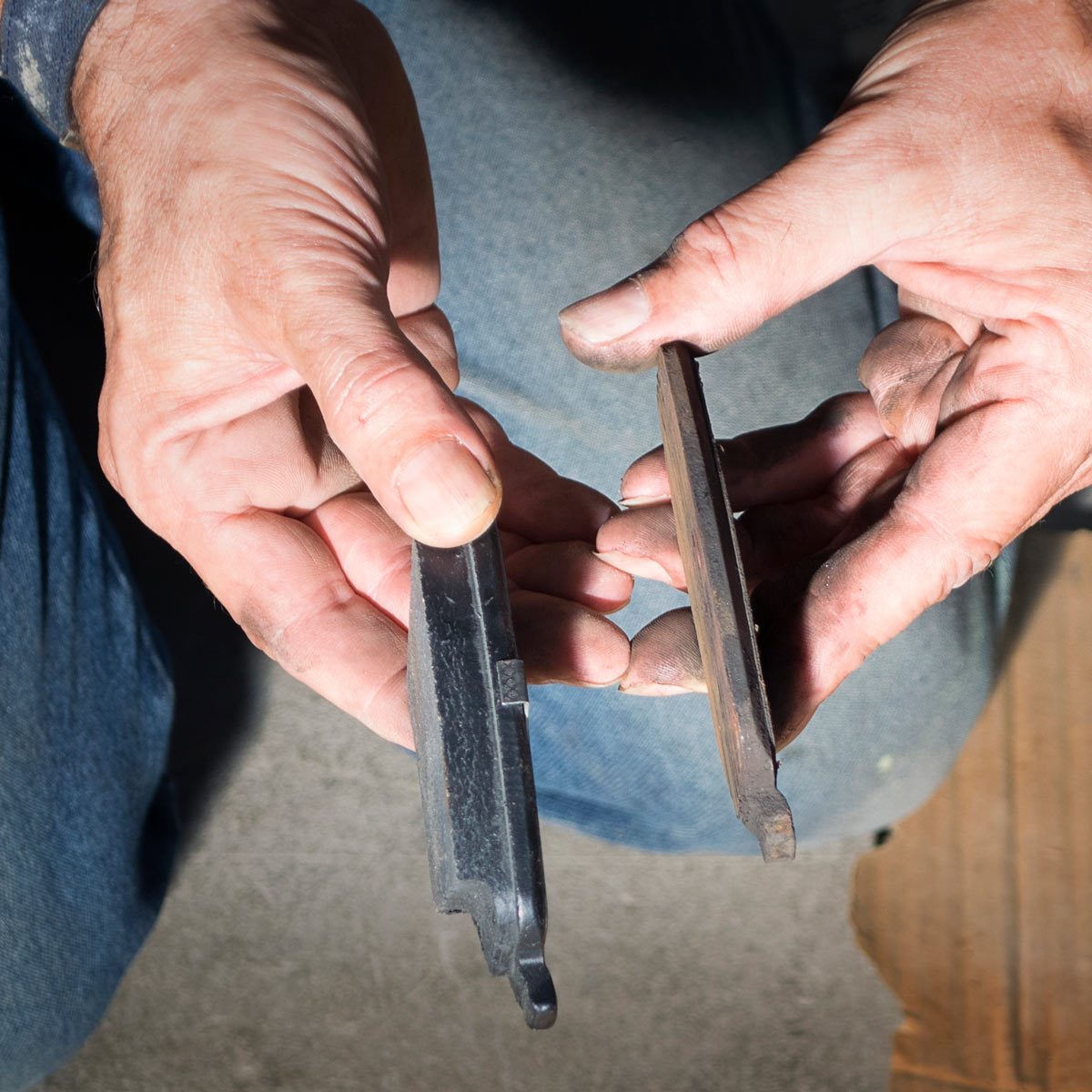
Regular inspections help keep brake pads safe and strong. Check the thickness often. Brake pads thinner than 3mm need to be replaced soon. Thin pads can cause poor braking and longer stopping distances.
Timely replacement is key. Do not wait until pads are too thin. Worn pads may cause grinding noises or a brake warning light. These signs mean it is time for new pads. Changing pads early can protect the rotors and save money.
Checking rotors is also important. Rotors should be smooth and not deeply scored. If rotors are damaged, they may need resurfacing or replacing. Good rotors help brake pads last longer and work better.
Credit: www.familyhandyman.com
Frequently Asked Questions
Is 4 Mm Ok For Brake Pads?
4 mm brake pads are worn and should be replaced soon for safe, effective braking. Driving with 4 mm increases risk of rotor damage and reduced stopping power. Regularly inspect and replace pads before reaching this thickness to maintain optimal brake performance.
At What Brake Pad Thickness Should They Be Replaced?
Replace brake pads when thickness reaches 3mm (1/8 inch) or less. Thin pads reduce braking efficiency and risk rotor damage. Inspect pads regularly to maintain safety and prevent costly repairs.
Is 3 Mm On Brake Pads Ok?
3 mm brake pad thickness is low and requires replacement soon. Worn pads reduce stopping power and risk rotor damage. Replace pads before reaching 3 mm to maintain safe braking performance.
Can I Drive With 2mm Brake Pads?
Driving with 2mm brake pads is unsafe. They offer reduced stopping power and risk rotor damage. Replace them promptly.
Conclusion
Brake pads should have enough thickness to ensure safe braking. Typically, new pads start around 10-12 mm thick. Replace them when thickness reaches about 3 mm or less. Thin brake pads reduce stopping power and risk damaging rotors. Always check for noises, vibrations, or warning lights.
Regular inspections help catch wear early. Don’t delay replacement to avoid costly repairs. Keeping brake pads in good condition protects you and others on the road. Stay safe by monitoring brake pad thickness regularly.
When you purchase a product through Amazon links on carsolutionpro.com, we may earn a small commission at no extra cost to you. This helps support the site and keep our content free. As an Amazon Associate, we earn from qualifying purchases made through our links.