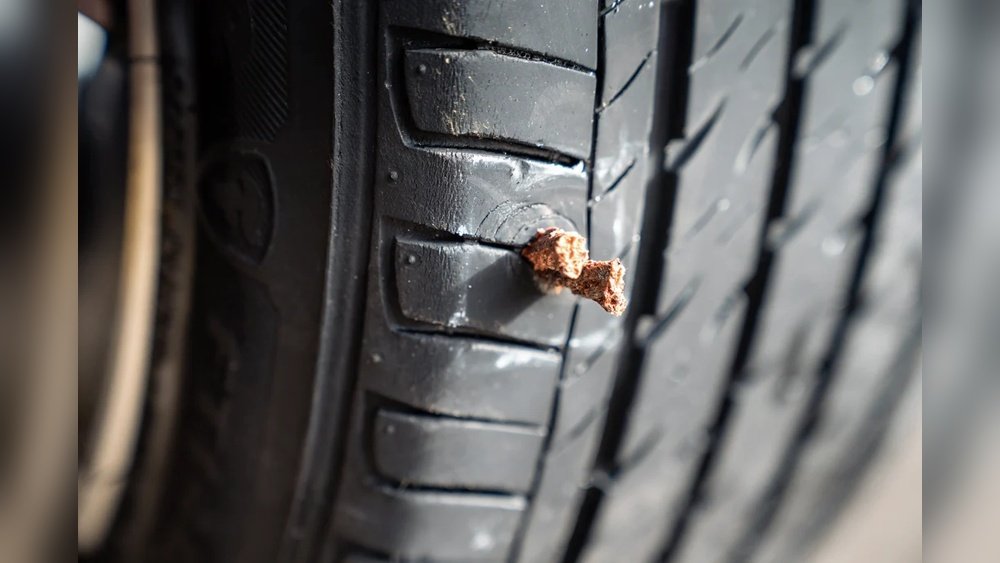
Have you ever wondered how long a tire plug really lasts after you fix that unexpected puncture? If you’ve found yourself stuck on the side of the road with a flat tire, you know how tempting it is to just plug it and keep going.
But is that quick fix reliable? Can you trust it to get you safely to your destination without risking more damage? Understanding the lifespan of a tire plug can save you from unexpected breakdowns and costly repairs. You’ll discover what affects how long a plug lasts, the difference between temporary and permanent repairs, and exactly when you should seek professional help.
Keep reading to make sure your tire repair keeps you safe and rolling smoothly.

Credit: www.carparts.com
Temporary Tire Plug Lifespan
A temporary tire plug can last from a few days to several weeks. Its lifespan depends on the quality of the plug and how well it was installed. Driving on rough roads or at high speeds can make the plug fail faster.
Good plugs and proper installation help the plug last longer. Old or damaged tires reduce the plug’s effectiveness. Small holes in the tread area are easier to fix than sidewall damage. Sidewall punctures cannot be repaired with a plug.
| Factor | Effect on Plug Lifespan |
|---|---|
| Quality of Plug | Better materials last longer |
| Installation | Proper installation increases lifespan |
| Driving Conditions | Rough terrain and high speed shorten life |
| Tire Condition | Old tires reduce plug effectiveness |
| Puncture Location | Tread area plugs last; sidewall plugs fail |
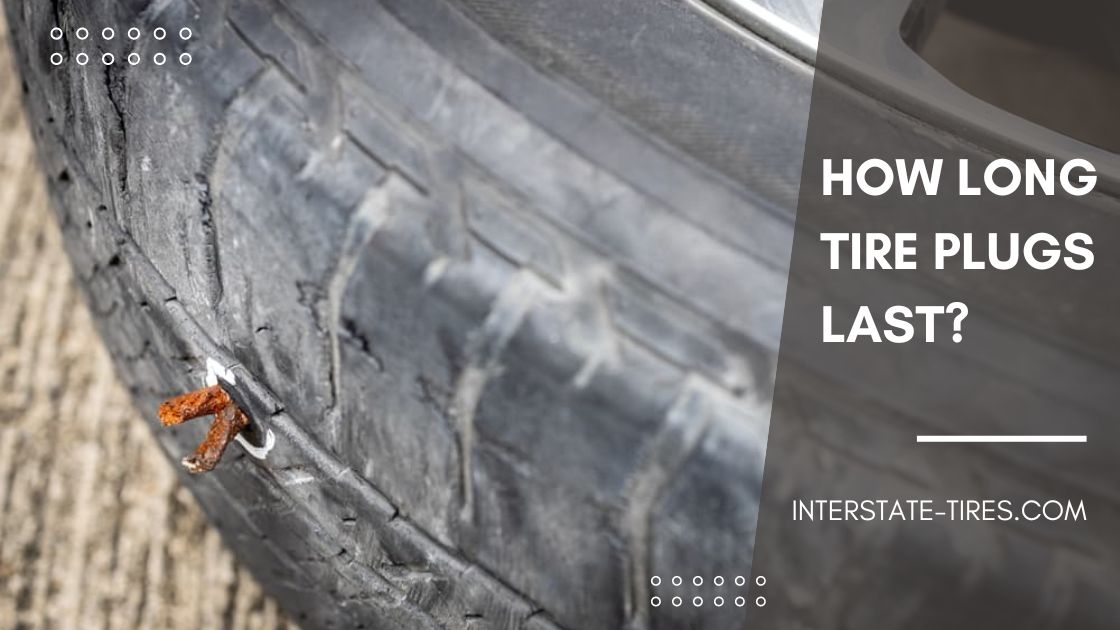
Credit: interstate-tires.com
Permanent Tire Repair Options
The patch and plug combination offers a strong, lasting repair. This method seals the tire from inside and outside, stopping air leaks effectively. It is considered a permanent fix when done by a professional. Such repairs work best if the damage is inside the tread area, not on the sidewall.
Professional repair benefits include better safety and longer tire life. Experts ensure the plug and patch fit well, avoiding future problems. They inspect the tire carefully to confirm the repair is safe for driving.
Some limitations exist based on where the tire is damaged. Plugs cannot fix cuts on the sidewall or large holes. If damage is too big or in the wrong spot, replacement may be needed. Always have a professional check your tire to decide the best option.
Factors Affecting Plug Durability
Tire age and condition greatly affect how long a plug lasts. Old or worn tires may not hold a plug well. Newer tires in good shape help plugs last longer.
Puncture size and location matter too. Small holes in the tread area are easier to plug. Large punctures or sidewall damage usually cannot be fixed by a plug. The plug works best on small, center tread punctures.
Driving speed and terrain impact plug durability. High speeds or rough roads stress the plug more. Driving slowly on smooth roads helps the plug last longer. Rough terrain or fast driving can cause the plug to fail sooner.
Safety Considerations
Using a tire plug for too long can cause serious risks. A plug is a temporary fix, not a permanent one. Driving with a plug for weeks or months may lead to air leaks or sudden tire failure. This can cause accidents or leave you stranded.
Replace a temporary plug as soon as possible. It is best to visit a tire shop for a professional repair. A patch from inside the tire is a safer, long-lasting solution.
| Signs of Plug Failure | What to Do |
|---|---|
| Frequent loss of tire pressure | Check tire pressure daily |
| Visible damage or movement of the plug | Stop driving and get a tire inspection |
| Vibration or wobbling while driving | Have a mechanic check your tire alignment |
Best Practices After Plugging
Have a professional inspect the tire soon after plugging it. Experts check if the plug is secure and the tire can get a permanent patch. This ensures your tire is safe to drive on for longer periods.
Drive carefully on plugged tires. Avoid high speeds and rough roads. Gentle driving helps the plug stay in place and prevents further damage.
Plan for a permanent repair quickly. Plugging is temporary, so fixing the tire from inside with a patch is best. This will make your tire last much longer and keep you safe on the road.

Credit: www.reddit.com
Plugging Vs Patching
Plugging a tire is quick and easy, good for small punctures in the tread. It is a temporary fix that can last from a few days up to several hundred miles. Best for emergencies to help you reach a repair shop safely. Plugging does not require removing the tire from the wheel.
Patching is a more durable repair. It involves removing the tire and fixing it from the inside. This method can last for many years and thousands of miles if done correctly. Patching is ideal for larger or deeper punctures in the tread area.
| Advantages | Plug | Patch |
|---|---|---|
| Speed of Repair | Fast, no tire removal | Slower, tire removal needed |
| Longevity | Short-term, days to weeks | Long-term, years or miles |
| Cost | Lower | Higher |
| Best Use | Small tread punctures | Larger or deeper tread damage |
- Choose a plug for quick, temporary fixes on small holes.
- Opt for a patch when you want a reliable, long-lasting repair.
- Patch if the puncture is too big or near the tire sidewall.
- Always get a professional check after plugging to ensure safety.
Frequently Asked Questions
How Long Can You Ride On A Tire Plug?
You can ride on a tire plug for a few days to several hundred miles. It’s a temporary fix. Have a professional inspect and patch the tire for a permanent repair as soon as possible. Driving conditions and plug quality affect its lifespan.
Is It Better To Plug Or Patch A Tire?
Patching a tire provides a more durable, permanent repair than plugging. Plugging is a temporary fix for small tread punctures only. Always have a professional inspect and patch the tire for long-term safety and performance.
Can A Tire Plug Cause A Blowout?
A tire plug can cause a blowout if improperly installed or used on sidewall damage. Proper installation reduces risk.
Is It Okay To Drive On A Plugged Tire?
Driving on a plugged tire is safe only temporarily. Have it professionally repaired soon for a permanent, reliable fix. Avoid high speeds and rough roads.
Conclusion
A tire plug can last from a few days to many miles. Quality and installation affect its durability. Driving carefully helps prevent early failure. Remember, plugs are temporary fixes, not permanent solutions. Have a professional check your tire soon. A proper patch inside the tire offers safer, longer repair.
Avoid driving fast or on rough roads with a plugged tire. Taking quick action protects your safety and tire life. Keep your vehicle ready for the road by staying cautious.
When you purchase a product through Amazon links on carsolutionpro.com, we may earn a small commission at no extra cost to you. This helps support the site and keep our content free. As an Amazon Associate, we earn from qualifying purchases made through our links.