Have you ever wondered just how hot your car’s muffler gets after a drive? It’s not something most drivers think about, but understanding the temperature of your muffler is crucial for your safety and your vehicle’s health.
Your muffler can reach temperatures that might surprise you—hot enough to cause burns or even start fires if you’re not careful. You’ll discover exactly how hot car mufflers can get, what factors influence their heat, and why knowing this can protect you and your car.
Keep reading to uncover the facts that every car owner should know.
Muffler Temperature Range
The typical operating temperature of car mufflers ranges between 400°F and 1200°F. At normal driving speeds, mufflers stay around 400°F to 800°F. This heat comes from exhaust gases exiting the engine.
Under high-performance conditions, such as racing or towing, temperatures can soar above 1200°F. These extreme heats help improve engine efficiency but can strain exhaust parts.
| Engine Type | Typical Muffler Temperature | Notes |
|---|---|---|
| Standard Gasoline Engine | 400°F – 800°F | Normal driving and city traffic |
| High-Performance Gasoline Engine | 800°F – 1200°F+ | Racing, heavy acceleration |
| Diesel Engine | 500°F – 1000°F | Varies with load and turbo boost |
Different engines create temperature variations based on fuel type and load. Diesels often run hotter at steady speeds. Gasoline engines spike heat during quick acceleration.
Factors Affecting Muffler Heat
Driving speed and load greatly affect muffler temperature. Higher speeds and heavy loads make the muffler hotter. Long drives at fast speeds heat the muffler more than short or slow trips.
Vehicle type and engine size also matter. Sports cars and motorcycles have hotter mufflers than regular cars. Bigger engines produce more heat that passes through the exhaust.
Exhaust system design plays a role. Some mufflers have better heat shields or insulation. This helps keep the outside cooler and protects nearby parts.
Engine health impacts heat too. A poorly running engine can cause the exhaust to get hotter than usual. Problems like misfires or clogged parts raise exhaust temperature.
Heat Risks From Mufflers
The surface of car mufflers can reach very high temperatures, often between 400°F to 1200°F. This heat can cause serious burn injuries if touched. Mufflers stay hot for several minutes after the engine stops.
Flammable materials like dry grass or leaves near the muffler risk catching fire. It is important to park on safe surfaces to avoid fire hazards.
Excessive heat from the muffler can also harm nearby parts such as tires, brake lines, and plastic components. This damage can lead to costly repairs or vehicle failure.
| Heat Risk | Details |
|---|---|
| Burn Hazards | Surface can cause serious burns. Avoid contact after driving. |
| Fire Risks | Hot mufflers can ignite dry grass or flammable objects nearby. |
| Heat Damage | High heat can damage tires, brake lines, and plastic parts. |
Heat Management Techniques
Thermal insulation helps keep muffler heat from spreading. Heat shields are thin metal plates placed near the muffler. They reflect heat away from parts that can melt or burn. Wraps made of special fiberglass or ceramic fibers cover the muffler. These wraps trap heat inside the muffler, lowering surface temperature.
Materials used for mufflers affect heat management. Stainless steel resists heat better than regular steel. Some mufflers use aluminized steel for extra heat protection and rust resistance. Choosing the right material can extend muffler life and improve safety.
Measuring Muffler Temperature
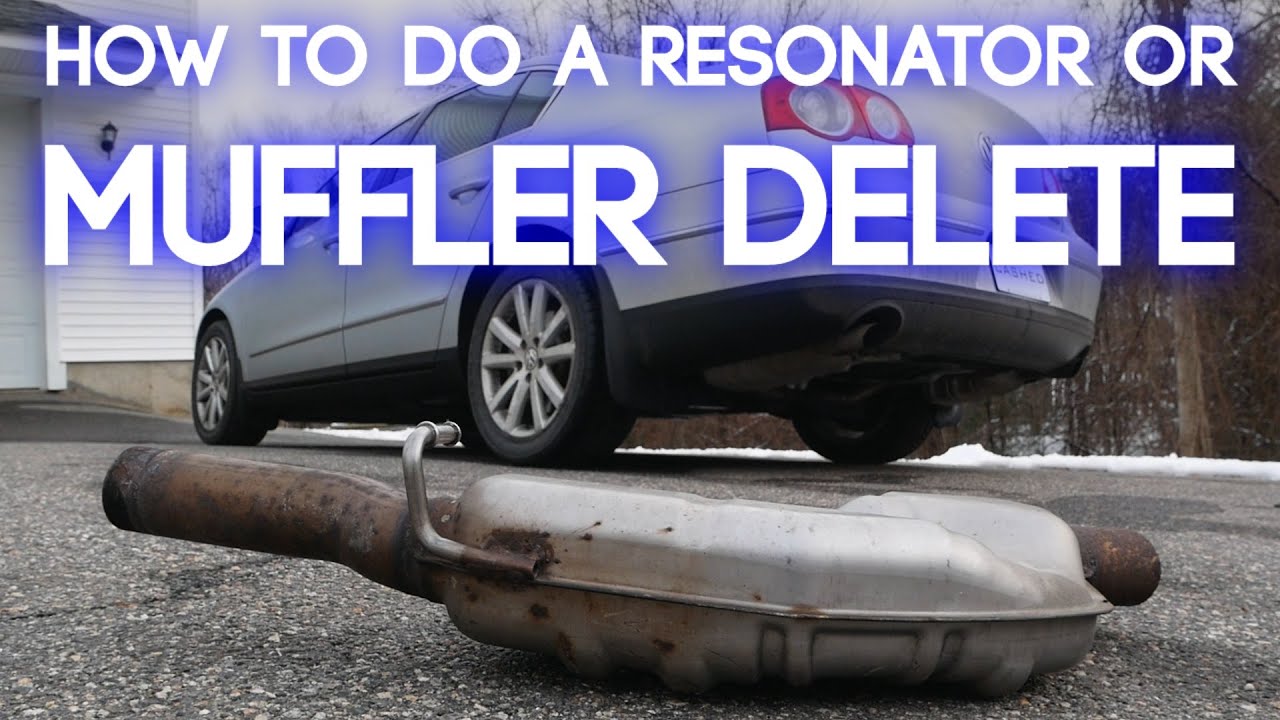
Measuring muffler temperature requires specific tools and careful methods. Common tools include infrared thermometers and thermocouples. Infrared thermometers can quickly read surface heat without touching the muffler. Thermocouples provide accurate data by attaching directly to the metal surface.
Testing temperatures changes with driving conditions. A muffler gets hotter during high-speed driving compared to idling or slow city driving. Weather also affects results; cold air cools the muffler faster, while hot air keeps it warmer longer. Testing under different conditions helps understand real-world temperatures.
Credit: www.youtube.com
Muffler Heat In Small Engines
Small engine mufflers get very hot during use. Temperatures vary based on engine size and load. A small engine muffler usually heats up less than car mufflers.
Car mufflers often reach 400 to 600 degrees Fahrenheit, while small engines may stay around 200 to 400 degrees. High-performance engines produce more heat.
Safety is very important. Mufflers can cause serious burns if touched. They can also start fires if near dry grass or flammable materials. Keep a safe distance from the muffler when the engine runs or just stops.
Preventing Muffler Overheating
Regular maintenance helps prevent muffler overheating. Check for rust or holes often. Clean the exhaust system to remove dirt and debris. Tighten loose parts to avoid extra heat buildup. Replace worn-out parts quickly to keep the system cool and working well.
Signs of excessive heat include discoloration, cracks, and a burnt smell. You may also notice a drop in car performance. Strange noises like rattling or popping can signal problems too. Watch for these signs to catch issues early.
Addressing engine malfunctions is key. Faulty spark plugs or clogged air filters can raise exhaust temperatures. Poor fuel mixture or engine timing may also cause the muffler to get too hot. Fix these problems to protect the muffler and engine.

Credit: www.theengineeringchoice.com
Credit: www.jdpower.com
Frequently Asked Questions
How Hot Do Exhaust Mufflers Get?
Exhaust mufflers can reach temperatures between 400°F and 1200°F (204°C to 649°C). High-performance or heavy use raises heat levels. Surfaces can cause burns or ignite flammable materials. Proper insulation protects surrounding parts. Always avoid direct contact with a hot muffler for safety.
How Hot Does A Muffler Get On A Small Engine?
A small engine muffler typically reaches 400°F to 1,200°F (200°C to 650°C) during operation. Temperature varies with engine load and duration. Always avoid contact to prevent burns or fire hazards.
How Hot Can Exhaust Temps Get?
Exhaust temperatures can reach 1,200°F to 1,500°F (650°C to 815°C) during normal operation. High-performance engines may exceed this, posing burn and fire risks.
Are Car Exhaust Fumes Hot?
Car exhaust fumes are hot, often reaching several hundred degrees Fahrenheit. This heat varies with engine load, speed, and vehicle type. Hot exhaust gases can cause burns and ignite flammable materials. Modern vehicles use insulation to manage this intense heat safely.
Conclusion
Car mufflers can get very hot, especially after long drives. Temperatures rise with engine speed and vehicle type. High-performance cars produce more heat than regular ones. Hot mufflers can cause burns and start fires if near flammable materials. Always keep a safe distance from the exhaust system.
Regular maintenance helps keep muffler temperatures in check. Understanding muffler heat helps protect you and your vehicle. Stay aware and drive safely to avoid heat-related risks.
When you purchase a product through Amazon links on carsolutionpro.com, we may earn a small commission at no extra cost to you. This helps support the site and keep our content free. As an Amazon Associate, we earn from qualifying purchases made through our links.