Your car AC is blowing warm air because of low refrigerant, leaks, or a failing part.
I fix car air problems for a living, and I know how annoying this is. If you wonder why is my car ac blowing warm air, you are in the right place. I will show you the real reasons, how to test them at home, when to call a pro, and what it may cost. Stick with me, and you will leave with clear steps and cold air confidence.

Common reasons your AC blows warm air
When drivers ask, why is my car ac blowing warm air, I start with the basics. Most issues fall into a few groups. Some are quick fixes. Others need a pro. Here is what I see most.
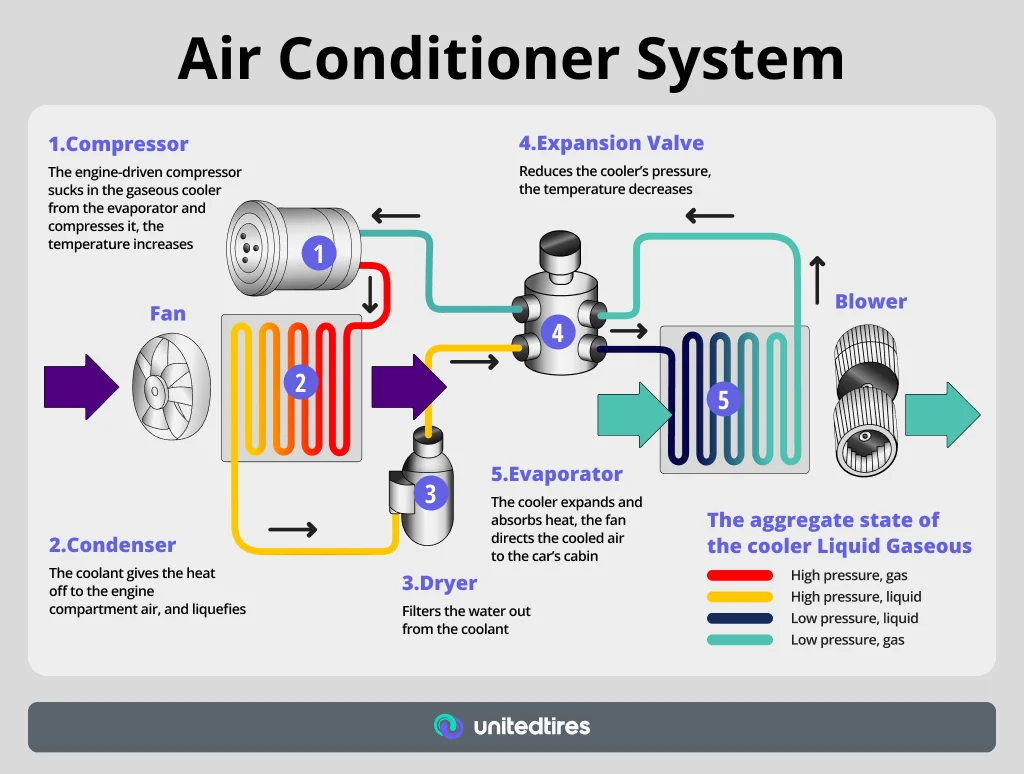
- Low refrigerant from a leak. The system needs the right amount of refrigerant. A slow leak is common. O-rings, hoses, service ports, or the condenser can seep over time.
- Compressor not engaging. The clutch may not click on. Causes include a bad clutch, a worn belt, low refrigerant, a bad relay, or a sensor fault.
- Electrical or sensor faults. A blown fuse, bad relay, failed pressure switch, or a bad ambient temp sensor can stop the system.
- Condenser problems. A bent or clogged condenser cannot dump heat. A bad cooling fan will do the same, so the air stays warm at idle or in traffic.
- Blend door stuck on hot. Inside the dash, a small door mixes hot and cold air. If the blend door actuator fails, you may get heat even with AC on.
- Clogged cabin air filter. If the filter is blocked, you get weak flow and air that feels warm or stale.
- Expansion valve or orifice tube issues. If these parts clog or stick, refrigerant flow is wrong. You get weak cooling or no cooling.
- Evaporator freeze or moisture issues. Too much moisture or a bad evaporator sensor can cause ice or poor cooling.
- Overcharge or wrong refrigerant. Too much refrigerant or mixing types hurts cooling and can damage parts. Most cars use R-134a or R-1234yf.
If you are still asking, why is my car ac blowing warm air, one or more of these is the cause most of the time. The good news is many can be checked at home with simple steps.
Quick checks you can do at home
Before you book a shop, try these fast checks. They are safe, simple, and often free.
- Listen for the click. With AC on max, watch the compressor pulley. The center plate should click and spin. No click can mean low refrigerant, a bad fuse, relay, or clutch.
- Check airflow. Is airflow weak? A clogged cabin filter may be the reason. Replace it if it looks dirty or full of leaves.
- Look at the condenser. Peek through the front grille. Remove bugs and debris with gentle water. Bent fins reduce cooling.
- Test at idle and at speed. If it cools while driving but not at idle, the condenser fan may be bad.
- Feel the lines. One line to the firewall should be cold, the other warm. If both feel warm, cooling is not working.
- Check fuses and relays. Use the fuse box map. Replace blown fuses with the same rating.
If a quick check points to the fan, filter, or a fuse, you may solve it in minutes. If not, keep reading. If you still wonder why is my car ac blowing warm air, deeper checks can help you find the fault.
Safety note: Do not open AC lines without pro tools. Refrigerant can harm you and the planet.

Step-by-step DIY diagnosis
You can learn a lot in 15 minutes with basic tools. This simple path helps find the cause of why is my car ac blowing warm air.
Step 1: Confirm the symptom
- Set AC to max cold, recirculate on, highest fan.
- Note vent temp, fan speed, and any odd smells or sounds.
Step 2: Check the compressor clutch
- With the engine on, AC on, watch the compressor center hub.
- If it never engages, check fuses and AC clutch relay.
- If it clicks on and off fast, refrigerant may be low or pressures are off.
Step 3: Verify condenser fan operation
- With AC on, the radiator or condenser fan should spin.
- If not, test the fan fuse, relay, and the fan motor.
- A dead fan often causes warm air at stoplights but cooler air at highway speed.
Step 4: Inspect the cabin air filter
- Remove and check the filter. If dirty, replace it.
- A clean filter helps airflow and lowers load on the system.
Step 5: Scan for codes if you have a scanner
- Some cars store AC-related codes.
- Look for codes tied to AC pressure sensors like P0530 to P0534.
- HVAC control modules can also hold body codes for blend doors and sensors.
Step 6: Check blend door and actuator
- Change the temp setting from cold to hot and back.
- Listen for faint motor sounds behind the dash.
- If the temp does not change or clicks a lot, the actuator may be bad.
Step 7: Look for leak signs
- Use a UV flashlight if you have one. Many systems have dye.
- Check hose joints, service ports, condenser edges, and the compressor.
- Oily or green stains can point to a leak.
Step 8: Avoid guess-filled recharges
- If the system is low, a top-up may cool for a short time.
- But without leak repair, it will fade again. Overfilling can make it worse.
These steps will answer most cases of why is my car ac blowing warm air. If you hit a wall, do not worry. The next section shows when to call a pro and what to expect.
When to see a mechanic and what it might cost
Some AC tasks need special tools, recovery machines, and gauges. If you ask why is my car ac blowing warm air and the fix is not obvious, plan a visit. Here is a clear idea of costs I see often. Prices vary by vehicle and city.
- AC performance test and leak check. 80 to 150 dollars.
- Evacuation, vacuum, and recharge with R-134a. 120 to 250 dollars.
- Evacuation, vacuum, and recharge with R-1234yf. 180 to 400 dollars.
- Service port caps and O-rings. 5 to 25 dollars.
- Compressor replacement. 700 to 1,500 dollars.
- Condenser replacement. 350 to 900 dollars.
- Condenser or radiator fan motor. 200 to 600 dollars.
- Blend door actuator. 150 to 400 dollars.
- Evaporator core replacement. 900 to 1,800 dollars.
- AC pressure sensor. 120 to 300 dollars.
- Drive belt and tensioner. 100 to 300 dollars.
If the shop finds a leak, ask for proof. A dye light photo or a pressure test report helps. Ask for new O-rings and a fresh vacuum and recharge after parts are replaced. This gives the best chance of cold, stable air.

Prevention: keep cold air flowing all summer
Prevent care is cheaper than a big AC repair. If you worry about why is my car ac blowing warm air, these habits will help stop it.
- Run the AC often. Run it 10 to 15 minutes each week, even in winter. This keeps seals oiled.
- Keep airflow clean. Replace the cabin air filter every 12 months or 12,000 to 15,000 miles.
- Wash the condenser. Rinse the front grille area a few times per year.
- Watch for odd smells or sounds. Early action can save the compressor.
- Do not overcharge. Use the right refrigerant and charge weight. The label under the hood shows the spec.
- Fix small leaks fast. A small O-ring can stop a slow leak before it kills the compressor.
These steps reduce the odds you will ask, again, why is my car ac blowing warm air in July.

Real-world stories and lessons learned
I once had a family van come in with a classic why is my car ac blowing warm air problem. The driver thought the compressor was dead. The fix was a 10-dollar fuse and a stuck condenser fan relay. Once the fan came back, the vents blew ice cold at idle.
Another case was a sedan that cooled on the highway but not in the city. The condenser was packed with cottonwood fluff. A careful rinse solved it. No parts needed.
I have also seen many slow leaks at service ports. New caps and core seals ended the loss. A correct vacuum and recharge brought vent temps down from 75 to 42 degrees in minutes.
The big lesson: start simple. Look, listen, and test. If you still wonder why is my car ac blowing warm air, a methodical check saves time and money.

Frequently Asked Questions of why is my car ac blowing warm air
Why is my car AC blowing warm air only at idle?
Your condenser fan may be weak or dead, so heat cannot leave at low speed. Low refrigerant can also cause poor cooling at idle.
Why does my AC blow warm, then cold, then warm again?
The system may be short cycling due to low refrigerant or a clogged expansion valve. A bad pressure sensor can also cause rapid cycling.
Can a clogged cabin air filter cause warm air?
Yes. A dirty filter limits flow and reduces cooling across the evaporator. Replace it yearly for steady, cold air.
Is it safe to use a DIY recharge can?
Use caution. Overfilling is common and can damage parts. A proper vacuum and measured charge by weight is far better.
Could the heater be stuck on?
Yes. A failed blend door actuator can mix in hot air. You will feel heat even when the AC is on max cold.
What refrigerant does my car use?
Most cars since the mid-1990s use R-134a. Newer cars often use R-1234yf; check the under-hood label.
Will a bad serpentine belt make my AC warm?
It can. If the belt slips, the compressor will not spin right. You may hear squeal on start-up.
Conclusion
You are not alone in asking why is my car ac blowing warm air. It usually comes down to low refrigerant, a bad fan, a stuck blend door, a faulty sensor, or a weak compressor. Start with simple checks, confirm the compressor clicks, inspect fuses and the fan, and keep the filter clean. When needed, get a proper vacuum, leak test, and measured recharge.
Take action today. Use the checklist, note what you find, and decide if it is a DIY fix or a shop visit. If this helped, share it, subscribe for more car care tips, or drop your own question in the comments.
When you purchase a product through Amazon links on carsolutionpro.com, we may earn a small commission at no extra cost to you. This helps support the site and keep our content free. As an Amazon Associate, we earn from qualifying purchases made through our links.