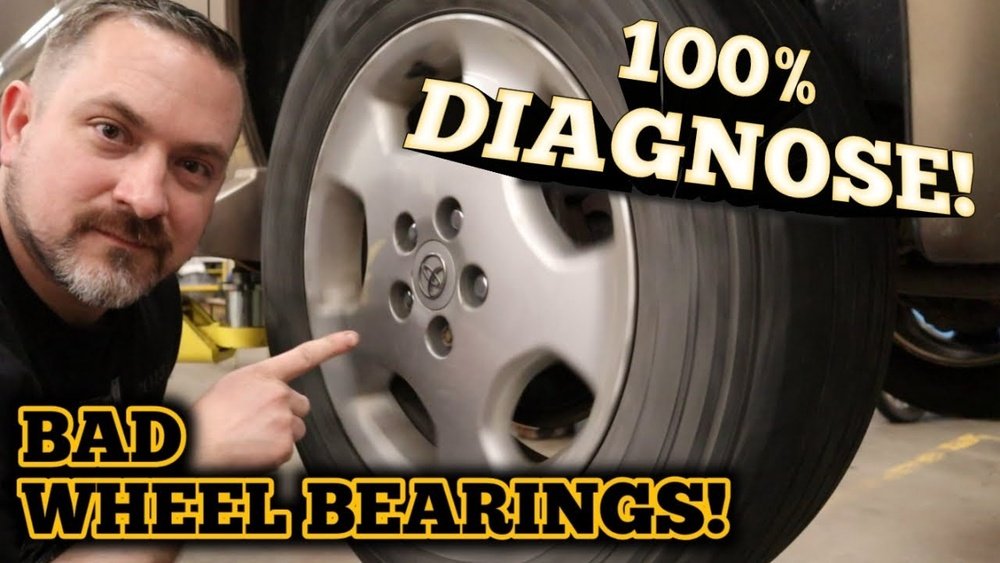
Is your car making strange noises or feeling shaky while you drive? These could be signs that your wheel bearings are failing.
Knowing how to test for a bad wheel bearing is crucial for your safety and can save you from costly repairs down the road. You’ll learn simple, step-by-step methods to check your wheel bearings—both by listening and by physically inspecting them.
By the end, you’ll be able to spot the warning signs early and take action before a small problem turns into a big one. Keep reading to protect your ride and drive with confidence!

Credit: www.wikihow.com
Signs While Driving
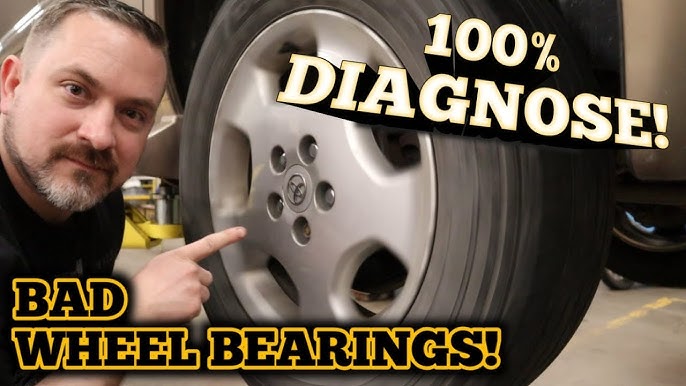
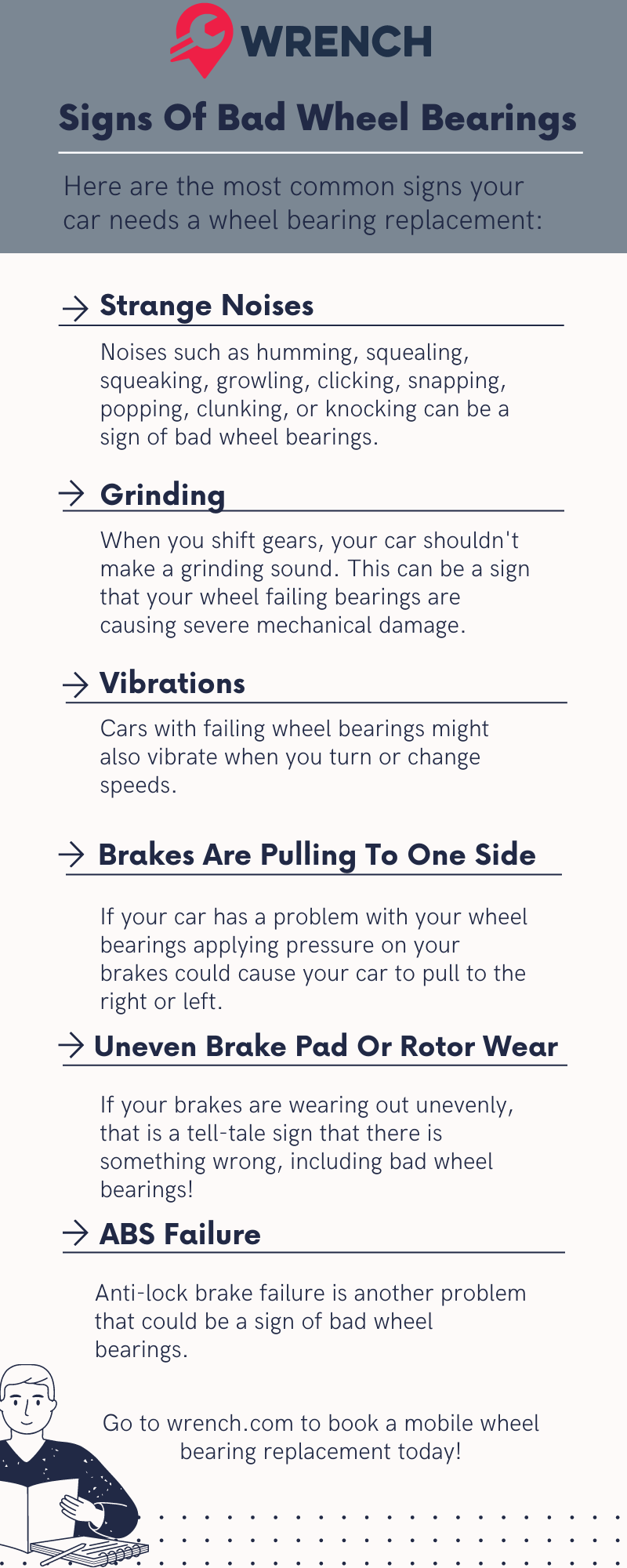
Unusual noises such as humming, growling, or grinding often mean trouble. These sounds get louder as speed increases. Turning the vehicle may change the noise, showing which wheel bearing is bad.
Steering wheel vibrations happen when a wheel bearing wears out. You might feel shaking in the steering wheel, especially at higher speeds.
Loose or wandering steering means the steering feels less tight. The car may not respond well to your movements. This happens because the bearing no longer holds the wheel firmly.
Vehicle pulling to one side while driving can signal a bad bearing. The car may drift left or right without steering input.
Uneven tire wear appears when a bad bearing causes the wheel to wobble. Tires wear faster on one side or in odd patterns.
ABS warning light might turn on if the wheel speed sensor is affected by a failing bearing. This alerts you to a possible problem.
Credit: www.youtube.com
Physical Checks
Start by lifting the vehicle safely using a jack and secure it with jack stands. Ensure the car is on a flat surface and the parking brake is on. Never rely on just the jack to hold the car up.
Next, check for wheel play by grabbing the tire at the 12 and 6 o’clock positions. Try to move the wheel back and forth. Any noticeable movement may mean the bearing is worn out.
Spin the wheel by hand and listen carefully for any unusual noises like grinding, humming, or rough sounds. A smooth, quiet spin means the bearing is likely good.
Road Test Techniques
Listen carefully for any humming, grinding, or growling noises while driving. These sounds often change when turning, which helps identify the affected wheel. The noise usually gets louder as speed increases. Pay attention to whether the sound comes from the left or right side.
To pinpoint the faulty wheel, try turning the steering wheel gently while driving slowly. If the noise increases when turning one way and decreases when turning the other, the affected bearing is on the side where the noise gets louder.
This simple road test helps detect bad wheel bearings without special tools. Always drive cautiously during the test to stay safe.
Tools To Assist Testing
Use a stethoscope or a screwdriver to listen closely to the wheel hub. Place the tool against the hub while the wheel turns slowly. A grinding or humming sound indicates a bad bearing.
Always lift the car using a jack and secure it with jack stands for safety. Never rely on the jack alone to hold the car up. This helps you spin the wheel freely and check for any looseness or wobble.
Check the wheel by grabbing it at the top and bottom. Try to move it back and forth. Any play or movement means the bearing may be worn out.
When To Replace Wheel Bearings
Severity of Symptoms helps decide when to replace wheel bearings. Loud noises like humming or grinding mean serious damage. These sounds often get louder as speed increases. Steering wheel vibration or shaking is a clear sign too. Loose steering that feels less steady shows the bearing may be failing. Ignoring these signs can cause bigger problems.
Impact on Vehicle Safety is high with bad wheel bearings. They affect wheel control and can cause the wheel to wobble or even come off. This makes driving dangerous, especially at high speeds or in turns. Early replacement helps avoid accidents and costly repairs. Always pay attention to unusual sounds or steering issues.
Credit: wrench.com
Frequently Asked Questions
How To Diagnose A Bad Wheel Bearing?
Diagnose a bad wheel bearing by listening for humming or grinding noises that increase with speed. Check for steering vibration or looseness. Lift the car, spin the wheel, and feel for play or roughness. Uneven tire wear and ABS warning lights can also indicate bearing issues.
How Do You Check A Wheel Bearing Without Lifting A Car?
Listen for humming or grinding noises while driving at varying speeds. Notice steering vibrations or pulling. Also, check tire wear patterns for unevenness indicating a bad wheel bearing.
How Do You Tell If It’s A Cv Joint Or Wheel Bearing?
Listen for grinding or humming noises that change with speed or turns. Check for wheel play by lifting the car and shaking the wheel. CV joint issues cause clicking during turns, while wheel bearings cause constant noise and wobble.
How Do You Test Inspect A Wheel Bearing?
Lift the car and secure it on jack stands. Spin the wheel to check for roughness or noise. Wiggle the wheel to detect any play or looseness. Listen for humming or grinding sounds while driving. Notice vibration, uneven tire wear, or steering issues indicating a bad wheel bearing.
Conclusion
Testing for a bad wheel bearing helps keep your car safe. Listen for unusual noises while driving. Check for vibrations or loose steering. Inspect the wheel by lifting the car and feeling for play. Early detection can prevent bigger problems later.
Regular checks save time and money. Stay alert to any changes in your vehicle’s behavior. Taking simple steps ensures smoother, safer rides every time.
When you purchase a product through Amazon links on carsolutionpro.com, we may earn a small commission at no extra cost to you. This helps support the site and keep our content free. As an Amazon Associate, we earn from qualifying purchases made through our links.