Is your car acting up in ways you can’t quite explain? Maybe your headlights are flickering, or your battery keeps dying even after a jump start.
These could be signs that your alternator is on its last legs. But how do you really know if your alternator is bad before it leaves you stranded? Understanding the warning signs and knowing how to test your alternator can save you time, money, and a lot of frustration.
Keep reading, and you’ll learn simple, clear ways to spot alternator problems early—so you can fix them before they turn into bigger issues.
Credit: www.jiffylube.com
Signs Of A Bad Alternator
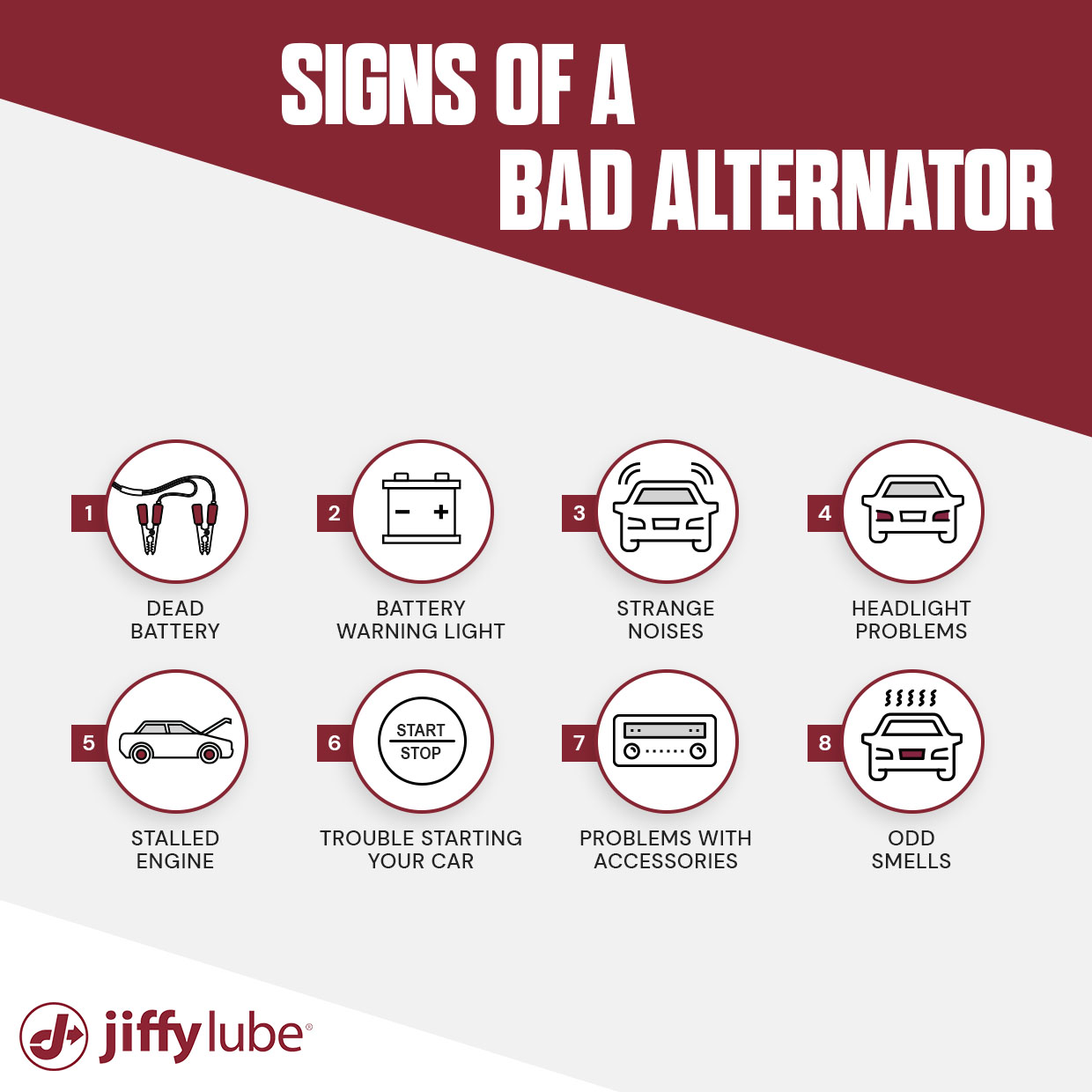
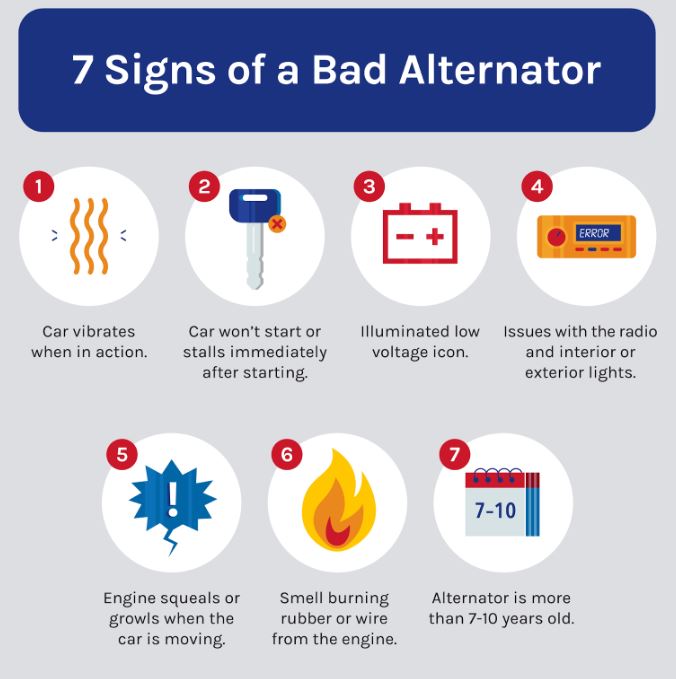
Dim or flickering lights often show alternator trouble. Headlights or dashboard lights may get weak or blink. This happens more when you press the gas pedal.
A dead or weak battery can mean the alternator is bad. If the car needs a jump start often, or struggles to start, the alternator might not charge the battery well.
Dashboard warning lights like the battery symbol or “alt” light can turn on. These lights warn of charging system problems.
Unusual engine noises such as grinding, whining, or squealing may come from the alternator. These sounds can mean a worn bearing or belt issue.
Electrical malfunctions include slow power windows, weak door locks, or other electronics acting strange. These show the alternator may not supply enough power.
A burning smell like rubber or electrical burning often means the alternator is overheating or a belt is slipping. This smell should never be ignored.
Credit: www.youtube.com
Testing With A Multimeter
Tools needed include a multimeter set to DC voltage. Safety glasses are important for protection. Check the alternator belt to ensure it is tight and in good condition before testing.
Voltage test with engine off: Connect the multimeter leads to the battery terminals. A healthy battery should show about 12.6 volts. Lower voltage may mean a weak battery or alternator issue.
Voltage test with engine running: Start the engine and measure voltage again. The reading should be between 13.8 and 14.4 volts. This means the alternator is charging properly.
Testing under load: Turn on headlights, radio, and air conditioning. Voltage should stay above 13 volts. If voltage drops below this, the alternator may be failing.
| Test Condition | Expected Voltage |
|---|---|
| Engine Off | 12.6 V |
| Engine Running | 13.8 – 14.4 V |
| Under Load | Above 13 V |
Interpreting results: Voltage below 12.4 V with engine off means weak battery. Voltage under 13.8 V with engine running suggests bad alternator. Voltage dropping under load confirms alternator issues.
Pre-test Checks
Always wear safety glasses to protect your eyes from sparks or debris. Ensure the engine is off before starting any checks. Keep your hands and tools away from moving parts during inspection.
Look closely at the drive belt connected to the alternator. It should be tight, free of cracks, and without fraying. A loose or damaged belt can cause the alternator to fail.
Check the battery connections for corrosion or looseness. Clean any corrosion with a baking soda solution and tighten all clamps. Poor connections can mimic alternator problems.
Seek professional help if you notice persistent dim lights, strange noises, or if the battery warning light stays on. Complex issues need expert diagnostics to avoid damage.
Additional Testing Methods
Many auto parts stores offer free alternator testing. They use special tools to check if your alternator works well. Bring your car or alternator to the store for quick testing.
OBD-II scanners help find electrical problems. Plug the scanner into your car’s port. It reads error codes that show alternator or battery issues. This tool gives clear info about your car’s health.
Look closely at the alternator parts. Check the drive belt for cracks or looseness. Inspect wiring for damage or corrosion. Make sure the alternator pulley spins smoothly without noise.
Common Causes Of Alternator Failure
Worn bearings inside the alternator cause noise and reduce function. These bearings help the rotor spin smoothly. When they wear out, the alternator may make grinding or whining sounds. This can lead to failure if ignored.
The faulty voltage regulator causes unstable voltage output. It controls how much charge the alternator sends to the battery. A bad regulator may cause flickering lights or a dead battery.
Damaged wiring can stop power from flowing properly. Wires may break or corrode over time. This leads to poor electrical connection and alternator failure. Checking wiring regularly is important.
Overheating issues happen when the alternator gets too hot. Heat can damage internal parts and reduce lifespan. Causes include poor ventilation, heavy electrical load, or a slipping belt. Keeping the alternator cool helps it last longer.
Credit: www.aaa.com
Preventive Maintenance Tips
Check the alternator belt often for cracks or wear. A worn belt can slip and stop the alternator from charging the battery well. Tighten or replace the belt as needed to keep the system working.
Keep the battery terminals clean. Dirt or corrosion on terminals can block electrical flow. Use a wire brush and a mix of baking soda and water to clean the terminals. This helps the alternator charge the battery properly.
Avoid using too many electrical devices at once. Electrical overloads can strain the alternator and cause it to fail early. Turn off unnecessary lights or devices when the engine is off. This keeps the alternator and battery in good condition.
Frequently Asked Questions
How Do You Check If Your Alternator Is Bad?
Check for dim or flickering lights, a dead battery, warning dashboard lights, strange engine noises, or slow electrical accessories. Use a multimeter to test voltage: around 12. 6V engine off, 13. 8-14. 2V running. Inspect belts and connections for damage or corrosion.
How Does A Car Act When The Alternator Is Going Out?
A failing alternator causes dim or flickering lights, a weak battery, warning dashboard lights, strange engine noises, and electrical issues.
Can You Jumpstart A Car With A Bad Alternator?
You can jumpstart a car with a bad alternator, but it won’t last long. The battery won’t recharge properly.
How To Tell If It’s Battery Or Starter?
Turn the key: a clicking sound often means starter issues. Dim lights or slow cranking indicate a weak battery. Test battery voltage with a multimeter; low voltage points to battery problems. If battery is good but no start, the starter likely fails.
Conclusion
Knowing the signs of a bad alternator helps keep your car running well. Watch for dim lights, strange noises, or warning lights on the dashboard. Test the alternator voltage with a multimeter for a clear reading. Always check the belt and battery connections before testing.
Taking quick action can prevent bigger car problems. If unsure, seek professional help to stay safe on the road. Regular checks save time and money in the long run. Keep your vehicle’s electrical system strong and reliable.
When you purchase a product through Amazon links on carsolutionpro.com, we may earn a small commission at no extra cost to you. This helps support the site and keep our content free. As an Amazon Associate, we earn from qualifying purchases made through our links.