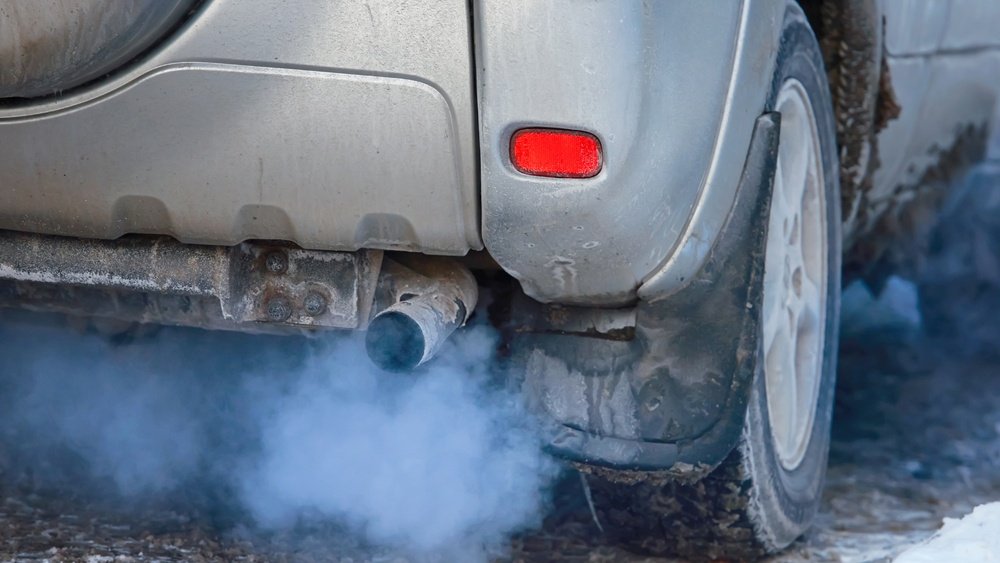
Seeing blue smoke coming from your car’s exhaust can be alarming. It usually means your engine is burning oil, and if you don’t act fast, it could lead to costly damage.
But don’t worry—you’re in the right place to learn how to tackle this problem. You’ll discover why that blue smoke appears and the simple steps you can take to stop it. Whether it’s a quick fix like changing a valve or something more serious like repairing piston rings, we’ll guide you through what you need to know.
Keep reading to protect your engine and save money on repairs before the issue gets worse.
Credit: www.wynns.eu
Causes Of Blue Smoke
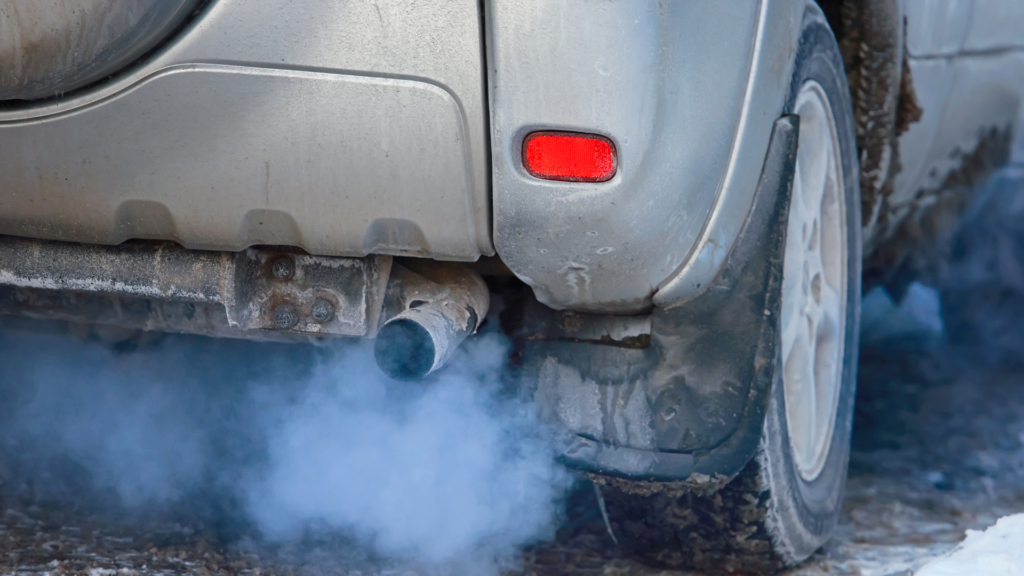
Burning engine oil causes blue smoke when oil leaks into the combustion chamber. This happens if the oil seals are worn or broken. Faulty valve seals let oil seep into cylinders, making blue smoke visible. Worn piston rings allow oil to pass by and burn with fuel, producing blue smoke. A blown head gasket can let oil mix with air and fuel, causing blue smoke from the exhaust. Problems with the turbocharger also lead to oil burning. Oil can leak into the turbo and burn, creating blue smoke.
These issues mean the engine is burning oil wrongly. Fixing the cause stops the smoke. Regular engine checks help find these problems early.

Credit: www.youtube.com
Initial Checks
Check the oil level first. Low or too much oil can cause blue smoke. Use the dipstick to see if oil is between the marks. Do not overfill.
Inspect the PCV valve. A bad valve can let oil into the engine’s air system. This can cause blue smoke. Replace it if clogged or broken.
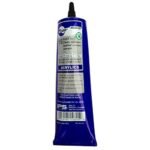
Try using oil stop leak additives. These can help if small oil leaks cause smoke. Follow the product instructions carefully.
Change the engine oil and filter regularly. Old oil or dirty filters may cause problems. Fresh oil helps the engine run better and stops blue smoke.
Basic Fixes
Replacing the PCV valve helps stop blue smoke by fixing pressure inside the engine. The valve controls gases and oil vapor flow. A faulty PCV valve lets oil enter the engine’s combustion chamber, causing blue smoke.
Using additives safely can clean engine parts and reduce smoke. Always follow instructions on the label. Some additives help stop oil leaks and improve engine performance. Use only recommended products for your car.
Regular oil maintenance is key to preventing blue smoke. Change engine oil and oil filter often. Old or dirty oil can cause the engine to burn oil. Check oil levels regularly and top up if needed.
Advanced Repairs
Valve stem seal replacement stops oil from leaking into the engine cylinders. Worn seals cause oil to burn, creating blue smoke. This repair helps keep oil out of the combustion chamber, reducing smoke.
Piston ring repair is needed if rings are worn or broken. Damaged rings allow oil to enter the combustion area. Fixing or replacing piston rings restores the engine’s seal and stops oil burning.
Fixing a blown head gasket prevents oil and coolant mixing. A blown gasket can let oil leak into cylinders, causing blue smoke. Replacing the gasket stops leaks and restores engine health.
Turbocharger repair matters if oil leaks inside the turbo. A bad turbo can send oil into exhaust, making blue smoke. Repairing or replacing the turbo keeps oil flow normal and cuts smoke.
Preventive Tips
Using the correct oil type helps keep the engine clean. Oils with proper viscosity stop oil burning inside the engine.
Routine engine checks catch problems early. Check oil levels and look for leaks regularly. A healthy engine runs cleaner and stops blue smoke.
Avoid overfilling oil to prevent excess pressure. Too much oil causes seals to fail and oil to burn, creating blue smoke.

Credit: www.youtube.com
When To See A Mechanic
Signs of severe damage include constant blue smoke and loss of power. Engine oil leaks inside the engine can cause this smoke. Strange noises or rough running also warn of serious issues.
Choosing a reputable shop is key for proper repairs. Look for certified mechanics with good reviews. They use correct tools and parts to fix the problem safely.
Importance of early diagnosis saves money and prevents bigger damage. The sooner you check blue smoke, the easier the repair. Waiting too long can cause engine failure and costly fixes.
Frequently Asked Questions
Can You Stop Blue Smoke From Exhaust?
To stop blue smoke from the exhaust, fix oil leaks by replacing seals, valve stem seals, or piston rings. Check and replace the PCV valve, use oil stop leak additives, and repair a blown head gasket if needed. Regular oil changes also help prevent blue smoke.
What Is The Best Additive To Stop Blue Smoke?
The best additive to stop blue smoke is an oil stop leak additive. It conditions seals and reduces minor oil leaks temporarily.
Is It Safe To Drive With Blue Smoke From Exhaust?
Driving with blue smoke from the exhaust is unsafe. It signals oil burning, risking engine damage and oil depletion. Seek immediate mechanical inspection and repair to prevent costly failures.
How To Get Clear Blue Smoke?
To get clear blue smoke, use dry, seasoned hardwoods and maintain a small, hot fire. Preheat thoroughly and keep the cooker clean for best results.
Conclusion
Blue smoke from the exhaust signals burning oil in the engine. Fixing the cause stops the smoke and protects the engine. Start by checking oil levels and the PCV valve condition. Simple fixes like oil changes or valve replacements help many cars.
More serious issues may need professional engine repairs. Acting early can save money and prevent further damage. Keep your vehicle healthy and enjoy smoother, cleaner rides.
When you purchase a product through Amazon links on carsolutionpro.com, we may earn a small commission at no extra cost to you. This helps support the site and keep our content free. As an Amazon Associate, we earn from qualifying purchases made through our links.