Is your engine’s idle speed acting up? Whether it’s idling too high, too low, or feels shaky, knowing how to adjust your engine’s idle speed can save you from costly repairs and improve your car’s performance.
You don’t need to be a mechanic to fix this common issue. In this guide, you’ll learn simple, step-by-step methods to check and adjust your engine’s idle speed the right way. Keep reading to discover how small tweaks can make a big difference in your vehicle’s smoothness, fuel efficiency, and overall health.
Don’t let a rough idle slow you down—let’s get your engine running perfectly again!
Idle Speed Basics
The normal idle RPM range for most cars is between 600 and 1000 RPM. This helps the engine run smoothly while the vehicle is stopped. The exact number depends on the car’s make, model, and engine type. Checking the owner’s manual gives the best guide.
Several factors affect idle speed. Engine temperature is key: a cold engine idles higher to warm up quickly. Turning on accessories like the air conditioner raises idle speed too. The car’s computer adjusts for these changes automatically.
Signs of idle speed problems include a rough or shaky idle, which may mean a dirty throttle body or vacuum leak. An engine idling too high wastes fuel and causes wear. If idle is too low, the engine might stall. These issues need attention to keep the car running well.

Credit: riiroo.com
Tools Needed
RPM gauge or tachometer helps measure the engine’s idle speed accurately. This tool shows the rotations per minute, which is key for adjustments.
Screwdrivers and wrenches are essential for turning screws and bolts. These tools allow you to make fine changes on the throttle or idle screw.
Cleaning supplies like a throttle body cleaner and a cloth help remove dirt and grime. Clean parts ensure smooth idle speed and prevent stalling.
Preparing To Adjust
Start by warming up the engine. Let it run for about 5 to 10 minutes. This ensures the engine reaches its normal operating temperature.
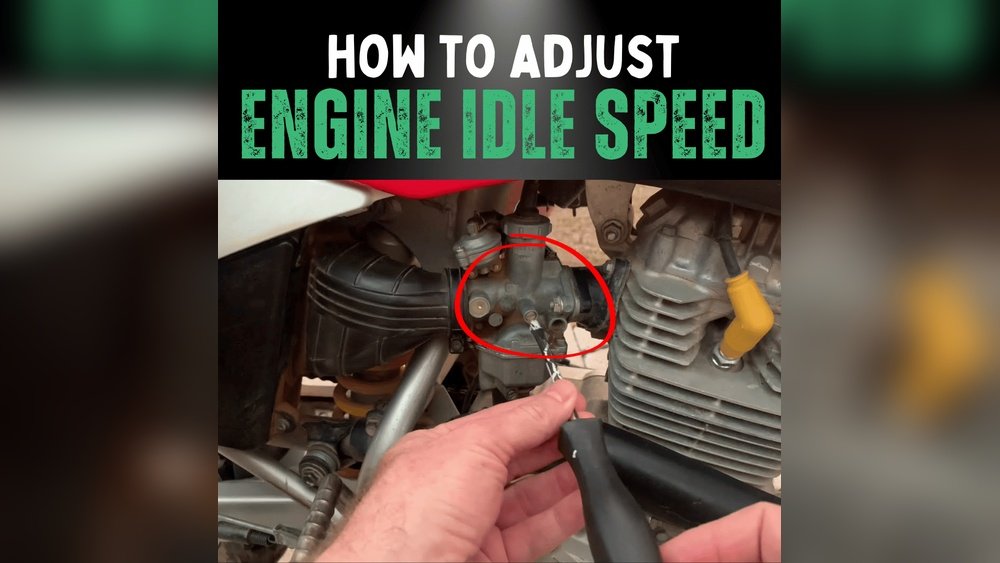
Next, locate the idle adjustment screws. These are usually near the throttle body or carburetor. Use your vehicle manual to find the exact location.
Always check the vehicle manual before adjusting. It gives the correct idle speed and adjustment steps. Following the manual keeps the engine safe and working well.
Credit: mercedessource.com
Adjusting Idle Speed On Carbureted Engines
Locate the idle speed screw on the carburetor. It is usually near the throttle linkage. This screw controls the engine’s idle rpm by adjusting airflow.
Turn the screw slowly clockwise to increase RPM. Turn it counterclockwise to decrease RPM. Make small turns to avoid large changes.
After adjusting, let the engine run for a few seconds. Check if the idle is smooth and steady. If the engine shakes or stalls, adjust the screw again slightly.
Repeat until the idle speed feels stable and smooth. A well-adjusted idle helps the engine run better and saves fuel.
Adjusting Idle Speed On Fuel-injected Engines
The Idle Air Control (IAC) valve helps keep the engine running smoothly at idle. It adjusts the air flow to keep the RPM steady.
Resetting the Engine Control Unit (ECU) can help if idle speed is wrong. This clears old data and lets the engine relearn the right idle.
- Disconnect the battery for 10-15 minutes to reset the ECU.
- Reconnect and let the engine run for a few minutes.
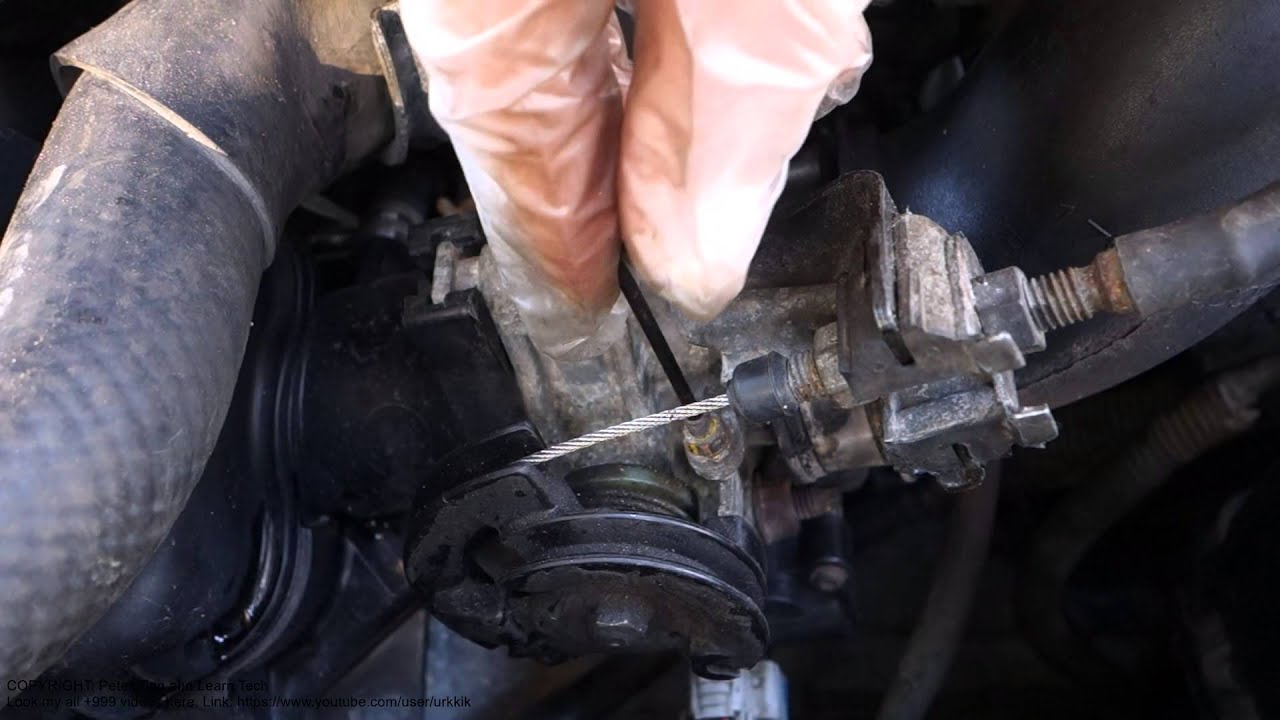
Some fuel-injected engines also allow manual idle speed adjustments. This is done with a small screw near the throttle body.
- Turn the screw slowly to increase or decrease idle RPM.
- Check the owner’s manual for the correct idle speed.
- Use a tachometer to monitor RPM during adjustment.
Troubleshooting High Idle
Check for any vacuum leaks around hoses and intake manifold. Leaks can cause high idle speed by letting extra air enter the engine. Use a smoke machine or spray soapy water to find leaks.
The Idle Air Control (IAC) valve controls engine idle speed. Dirt or failure in the valve can cause idle issues. Clean the valve gently with throttle body cleaner. Replace it if cleaning does not help.
Keep the throttle body clean. Carbon buildup can block airflow and affect idle speed. Use a throttle body cleaner and a soft brush to remove dirt carefully. Make sure the throttle plate moves freely after cleaning.
Troubleshooting Low Idle
Dirty components like the throttle body and air filter can cause low idle. Dirt blocks airflow, making the engine work harder. Clean these parts carefully to help the idle return to normal.
Sensors such as the throttle position sensor and idle air control valve need inspection. Faulty sensors send wrong signals to the engine, causing rough or low idle. The EGR valve should also be checked; if stuck open, it can lower idle speed.
Fuel delivery problems may cause low idle too. A clogged fuel filter or weak fuel pump reduces fuel flow. This makes the engine struggle to keep a steady idle. Check the fuel system and replace parts if needed.
Credit: www.youtube.com
Safety Tips
Working in a well-ventilated area is very important. Exhaust fumes can be dangerous. Fresh air helps keep you safe. Avoid enclosed spaces to prevent carbon monoxide buildup.
Wearing protective gear like gloves and safety glasses protects your skin and eyes. Long sleeves help avoid burns. Use tools carefully to prevent accidents.
Avoid causing engine damage by not rushing the process. Do not adjust the idle speed while the engine is overheated. Make small changes and check the results before moving on.
When To Seek Professional Help
Persistent idle problems often need a mechanic’s attention. If the engine keeps stalling or RPM jumps up and down, it shows deeper issues.
Complex sensor issues, like a bad throttle position sensor or mass airflow sensor, can cause wrong idle speeds. These parts need special tools to test and fix.
Electronic control system repairs are tricky. The engine control unit (ECU) manages idle speed. Faults in this system require professional diagnostics and repair.
Trying to fix these problems alone may cause more damage. Experts have the right tools and knowledge to solve them safely and correctly.
Frequently Asked Questions
What Is Normal Engine Idle Speed?
Normal engine idle speed typically ranges between 600 and 1,000 RPM. It varies by vehicle make, model, and engine design. Engines idle higher when cold and lower when warmed up. Consult your owner’s manual for exact specifications to ensure proper engine performance and fuel efficiency.
How Do I Fix High Idle Rpm?
Check for vacuum leaks by inspecting hoses. Clean or replace the idle air control valve. Clean the throttle body. If needed, service sensors and the EGR valve.
What Does A Rough Idle Feel Like?
A rough idle feels like shaky or uneven engine vibrations. You may notice fluctuating RPMs and a noticeable engine shake while the car idles.
What Controls The Idle Speed Of A Car?
The idle speed of a car is controlled by the engine’s idle air control (IAC) valve and the throttle body. The engine control unit (ECU) adjusts these to maintain stable RPM.
Conclusion
Adjusting your engine’s idle speed keeps your vehicle running smoothly. Proper idle prevents stalling and saves fuel. Always check your car’s manual for correct RPM settings. Regular maintenance helps spot issues early. Small adjustments can make a big difference. Stay safe and enjoy a better driving experience.
When you purchase a product through Amazon links on carsolutionpro.com, we may earn a small commission at no extra cost to you. This helps support the site and keep our content free. As an Amazon Associate, we earn from qualifying purchases made through our links.