When was the last time you checked your brake oil? If you can’t remember, it’s probably time to find out how often you should change it.
Your brake oil, also known as brake fluid, plays a crucial role in keeping your car’s braking system responsive and safe. Over time, it absorbs moisture and loses its ability to perform, putting you at risk of longer stopping distances or even brake failure.
You’ll discover why changing your brake oil regularly isn’t just a maintenance task—it’s a vital step to protect your safety and avoid costly repairs. Keep reading to learn exactly how often you should change your brake oil and what signs to watch for before it’s too late.
Brake Fluid Basics
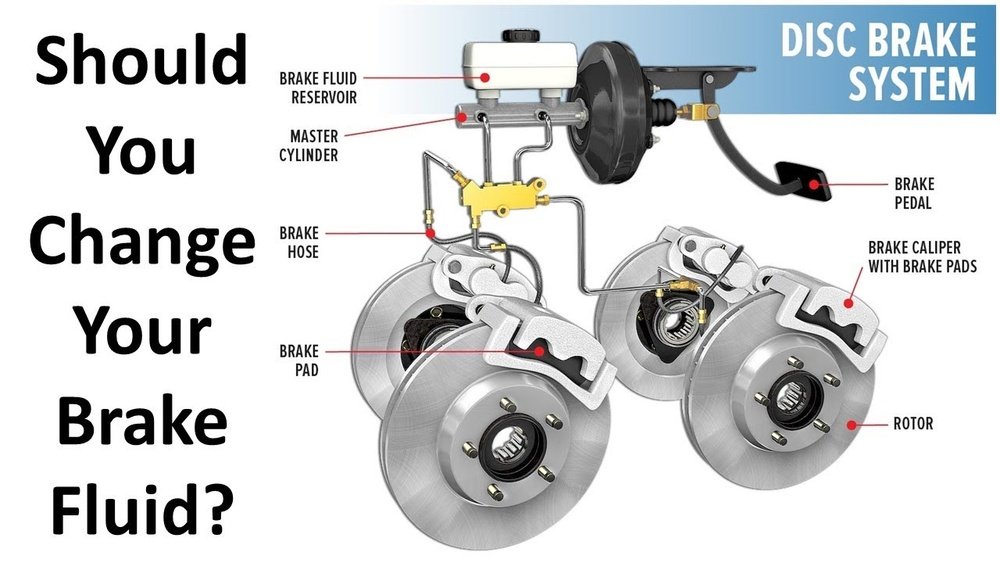
Brake fluid plays a critical role in the braking system. It transfers the force from the brake pedal to the brake parts. This helps the vehicle stop safely and quickly. There are different types of brake fluid, mainly DOT 3, DOT 4, and DOT 5.1. They differ in boiling points and chemical properties. Choosing the right type is important for your vehicle’s safety.
Brake fluid is hygroscopic. This means it absorbs moisture from the air over time. Water in the brake fluid lowers its boiling point. This can cause brake fade, which means your brakes work less well when hot. Moisture also causes rust and corrosion inside the brake system. This can lead to leaks or damage to brake parts.

Credit: shieldoils.com
Signs To Change Brake Fluid
A spongy brake pedal feels soft or sinks when pressed. This shows air or moisture in the brake fluid. It can make braking unsafe.
Reduced stopping power means your car takes longer to stop. This happens if the brake fluid is old or dirty. It lowers the fluid’s ability to work well.
Visible fluid discoloration is a clear sign. Fresh brake fluid is clear or light yellow. Dark or cloudy fluid means it’s time to change it. Dirt and moisture cause this change.
Recommended Change Intervals
Manufacturer guidelines usually recommend changing brake oil every 2 years or 20,000 to 30,000 miles. This can vary by car brand and model, so checking the owner’s manual is important. Typical mileage ranges from 20,000 to 45,000 miles depending on driving style and conditions.
Timeframes matter as brake fluid can degrade even if the car is not driven often. Changing it every 2 years is a safe rule to keep the brake system working well.
Several factors affect how often brake oil should be changed. These include driving in wet or humid climates, frequent stop-and-go traffic, and heavy braking. Such conditions cause brake fluid to absorb moisture faster, lowering its boiling point and reducing brake efficiency.
| Factor | Effect | Recommended Action |
|---|---|---|
| Wet or Humid Climate | Faster moisture absorption | Change brake oil more often, about every 1-1.5 years |
| Heavy Braking | Fluid heats up and degrades | Inspect brake fluid yearly |
| Stop-and-Go Traffic | Increases fluid temperature cycles | Follow manufacturer’s shorter intervals |

Credit: www.youtube.com
Risks Of Neglecting Changes
Brake fluid absorbs moisture from the air over time. This moisture lowers the boiling point of the fluid. When brakes are used hard, the fluid can boil. Boiling creates vapor bubbles in brake lines, which causes spongy brakes and loss of stopping power.
Moisture also causes corrosion and rust inside brake parts. Rust can damage brake lines, calipers, and the master cylinder. This damage may lead to leaks or brake system failure. Damaged brakes are unsafe and costly to fix.
Brake Fluid Change Process
The fluid flushing techniques include two main methods: gravity bleeding and pressure bleeding. Gravity bleeding uses the force of gravity to drain old brake fluid. Pressure bleeding pushes new fluid through the system with a pump for faster results. Both methods help remove contaminated fluid and air bubbles.
Tools and materials needed are:
- Brake fluid (correct type for your car)
- Wrench or brake bleeder kit
- Clear tubing
- Container to catch old fluid
- Gloves and safety glasses
Professional vs. DIY: Professionals have special machines for quick, thorough fluid changes. DIY methods are cheaper but need careful steps to avoid air in the brake lines. Using the right tools and brake fluid type is very important for safety.
Cost Implications
Regular maintenance expenses for brake oil changes are relatively low. The cost of brake fluid and service is small compared to other car repairs. Changing brake fluid regularly prevents major issues. Neglecting brake oil can cause damage to brake lines, calipers, and the master cylinder. Repairing these parts can be very costly.
Repair costs from neglect often include replacing rusted or corroded components. This may lead to brake failure and expensive mechanic bills. The price of fixing these problems is much higher than regular fluid changes.
The value of timely fluid changes lies in keeping the braking system safe and reliable. Regular changes help avoid costly repairs and maintain good car performance. Spending a little on brake fluid now saves a lot of money later.
Brake System Components Affected
The brake lines and calipers rely on clean brake fluid to work well. Old fluid with moisture causes rust and corrosion inside these parts. This can make leaks or damage happen faster. The master cylinder also needs fresh fluid to keep pressure strong. Dirty fluid can cause it to fail or work poorly.
The ABS system valves are sensitive to brake fluid quality too. Moisture in the fluid can cause these valves to stick or fail. This affects how well your car can stop, especially in emergency situations. Keeping brake fluid fresh helps protect all these parts and keeps your brakes safe.

Credit: www.reddit.com
Tips For Brake Fluid Care
Check the brake fluid level regularly. It should be between the minimum and maximum marks on the reservoir. Look at the color and clarity. Clear or light amber fluid is good. Dark or murky fluid means it is time to change it.
Avoid letting dirt or water enter the brake fluid. Always keep the reservoir cap tightly closed. Use only the brake fluid type recommended by your vehicle’s manual. Contamination can cause brake failure or damage to the system.
Consult a mechanic if the brake pedal feels soft or sinks to the floor. Strange noises or warning lights on the dashboard also need professional attention. A mechanic can check for leaks, air in the system, or worn parts that affect brake fluid quality.
Frequently Asked Questions
What Happens If You Don’t Change Brake Oil?
Not changing brake oil causes moisture buildup, lowering boiling point and causing brake fade. It leads to corrosion, leaks, and brake system failure. This reduces stopping power and makes brakes unsafe.
Do I Really Need To Change Brake Fluid Every 2 Years?
Yes, changing brake fluid every 2 years prevents moisture buildup, corrosion, and brake failure. It keeps braking safe and effective.
How Often Should I Change My Car Brake Oil?
Change your car brake fluid every 2 years or 20,000 to 45,000 miles to maintain safe braking performance.
How Can I Tell If My Brake Fluid Needs To Be Changed?
Check brake fluid color; dark or dirty fluid signals a change. Notice a spongy brake pedal or reduced stopping power. Replace fluid every 1-2 years or 20,000-30,000 miles to maintain safety and performance.
Conclusion
Changing brake oil regularly keeps your brakes working well. Old fluid absorbs water, causing damage and poor braking. Check your vehicle manual for recommended change times. Usually, changing brake oil every two years is safe. Clean, fresh fluid helps prevent rust and brake failure.
Don’t wait for problems to appear before acting. Taking care of brake fluid protects your safety on the road. Simple steps now avoid costly repairs later. Stay safe by keeping your brake oil fresh.
When you purchase a product through Amazon links on carsolutionpro.com, we may earn a small commission at no extra cost to you. This helps support the site and keep our content free. As an Amazon Associate, we earn from qualifying purchases made through our links.