Have you ever felt your car pulling to one side or noticed uneven tire wear? These could be signs that your wheels aren’t aligned properly.
But how often should you really have a wheel alignment? Getting this right can save you money on tires, improve your driving safety, and make your rides smoother. You’ll discover the key reasons to check your wheel alignment, how to tell when it’s time, and simple tips to keep your car running perfectly.
Keep reading to learn how to protect your vehicle and enjoy a safer drive every time you hit the road.
Wheel Alignment Basics
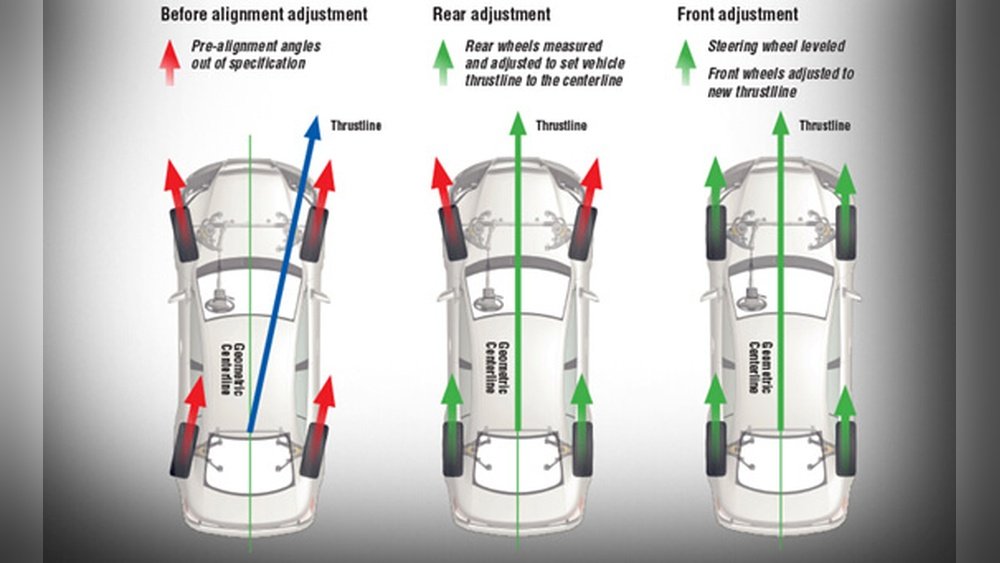
Wheel alignment adjusts the angles of your car’s wheels. The main angles are toe, camber, and caster. Toe is the direction the wheels point relative to the car’s centerline. Camber is the tilt of the wheels inward or outward. Caster is the angle of the steering pivot. These angles affect how your car handles and drives.
Proper alignment helps your car drive straight and steer easily. It also improves fuel efficiency and tire life. Misaligned wheels cause the car to pull to one side or the steering wheel to be off-center.
| Alignment Angle | Role in Handling | Impact on Tire Wear |
|---|---|---|
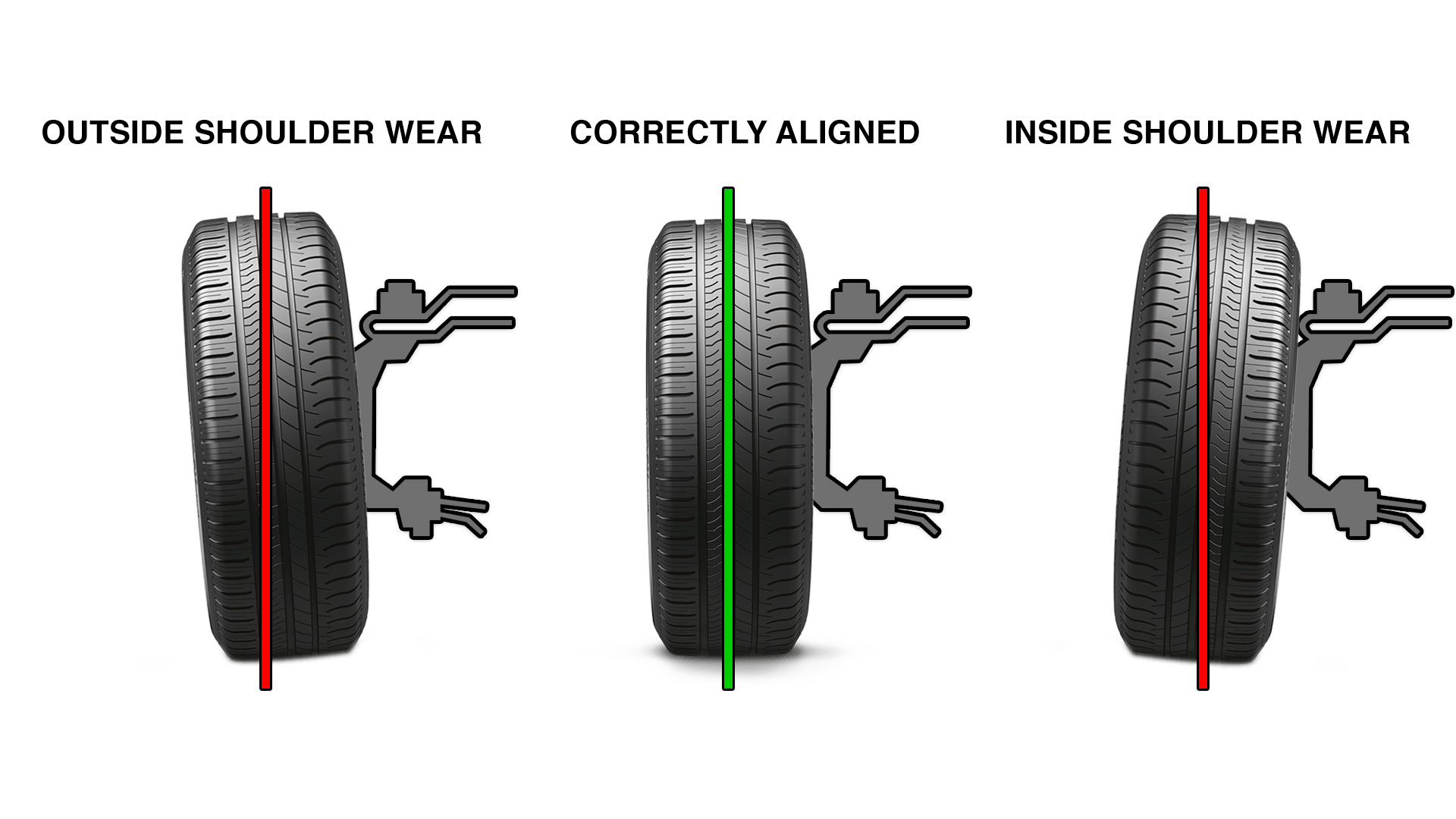
| Toe | Affects straight-line stability and turn response | Causes uneven wear on inside or outside tire edges |
| Camber | Influences cornering grip and stability | Wears tires more on one side |
| Caster | Helps steering return to center after turns | Minimal direct effect on tire wear |
Credit: www.telletire.com
Signs You Need An Alignment
Vehicle pulling to one side is a clear sign your wheels need alignment. This means your car does not go straight without steering effort. It can make driving unsafe and tires wear unevenly.
A crooked or vibrating steering wheel often means misalignment. You might feel shaking or the steering wheel not centered when driving straight. This can be uncomfortable and risky.
Uneven tire wear happens when tires wear more on one side. It shows wheels are not aligned properly. This shortens tire life and costs more money in the long run.
Loose or unresponsive steering is another sign. The steering may feel sloppy or slow to respond. It can make handling the vehicle harder, especially at higher speeds.
Factors Affecting Alignment Frequency
Driving on rough roads or hitting potholes often causes misalignment faster. Sharp impacts like hitting a curb or a crash need an immediate alignment check. Worn suspension parts, such as shocks or struts, also make alignment shift over time. Installing new tires is a perfect chance to get an alignment done. This helps even out tire wear from the start, saving money later.
Signs you need an alignment check include the car pulling to one side or uneven tire wear. After any big hit to your wheels, check the alignment soon. New tires always call for an alignment. These steps keep your ride smooth and your tires lasting longer.
Credit: www.midlandshonda.com
Recommended Alignment Intervals
Have your wheel alignment checked every year. This helps keep tires wearing evenly and your car driving straight. A yearly check is a good habit for all vehicles.
After any big hits, such as hitting a curb or pothole, get an alignment check. These impacts can push wheels out of place and cause uneven tire wear or pulling to one side.
New tires need an alignment. This ensures tires wear evenly and last longer. It also helps the car drive properly right from the start.
During routine maintenance, like oil changes or brake checks, ask for an alignment check. This keeps your car safe and tires in good shape.
Consequences Of Poor Alignment
Poor wheel alignment causes premature tire wear. Tires wear unevenly, reducing their lifespan. This means more frequent tire replacements.
It also leads to reduced fuel efficiency. Misaligned wheels create extra drag, making the engine work harder. This wastes fuel and increases costs.
Safety risks rise with poor alignment. The car may pull to one side, making it hard to control. This increases chances of accidents.
Ignoring alignment causes increased repair costs. Suspension and steering parts wear out faster. Repairing these parts can be expensive.
Alignment Procedures And Technology
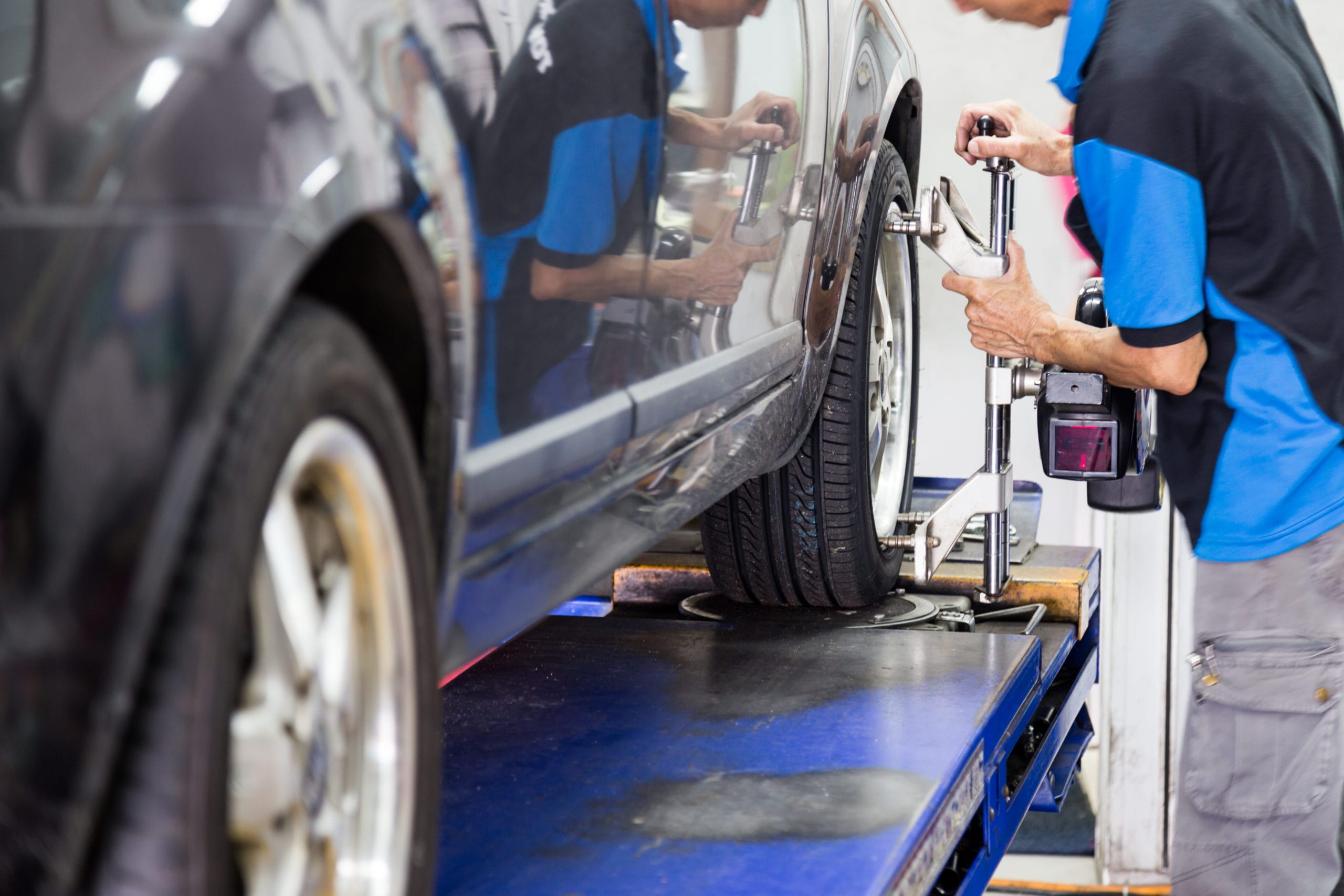
Modern alignment machines use cameras and sensors for precise adjustments. These devices measure wheel angles quickly and accurately. They help correct toe, camber, and caster angles to improve driving safety.
DIY alignment is possible but often inaccurate. Special tools and knowledge are needed to get good results. Professional services use advanced equipment and trained technicians to ensure the best outcome. This reduces tire wear and improves fuel efficiency.
Many shops offer alignment during tire rotation. This saves time and money by combining services. It also keeps your tires wearing evenly. Regular alignment checks during rotations help your car handle better on the road.

Credit: www.midlandshonda.com
Frequently Asked Questions
How Long Does Wheel Alignment Last?
Wheel alignment typically lasts 1 to 2 years but varies by driving habits and road conditions. Check after impacts or uneven tire wear.
Is Wheel Alignment Necessary Every Year?
Wheel alignment is recommended at least once a year to ensure even tire wear and proper vehicle handling. Check alignment after impacts or when tires wear unevenly. Regular alignment improves safety and extends tire life.
How Do You Tell If You Need An Alignment?
You may need an alignment if your car pulls to one side, the steering wheel is off-center, or tires show uneven wear.
How Much Should A 4 Wheel Alignment Cost?
A 4-wheel alignment typically costs between $80 and $150. Prices vary by location and vehicle type.
Conclusion
Regular wheel alignment keeps your car safe and tires lasting longer. Check alignment after hitting curbs, potholes, or accidents. New tires need alignment to avoid uneven wear. Watch for pulling to one side or strange steering feel. Rough roads or worn suspension parts can cause misalignment sooner.
Routine checks help maintain smooth driving and save money. Stay attentive to your car’s signs and schedule alignments wisely. This simple step protects your vehicle and improves fuel efficiency. Don’t wait for problems—keep your wheels aligned for best performance.
When you purchase a product through Amazon links on carsolutionpro.com, we may earn a small commission at no extra cost to you. This helps support the site and keep our content free. As an Amazon Associate, we earn from qualifying purchases made through our links.