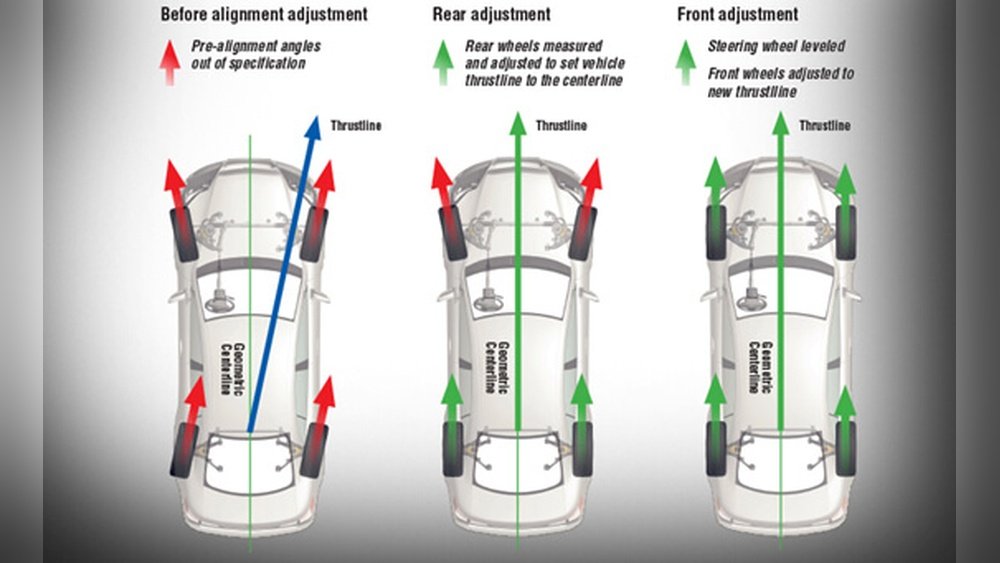
When was the last time you thought about your car’s wheel alignment? If you’re like most drivers, probably not very often.
But here’s the truth: keeping your wheels properly aligned is crucial for your safety, your car’s performance, and even your wallet. Wondering how often you should get your wheels aligned? The answer isn’t one-size-fits-all—it depends on your driving habits, road conditions, and even your vehicle’s age.
You’ll discover the key signs that tell you when it’s time for an alignment, why ignoring it can cost you more than just a smooth ride, and simple tips to keep your wheels—and your car—on the right track. Keep reading to learn exactly when and why you should care about wheel alignment. Your car—and your peace of mind—will thank you.
Alignment Frequency Basics
Wheels should be aligned regularly to keep your car safe and running well. Most experts suggest checking alignment every 6,000 to 10,000 miles. Rough roads, hitting potholes, or curbs can throw off alignment faster. If your car pulls to one side or tires wear unevenly, it’s time for a check.
New tires are a good reminder to get an alignment. Worn suspension parts can also affect alignment, so get these checked too. A strong impact, like an accident, calls for an immediate alignment check.
| When to Check Alignment |
|---|
| After hitting potholes or curbs |
| After installing new tires |
| If car pulls to one side |
| If tires wear unevenly |

Credit: www.youtube.com
Factors Affecting Alignment
Driving on rough roads or hitting potholes can quickly misalign wheels. Sudden impacts like hitting a curb or an accident need immediate alignment checks. Worn suspension parts, such as shocks or struts, also cause alignment to shift over time.
Installing new tires is the perfect moment to get an alignment. This helps the tires wear evenly and last longer. Regular checks keep the vehicle safe and smooth to drive.
Common Alignment Signs
Vehicle pulling to one side is a clear sign of misalignment. It makes driving difficult and unsafe.
A crooked steering wheel while driving straight means wheels are not aligned properly. It causes discomfort and uneven control.
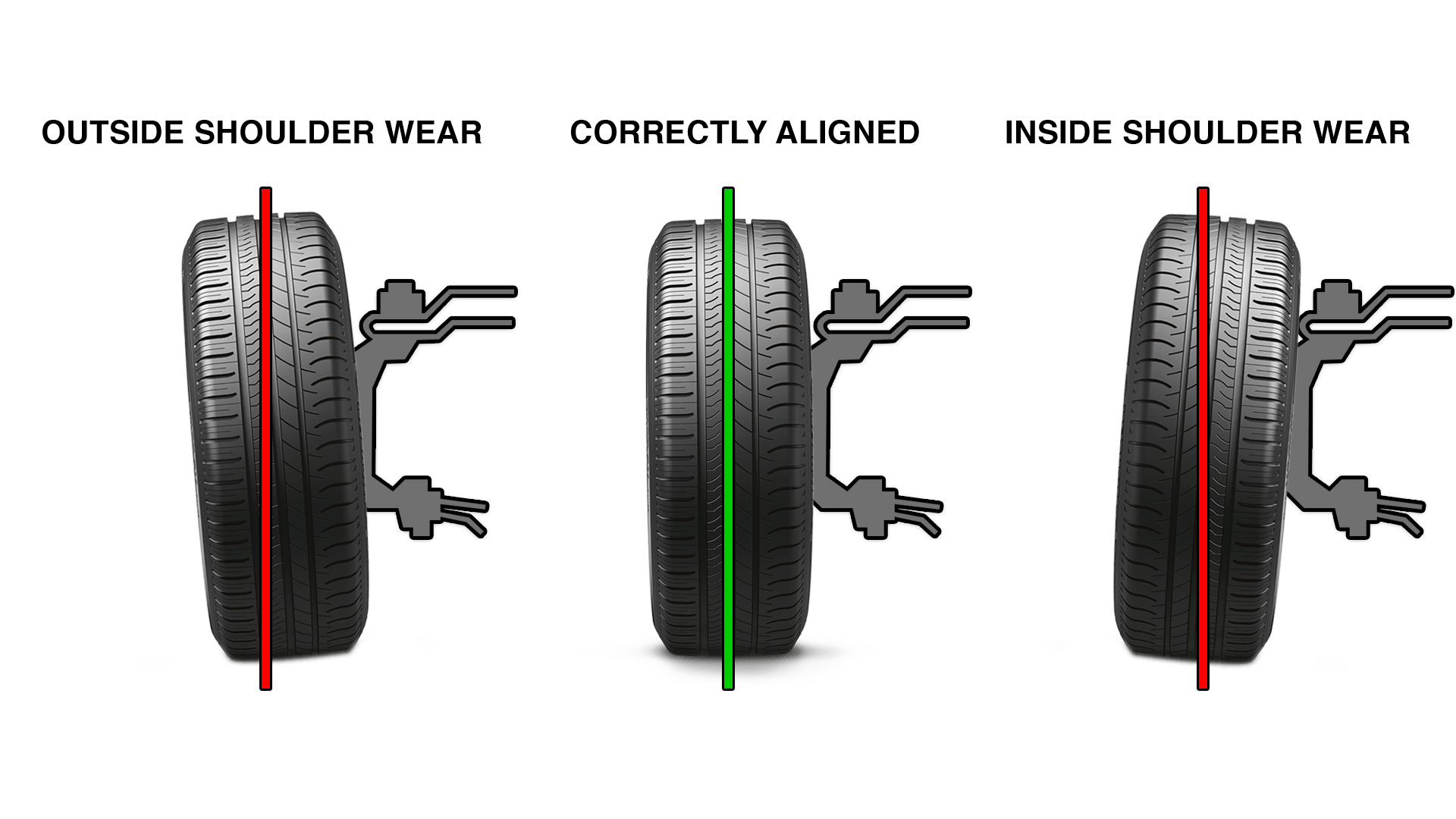
Uneven tire wear happens when tires wear more on one side. This reduces tire life and affects safety.
Steering wheel vibrations often indicate alignment issues. You may feel shaking, especially at higher speeds.
Tire squealing during turns can signal poor alignment. Tires lose grip and make noise.
Loose steering response means the car does not respond well to steering input. It feels sloppy and less precise.
When To Check Alignment
Checking wheel alignment is important after road impacts. Hitting a pothole, curb, or accident can cause misalignment. This affects how your car drives and wears tires.
New tires installation is another key time to check alignment. Aligning wheels with new tires helps them last longer and wear evenly.
Notice misalignment symptoms like the car pulling to one side or uneven tire wear? It means your wheels need an alignment check soon.
Alignment Duration Expectations
Wheel alignment usually lasts about two to three years. But several factors affect this time.
Driving on rough roads or hitting potholes can cause alignment to go off faster. Also, a big impact, like hitting a curb or an accident, needs immediate alignment check.
Parts like worn shocks or struts can cause the alignment to drift over time. Getting new tires is a good moment for alignment to avoid uneven tire wear.
Here are key times for alignment checks:
- After a big impact like pothole or curb
- When new tires are installed
- If the car pulls to one side or tires wear unevenly
No exact rule for how long alignment lasts. It depends on road conditions and driving habits.
Credit: www.midlandshonda.com
Alignment And Tire Maintenance
Tire rotation and balance are key parts of keeping tires healthy. Rotating tires every 5,000 to 8,000 miles helps wear evenly. Balancing tires reduces vibrations and extends tire life. Both help alignments last longer.
Alignment keeps tires pointing straight and prevents uneven wear. Misaligned wheels cause tires to wear fast and make steering hard. Check alignment after hitting a curb, pothole, or after an accident.
Worn suspension parts like shocks can cause alignment problems. New tires are a good time to check and fix alignment. Proper alignment and tire care improve safety and save money on replacements.
Manufacturer Recommendations
Most car manufacturers suggest checking wheel alignment every 12,000 to 15,000 miles. Some say it should be done once a year, even if you do not see issues. Regular checks help keep the vehicle safe and tires lasting longer.
Many recommend getting an alignment after hitting a curb or pothole. This can shift the wheels out of place. Also, installing new tires is a good time for alignment. It ensures the tires wear evenly from the start.
Suspension wear or any strange pulling to one side means a check is needed. Some vehicles may need alignment more often if driven on rough roads. Always follow your vehicle’s owner manual for specific advice.

Credit: www.cadillacofjacksonms.com
Diy Vs Professional Alignment
DIY alignment kits are cheaper but less precise. They work for small fixes only.
Professional alignment uses special machines for exact measurements. It ensures better safety and longer tire life.
DIY may save money but risk uneven tire wear or steering problems.
Professionals adjust camber, caster, and toe angles correctly. This is hard to do at home.
For best results, visit a professional every 12,000 to 15,000 miles or yearly.
DIY alignment can be useful for quick checks but not full corrections.
Frequently Asked Questions
How Long Does Wheel Alignment Last?
Wheel alignment typically lasts about one year or 12,000 miles. Rough roads, impacts, and worn suspension can shorten this time. Check alignment after hitting curbs, potholes, or installing new tires. Regular checks help maintain tire life and vehicle handling.
How Do I Know If My Wheels Need Alignment?
Check for wheel alignment if your car pulls to one side or the steering wheel is crooked when driving straight. Uneven or rapid tire wear also signals misalignment. Squealing tires, steering wheel vibration, or loose steering feel indicate an alignment check is needed.
How Often Must I Do Wheel Alignment?
Get a wheel alignment at least once a year or after hitting potholes, curbs, or installing new tires. Check alignment if your car pulls, tires wear unevenly, or steering feels off. Regular alignment ensures safer driving and extends tire life.
How Much Should A 4 Wheel Alignment Cost?
A 4-wheel alignment typically costs between $75 and $150. Prices vary by location and vehicle type. Regular alignment ensures better tire life and safer driving.
Conclusion
Wheels should be aligned regularly to keep your car safe and smooth. Check alignment after hitting potholes or curbs. New tires always need an alignment for even wear. Watch for signs like pulling to one side or uneven tire wear.
Regular checks help avoid bigger problems and save money. Aim for at least once a year, but adjust based on driving conditions. Proper alignment improves fuel efficiency and extends tire life. Stay alert and keep your wheels aligned for better driving.
When you purchase a product through Amazon links on carsolutionpro.com, we may earn a small commission at no extra cost to you. This helps support the site and keep our content free. As an Amazon Associate, we earn from qualifying purchases made through our links.