You rely on your car every day, so the last thing you want is to be stranded with a dead battery. But how often should you replace your car battery to avoid unexpected trouble?
Knowing when it’s time to swap out your battery can save you from inconvenient breakdowns and costly repairs. If you’ve noticed your engine struggling to start, dim lights, or that annoying clicking noise, these could be signs your battery is reaching the end of its life.
You’ll discover the key signs to watch for, how long car batteries typically last, and expert tips to keep your vehicle running smoothly. Keep reading to make sure your car is always ready to go when you are.
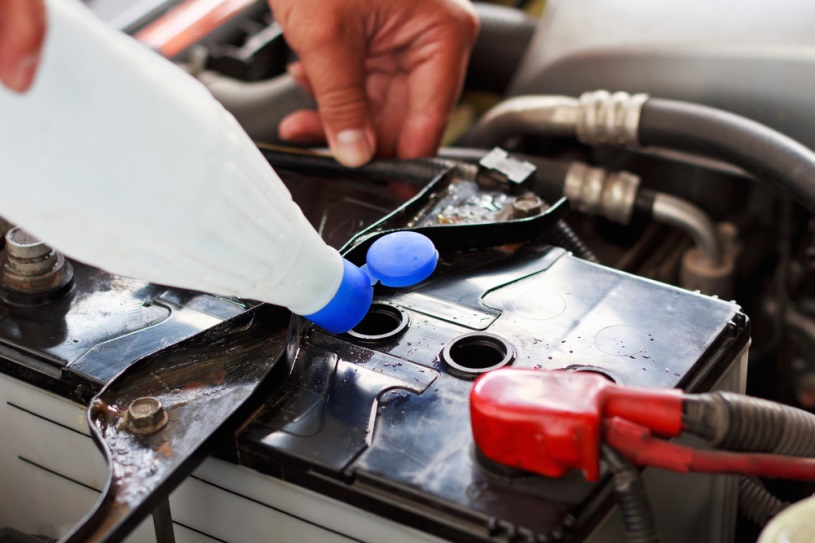
Credit: www.warrantywise.co.uk
Signs Of A Failing Battery
Slow engine crank means the engine turns slowly when starting. A clicking noise often happens if the battery can’t supply enough power. Dimming lights show the battery is weak and can’t support electrical parts well.
The battery warning light on the dashboard signals a battery problem. Other electrical issues like weak headlights or windows that move slowly also mean battery trouble. Frequent jump-starts are a clear sign the battery needs replacing soon.
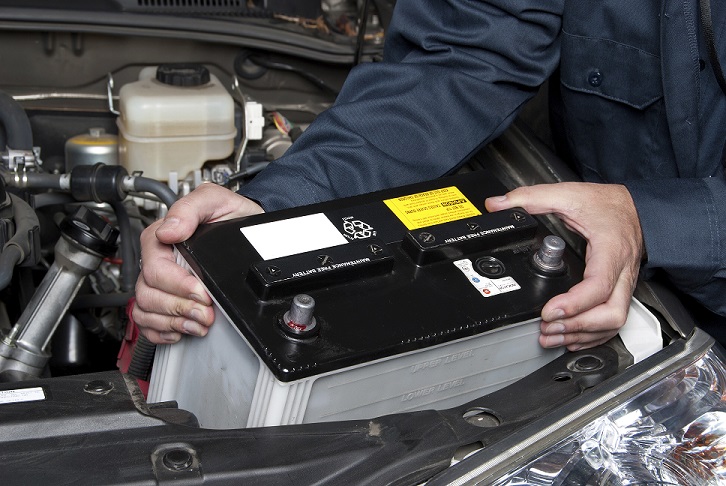
Credit: www.diamondhonda.com
Physical Battery Damage
Corrosion on terminals looks like white or green powder. It stops good contact between the battery and cables. This can cause starting problems and poor battery performance.
A swollen or cracked battery case means the battery is damaged inside. Heat or overcharging can cause the case to bulge or crack. This is a clear sign to replace the battery fast to avoid leaks or failure.
Sulfur or rotten egg smell comes from leaking battery acid or gas. This smell is dangerous and means the battery is bad. It can damage car parts or cause health problems if ignored.
Battery Lifespan And Age
The typical car battery life ranges from 3 to 5 years. After about 3 years, the battery’s performance can drop. Regular testing is important to check its health and avoid surprises. Tests show if the battery holds charge well or needs replacement soon.
Using a battery beyond its lifespan can cause starting problems and electrical failures. Old batteries may leak acid or swell, leading to damage. They also risk leaving you stranded with a dead car.
Keeping track of your battery’s age and condition helps maintain your car’s reliability. Replacing it before failure saves time and money on repairs.

Credit: www.straubnissan.com
Additional Indicators Of Battery Issues
When the vehicle dies soon after starting, it shows the battery is weak. The battery cannot hold enough charge to keep the engine running.
Dim or flickering headlights are another sign. Lights may get dimmer when the engine runs or when using other electrical parts. This means the battery is not providing steady power.
Extensive terminal corrosion looks like white, green, or blue powder on the battery terminals. Corrosion stops the battery from working well. It blocks the electrical flow and can cause starting problems.
Replacing Your Car Battery
Car batteries usually last about 3 to 5 years. Signs to replace include slow engine crank, dimming lights, and a clicking noise when starting. The battery warning light on the dashboard also signals a problem. Physical signs like corrosion on terminals, a swollen or cracked case, or a sulfur smell mean the battery may be bad. Frequent jump-starts show the battery is failing.
Choosing the right battery means matching size, power, and type to your car. Check your owner’s manual for the correct battery group size and cold cranking amps (CCA). Buying a battery with the right specs ensures good performance and longer life.
| Professional Replacement | DIY Replacement |
|---|---|
| Expert installation with warranty | Save money by doing it yourself |
| Proper disposal of old battery | Requires basic tools and care |
| Check battery and charging system | Risk of improper installation |
| Quick and safe process | Good learning experience |
Battery Maintenance Tips
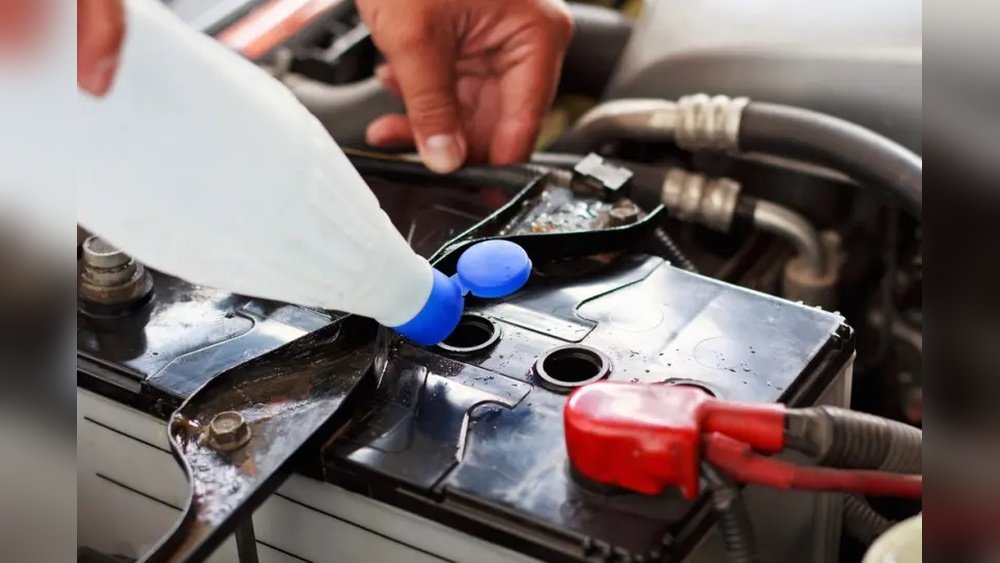
Cleaning corrosion from battery terminals keeps the connection strong. Use a mixture of baking soda and water to scrub away white or greenish buildup gently. Always wear gloves and disconnect the battery before cleaning to avoid shocks. After cleaning, dry the terminals well and apply a thin layer of petroleum jelly to prevent future corrosion.
Regular battery testing helps catch problems early. Test your battery every 6 months using a voltmeter or take it to a mechanic for a load test. Healthy batteries show around 12.6 volts when the car is off. Lower voltage may mean the battery is weak or failing.
Preventive measures to extend battery life include turning off lights and electronics when the car is off. Avoid short trips that don’t allow the battery to fully charge. Keep the battery securely fastened to reduce vibration damage. Park in a garage or shaded area to protect from extreme heat or cold, which can reduce battery life.
Frequently Asked Questions
How Do I Know When My Car Battery Needs Replacement?
Signs your car battery needs replacement include slow engine crank, dim headlights, clicking sounds when starting, and battery warning light. Physical damage like corrosion, swelling, cracks, or sulfur smell also indicate failure. Frequent jump-starts and battery age over three years warrant testing or replacement.
What Is The Average Lifespan Of A Car Battery?
The average car battery lasts between 3 to 5 years. Extreme temperatures and driving habits can shorten its lifespan. Regular testing helps maintain optimal performance.
Is $300 Too Much For A Car Battery?
A $300 car battery can be expensive but may offer better quality and longer life. Prices vary by brand and type.
Should A 7 Year Old Car Battery Be Replaced?
A 7-year-old car battery likely needs replacement. Test its charge and look for slow starts, dim lights, or corrosion. Replace to avoid breakdowns.
Conclusion
Car batteries usually last three to five years. Watch for signs like slow starts or dim lights. Corrosion and strange smells also mean replacement is needed. Regular checks help avoid unexpected failures. Replace your battery before it stops working. This keeps your car reliable and safe.
Don’t wait for problems to grow. Stay proactive to enjoy smooth driving every day.
When you purchase a product through Amazon links on carsolutionpro.com, we may earn a small commission at no extra cost to you. This helps support the site and keep our content free. As an Amazon Associate, we earn from qualifying purchases made through our links.