You rely on your brakes every time you get behind the wheel, yet one crucial part of this system often gets overlooked: the brake fluid. You might wonder, “How often should I change my brake fluid?” It’s a question that could save you from costly repairs and, more importantly, keep you safe on the road.
Brake fluid doesn’t just sit quietly—it absorbs moisture over time, which can seriously weaken your braking power without you even realizing it. You’ll discover why regular brake fluid changes are essential, how neglecting this small task can lead to dangerous situations, and exactly when you should schedule your next brake fluid flush.
Keep reading to protect your car and yourself from unexpected brake failures.
Brake Fluid Basics
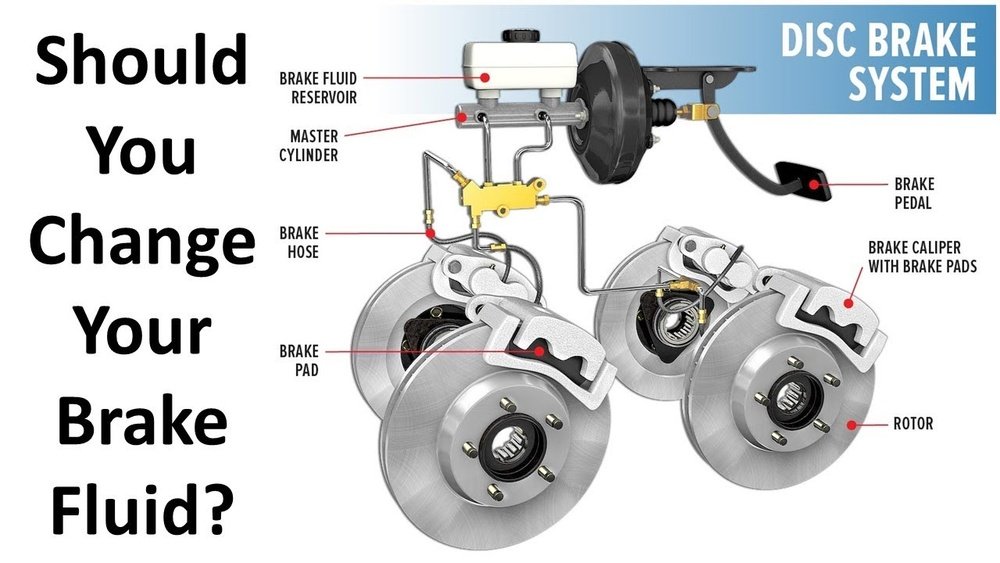
Brake fluid helps transfer force from the brake pedal to the brakes. It works by moving pressure through brake lines to stop the car. There are different types of brake fluid, including DOT 3, DOT 4, and DOT 5.1. Each type has a different boiling point and chemical makeup. Most brake fluids are glycol-based, except DOT 5 which is silicone-based.
Brake fluid is hygroscopic, meaning it absorbs water from the air. This water lowers the fluid’s boiling point. When brakes get hot, the fluid can boil and create vapor. Vapor is compressible, so the brake pedal may feel soft or spongy. Water inside the fluid also causes rust and corrosion in brake parts. Corrosion can damage seals and metal parts, leading to leaks or failure.

Credit: www.youtube.com
Why Change Brake Fluid
Brake fluid absorbs water from the air over time. This moisture lowers its boiling point, making it easier to boil when brakes heat up. Boiling fluid creates vapor bubbles in the brake lines, which compress and cause the brake pedal to feel spongy or go to the floor.
Water in the fluid also causes corrosion inside brake lines, calipers, and the master cylinder. This rust can damage seals and metal parts, leading to leaks and component failure. Stuck or leaking parts reduce brake performance and safety.
Regular brake fluid changes help avoid these problems. Clean fluid keeps the braking system working well and prevents costly repairs.
Signs You Need A Change
A spongy brake pedal feels soft or sinks when pressed. This happens because air or vapor is in the brake lines. It means the brake fluid may have absorbed moisture and lost its strength.
Reduced stopping power means your car takes longer to stop. This is dangerous and shows the brake fluid is old or contaminated. The brakes may not work well in emergencies.
Brake warning lights on your dashboard signal a problem. These lights can turn on if the brake fluid level is low or if the fluid quality is poor. Do not ignore these warnings.
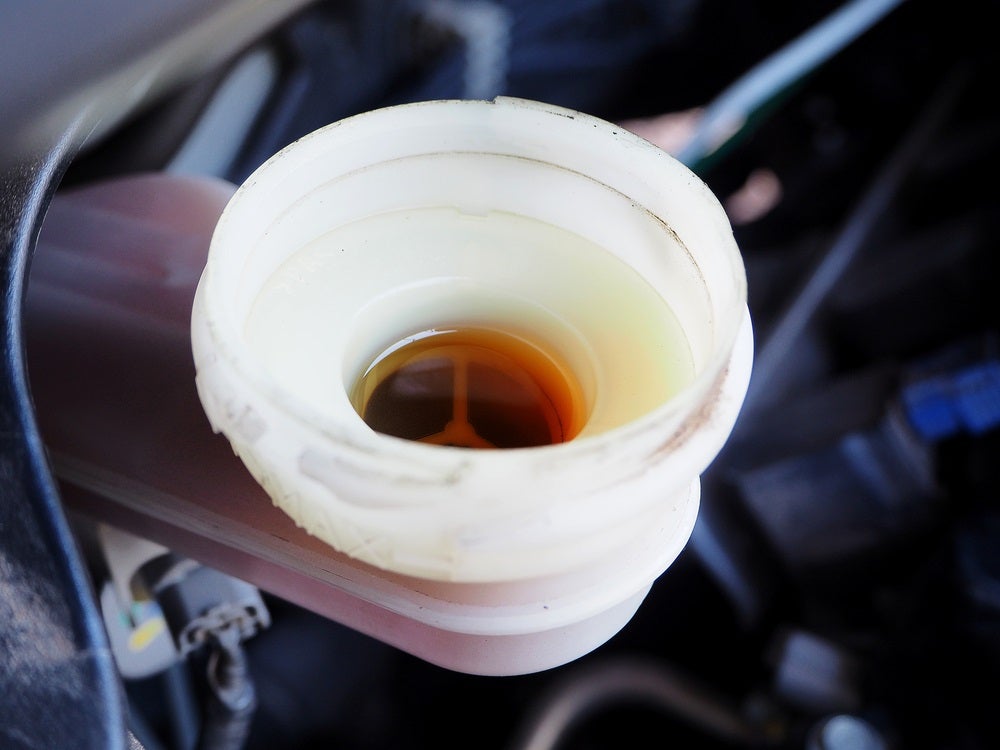
Brake fluid color change is a clear sign. Fresh fluid is usually clear or light yellow. Dark or dirty fluid means it needs to be replaced to keep your brakes safe and working well.
Credit: www.andymohrkia.com
Recommended Change Intervals
Manufacturer guidelines usually suggest changing brake fluid every 2 to 3 years or every 30,000 miles. This helps keep the brake system working well and safe. Some cars may have different recommendations, so checking your owner’s manual is important.
Driving conditions affect how often brake fluid needs to be changed. Harsh driving, such as stop-and-go traffic or mountainous roads, can cause the fluid to wear out faster. Heavy towing or frequent braking also raises the need for more frequent changes.
Professional inspections can catch brake fluid problems early. Mechanics often check brake fluid during regular vehicle service. Testing the fluid’s moisture level and color helps decide if it needs replacement. Experts suggest having brake fluid checked at least once a year.
Consequences Of Neglect
Neglecting brake fluid changes can lead to serious problems. Moisture in the fluid lowers its boiling point, causing brake fade. This means your brakes may not stop the car well when you need them most.
Water causes corrosion inside the brake lines and parts. Rust can damage the ABS system, which helps keep your car stable. Damaged ABS means less control during emergency stops.
Ignoring brake fluid changes often leads to costly repairs. Fixing rusted or broken parts can be expensive. Also, worn parts wear out prematurely, causing more trouble and money spent.
Brake Fluid Change Process
Flushing removes all old brake fluid and replaces it with new fluid. It helps get rid of moisture and dirt that can harm the braking system. Topping up adds fluid only if the level is low but does not remove old fluid or moisture. Flushing is better for keeping brakes safe and working well.
Tools needed include a brake fluid reservoir, wrench, clear tubing, a catch container, and new brake fluid. Safety gloves and eye protection are also important. A helper can press the brake pedal during the process.
| DIY Service | Professional Service |
|---|---|
| Requires some tools and knowledge | Done by experts with proper equipment |
| Can save money | Usually faster and safer |
| Risk of air in brake lines if done wrong | Less chance of errors |
| Good for car owners who like to fix things | Good for those who want convenience |
Tips For Brake Fluid Maintenance
Choosing the right fluid is key for brake safety. Use fluid types recommended by your car maker. Common types include DOT 3, DOT 4, and DOT 5.1. Each has different boiling points and properties. Using the wrong type can harm your brake system.
Monitoring fluid levels regularly helps spot leaks early. Check the brake fluid reservoir monthly. Low fluid may signal worn brake pads or leaks. Keep the fluid between the “min” and “max” marks. Always top up with the correct fluid type.
Avoiding contamination keeps brake fluid clean and effective. Keep the reservoir cap closed tightly. Dirt and moisture can enter and damage the system. Use clean tools when adding fluid. Replace fluid every 2 years or 30,000 miles to prevent moisture buildup.

Credit: www.reddit.com
Frequently Asked Questions
What Happens If You Don’t Change Brake Fluids?
Brake fluid absorbs moisture, lowering its boiling point and causing brake fade. This leads to corrosion, leaks, and costly brake system damage, reducing stopping power and safety.
Is A Brake Fluid Flush Necessary?
A brake fluid flush removes moisture and contaminants, preventing brake fade, corrosion, and costly repairs. Regular flushing ensures safe, effective braking.
Should I Change Brake Fluid Every 2 Years?
Yes, change brake fluid every 2 years to prevent moisture buildup, corrosion, and brake failure. Regular changes ensure safe braking.
How Do I Know If My Brake Fluid Needs Changing?
Check brake fluid color; dark or dirty fluid needs changing. A spongy brake pedal or warning light also signals replacement. Regularly test fluid moisture content for safety.
Conclusion
Changing brake fluid regularly keeps your brakes working well and safe. Brake fluid absorbs water over time, which can cause serious problems. Wet brake fluid lowers its boiling point, making your brakes less effective. This can lead to a soft brake pedal or even brake failure.
Corrosion inside brake parts also happens without fluid changes, causing costly repairs. Experts usually recommend changing brake fluid every two years or as your car’s manual suggests. Staying on schedule protects your vehicle and your safety on the road. Don’t wait—keep your brake fluid fresh for reliable braking every time.
When you purchase a product through Amazon links on carsolutionpro.com, we may earn a small commission at no extra cost to you. This helps support the site and keep our content free. As an Amazon Associate, we earn from qualifying purchases made through our links.