When was the last time you thought about your car’s brake fluid? If you’re like many drivers, it might not be on your regular checklist.
But here’s the truth: brake fluid plays a crucial role in keeping you safe every time you hit the brakes. Ignoring it can lead to serious problems, from reduced braking power to costly repairs. So, how often do you really need to change your brake fluid?
Keep reading to discover the simple answer that could protect you and your vehicle on every drive.

Credit: thegarageba.com
Brake Fluid Basics
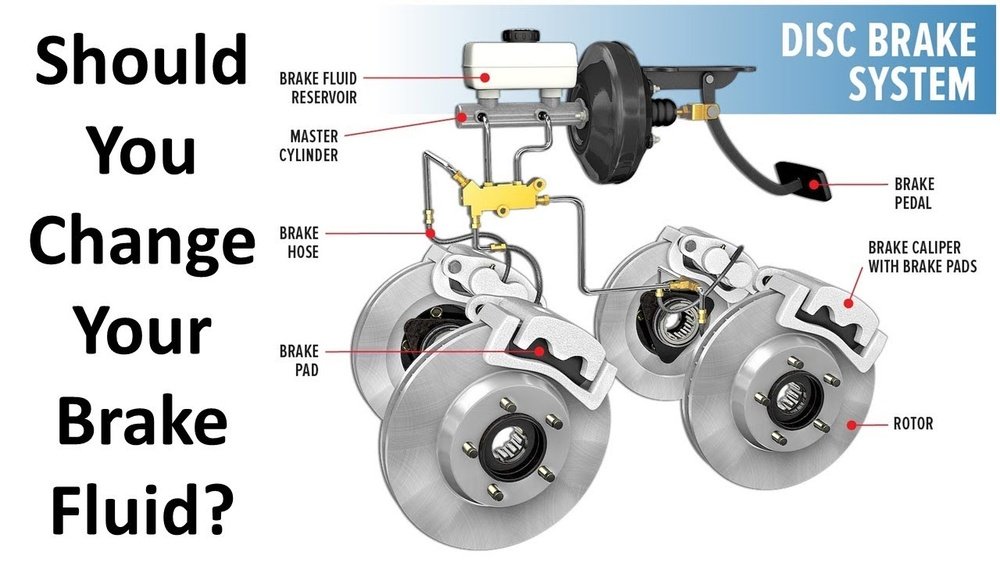
Brake fluid helps stop your car safely. It moves the force from your foot on the brake pedal to the brake parts on the wheels. Without good brake fluid, your brakes may not work well.
There are different types of brake fluid, like DOT 3, DOT 4, and DOT 5. Each type has different boiling points and uses. Using the right type for your car is very important.
Brake fluid works by transferring pressure in the brake system. When you press the brake pedal, the fluid pushes the brake pads to stop the car. Over time, brake fluid can absorb water and get dirty, which makes it less effective.

Credit: www.youtube.com
Signs Of Brake Fluid Issues
A soft or spongy brake pedal means air or moisture got into the brake lines. This makes brakes less effective and can be dangerous. It feels like pressing a sponge instead of a firm pedal.
Strange brake noises such as squealing or grinding can signal brake fluid problems. These sounds often mean the fluid is old or contaminated, affecting braking power.
Visible fluid contamination shows as dark or dirty brake fluid in the reservoir. Clear fluid is good; dark fluid needs changing. Contaminated fluid can cause brake failure.
Recommended Change Intervals
Most car makers say to change brake fluid every 2 to 3 years. This keeps brakes working well. Some say up to 4 or 5 years, but check your owner’s manual first.
Changing brake fluid depends on driving habits. City driving or stop-and-go traffic wears fluid faster. Wet or humid places can make fluid absorb moisture, causing problems.
| Manufacturer Guidelines | Common Timeframes | Driving Conditions Effect |
|---|---|---|
| Check owner’s manual | 2 to 5 years | More frequent changes in city or wet climates |
| Follow mechanic advice | Every 2 to 3 years recommended | Heavy braking or towing may need faster changes |
Risks Of Neglecting Changes
Moisture in brake fluid causes serious problems. It can lead to rust inside the brake system. Rust damages the metal parts and makes brakes unsafe.
Wet brake fluid boils at a lower temperature. This reduces the brake’s stopping power and can cause brake failure.
| Risk | Effect |
|---|---|
| Moisture Absorption | Brake fluid absorbs water from air |
| Brake System Corrosion | Rust forms inside brake parts |
| Reduced Braking Performance | Brakes feel weak or soft |
Delaying brake fluid changes makes driving dangerous. Regular changes keep brakes safe and strong.
Brake Fluid Flush Process
The brake fluid flush process removes old fluid from the brake system. It helps keep brakes working well.
A flush involves draining the old fluid, cleaning the brake lines, and refilling with new fluid. This stops moisture buildup that can cause brake failure.
DIY vs professional service: DIY saves money but needs tools and care. Professionals do the job faster and ensure no air stays in the system.
| Service Type | Estimated Time | Estimated Cost |
|---|---|---|
| DIY | 30-60 minutes | Under $30 (fluid cost) |
| Professional | 30-45 minutes | $70-$120 |
Regularly changing brake fluid keeps your car safe and reliable. Most experts recommend a flush every 2 to 3 years.
Tips For Maintenance
Check brake fluid during regular inspections. Look for color changes or dirt. Clear, light fluid means good condition. Dark or cloudy fluid needs changing soon. Also, check fluid level in the reservoir each time you check oil.
Use the right brake fluid for your vehicle. Common types include DOT 3, DOT 4, and DOT 5.1. Your car manual tells you which one to use. Mixing fluids can cause damage or poor brake performance.
Seek professional help if brakes feel soft or spongy. Strange noises or warning lights also mean it’s time to visit a mechanic. Professionals can flush and replace brake fluid safely and correctly.

Credit: shieldoils.com
Frequently Asked Questions
What Happens If You Don’t Change Brake Fluid?
Not changing brake fluid leads to moisture buildup, causing corrosion and brake failure. It reduces braking efficiency and risks safety.
Is A Brake Fluid Flush Necessary?
Yes, a brake fluid flush is necessary to remove moisture and contaminants, ensuring brake system safety and performance. Replace fluid every two years to prevent corrosion and maintain brake efficiency.
Do You Really Need To Change Brake Fluid Every 2 Years?
Brake fluid absorbs moisture, reducing braking efficiency. Changing it every two years prevents corrosion and maintains safety. Regular checks help ensure optimal brake performance.
How Do You Know If Brake Fluid Needs Changing?
Check brake fluid color; dark or cloudy fluid needs changing. Soft brake pedal or unusual noises also signal a fluid change. Regularly test fluid moisture content every two years to ensure safety and performance.
Conclusion
Regular brake fluid changes keep your car safe and working well. Most experts suggest changing brake fluid every two to three years. Old fluid can hold water and cause brake problems. Check your brake fluid during routine car services. Clean brake fluid helps your brakes respond quickly.
Don’t wait for signs of trouble to act. Staying on schedule protects your safety and your vehicle. Simple care now saves costly repairs later. Keep your brakes healthy—change the brake fluid as recommended.
When you purchase a product through Amazon links on carsolutionpro.com, we may earn a small commission at no extra cost to you. This helps support the site and keep our content free. As an Amazon Associate, we earn from qualifying purchases made through our links.