Have you ever wondered how many tie rods your car actually has and why they’re so important? If you’ve felt your steering wheel wobble or noticed uneven tire wear, the issue might lie with these small but crucial parts.
Tie rods connect your steering system to your wheels, helping you control your car’s direction smoothly and safely. But how many tie rods does a typical car have? And what signs should you watch for to know if they need attention?
Keep reading to uncover everything you need to know about tie rods—understanding them could save you from costly repairs and keep your drives safe and steady.
Tie Rod Basics
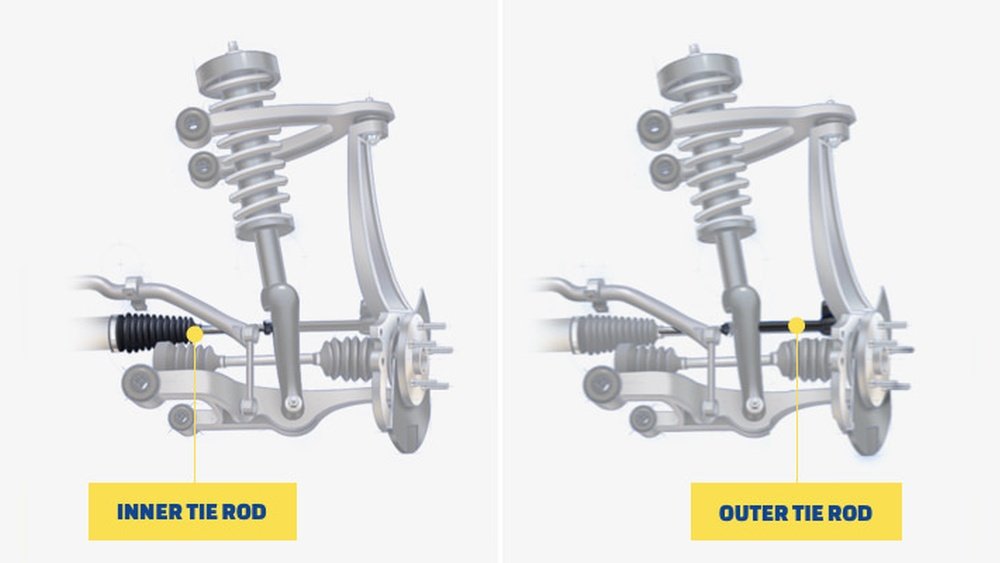
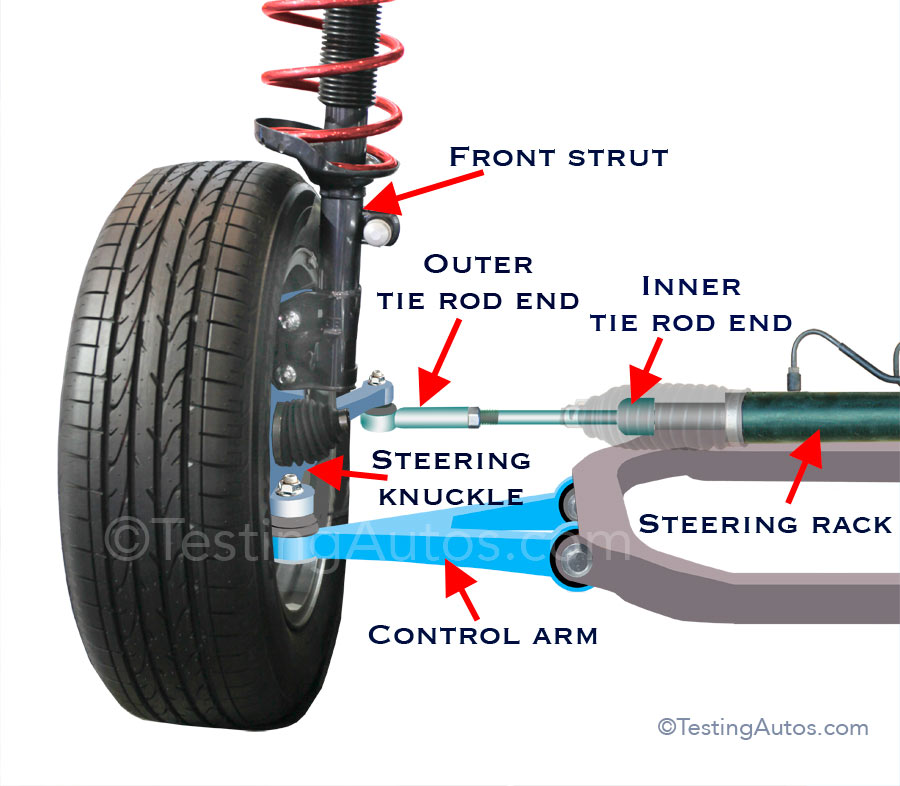
Tie rods are key parts of a car’s steering system. They link the steering rack to the wheels. Each front wheel has two tie rods: an inner and an outer tie rod end. The inner tie rod attaches to the steering rack, while the outer tie rod connects to the wheel’s steering knuckle.
The tie rods work together to help turn the wheels when the steering wheel moves. They keep the wheels aligned and ensure smooth steering. The inner tie rod handles the connection to the car’s steering mechanism, while the outer tie rod end controls the wheel’s movement.
| Type | Location | Function |
|---|---|---|
| Inner Tie Rod | Connected to steering rack | Transfers steering force |
| Outer Tie Rod End | Connected to wheel knuckle | Turns the wheel |

Credit: amarineblog.com
Number Of Tie Rods On A Car
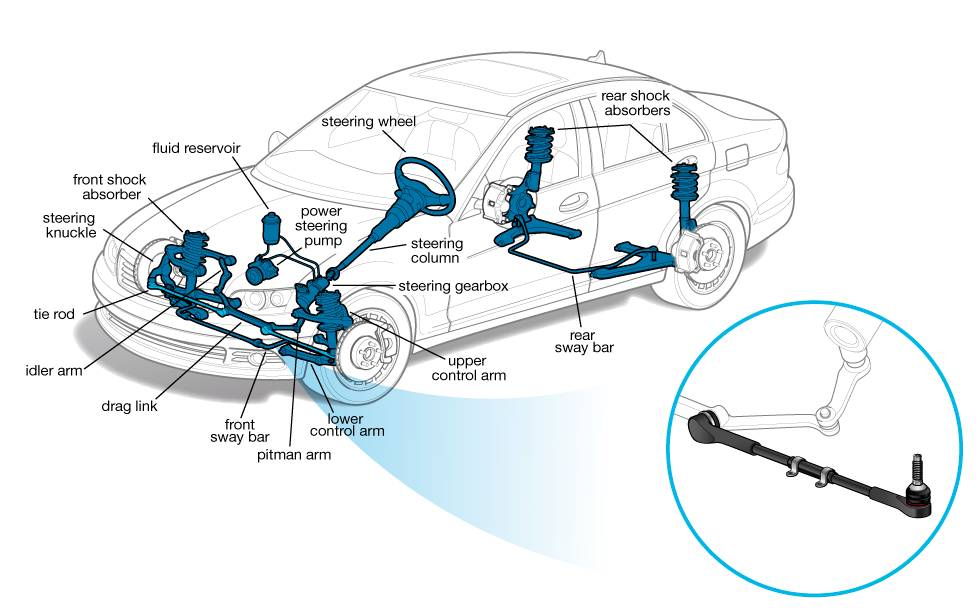
Most cars have two tie rods on the front wheels. These connect the steering rack to the steering knuckles. This setup helps the car turn smoothly. Each front wheel has an inner and outer tie rod end. The tie rods work together to move the wheels left or right when you turn the steering wheel.
Some vehicles also have rear tie rods. These are found in cars with rear-wheel steering or certain all-wheel-drive systems. Rear tie rods help improve stability and handling during turns. However, most standard cars only have tie rods on the front wheels.
Signs Of Worn Tie Rods
Steering wheel issues often signal worn tie rods. The wheel might feel loose or shaky. You may notice a delay when turning the wheel before the car responds. This can make driving unsafe and uncomfortable.
Uneven tire wear is another common sign. Tires may wear more on one side than the other. This happens because worn tie rods cause poor wheel alignment. Uneven wear shortens tire life and can lead to costly repairs.
Unusual noises like clunking, knocking, or popping sounds often come from bad tie rods. These sounds occur especially when turning or driving over bumps. They mean the tie rod joints have too much play and need attention.
Credit: www.cars.com
Checking Tie Rod Condition
Start by examining the tie rod boots for any visible tears, cracks, or leaks. These boots protect the tie rod joints from dirt and moisture. Damaged boots allow contaminants inside, causing wear and failure.
Check if the boots appear dry or brittle. This can lead to cracking during movement. Also, look for any grease leaks around the boots, which may mean the seal is broken.
Small holes or splits in the boots let dirt enter and grease escape. This causes joint wear and loose steering. Look for loose or hanging boots too, as they might no longer protect the joint well.
Keeping boots in good shape helps the tie rods last longer and keeps steering safe and responsive.
Tie Rod Maintenance And Replacement
Replace tie rods if steering feels loose or shaky. Uneven tire wear also signals worn tie rods. Listen for clunking or knocking noises when turning or driving on bumps. These signs mean tie rods need attention.
DIY replacement is possible but requires tools and skills. Use a jack, wrenches, and alignment tools. Follow safety steps to avoid injury. A wrong job can cause poor steering and tire wear.
Professional service ensures correct installation and alignment. Mechanics check all steering parts and test drive the car. This saves time and prevents mistakes. Costs more but offers peace of mind.
| Aspect | DIY | Professional Service |
|---|---|---|
| Tools Needed | Jack, wrenches, alignment tools | Workshop tools, diagnostic machines |
| Skill Level | Medium to high | Expert |
| Time Required | Several hours | 1-2 hours |
| Cost | Low (parts only) | Higher (parts + labor) |
| Risk | Possible mistakes, poor alignment | Low, professional guarantee |
Credit: www.testingautos.com
Frequently Asked Questions
Are Tie Rods On All Four Tires?
Tie rods connect the steering rack to front wheels only. Rear wheels usually lack tie rods since they don’t steer.
How Do You Know If Your Tie Rods Are Bad?
Bad tie rods cause loose, shaky steering, uneven tire wear, and clunking noises when turning or hitting bumps. Check for wheel play and damaged boots.
How Many Tie Rods Does My Car Have?
Most cars have two tie rods per front wheel: one inner and one outer, totaling four tie rods. Rear wheels usually lack tie rods. Tie rods connect the steering rack to the wheels, enabling smooth steering control. Check your vehicle manual for exact numbers, as designs vary by model.
Are Tie Rods Only In The Front?
Tie rods are usually only in the front, connecting the steering rack to the front wheels for directional control.
Conclusion
A car usually has two tie rods, one for each front wheel. These parts connect the steering rack to the wheels. They help you steer the car smoothly and safely. Worn or damaged tie rods can cause loose steering or uneven tire wear.
Check them regularly for any signs of wear. Fixing bad tie rods keeps your car safe and your drive comfortable. Understanding this simple fact helps you maintain your vehicle better. Keep an eye on these small but important parts.
When you purchase a product through Amazon links on carsolutionpro.com, we may earn a small commission at no extra cost to you. This helps support the site and keep our content free. As an Amazon Associate, we earn from qualifying purchases made through our links.