When it comes to your car’s safety, knowing exactly when to replace your brake pads is crucial. You might be wondering, “How many millimeters (mm) should my brake pads be before I get them replaced?” This simple measurement can save you from costly repairs and keep you safe on the road.
You’ll discover the ideal brake pad thickness, why it matters, and clear signs that it’s time for a change. Don’t wait until you hear the dreaded squeal or feel the grinding—learn how to check your brake pads now and protect yourself and your vehicle.
Keep reading to find out the exact mm that signal it’s time for new brake pads.
Brake Pad Thickness Limits
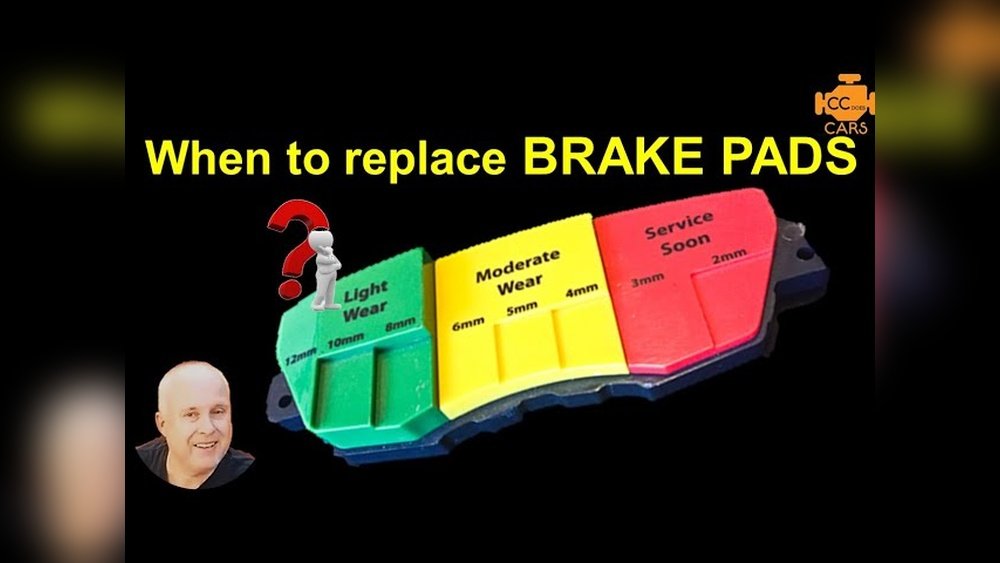
Brake pads have a minimum thickness limit to keep your car safe. Most car makers say to replace pads when they reach about 3 millimeters thick. Some even suggest changing them at 4 millimeters for better safety.
Keeping a safety margin means not waiting until pads are too thin. Thin pads can cause damage to the rotors, which costs more to fix. If the pad wears down to the metal backing, it can seriously harm your brakes.
| Manufacturer Recommendations | Minimum Thickness (mm) |
|---|---|
| Most car makers | 3 mm |
| Safety experts | 4 mm |
| Risk limit (metal backing) | 0 mm (replace before this) |
Check pads regularly. Listen for noise or see warning lights. Replace pads early to avoid bigger problems.
Signs Of Worn Brake Pads
Squealing and grinding noises often mean brake pads are worn out. The squeal is a warning sound from the wear indicator. Grinding means the pads are too thin and metal touches metal. This can damage the rotors and cost more to fix.
Brake warning lights on the dashboard signal brake problems. These lights come on when the brake pads are very thin or there is a system fault. They should never be ignored for safety reasons.
Reduced braking performance feels like the brakes don’t stop the car well or the pedal feels soft. This happens when pads get too thin and lose their grip. It is dangerous and needs quick attention.
Risks Of Ignoring Wear
Brake pads that wear too thin can cause rotor damage. The metal backing of the pads may touch the rotor surface. This contact leads to deep grooves and scratches, which are costly to fix. Replacing rotors is more expensive than brake pads alone.
Increased repair costs come from fixing both pads and rotors. Ignoring worn pads causes damage that grows worse over time. Repair bills can quickly add up.
Compromised safety is the biggest risk. Thin brake pads reduce stopping power. This can lead to longer stopping distances and accidents. Driving with worn pads puts everyone at risk.

Credit: community.cartalk.com
Measuring Brake Pad Thickness
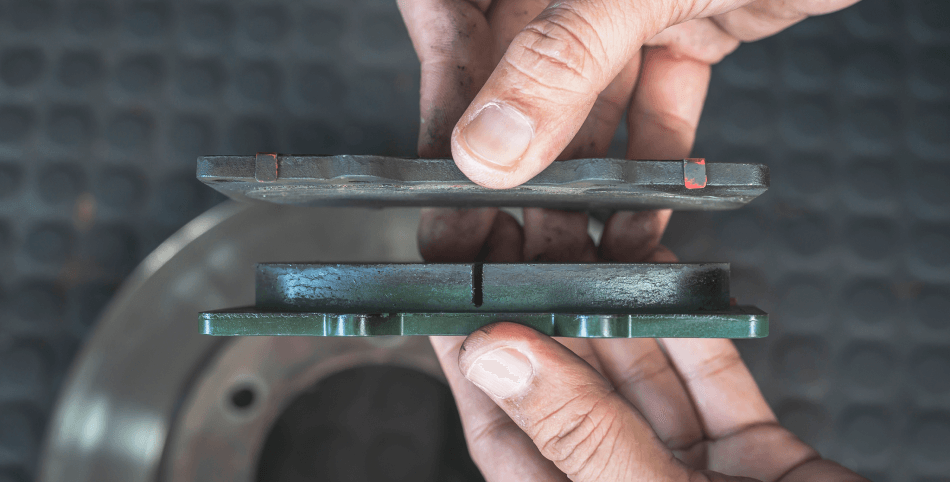
Tools needed include a ruler or brake pad gauge and a flashlight. These help measure brake pad thickness easily. A brake pad is usually replaced when it is less than 3 mm thick. Some cars recommend replacement at 2 mm. It is important to check thickness regularly to stay safe.
Step-by-step measurement: First, park your car on a flat surface and turn off the engine. Use the flashlight to see the brake pads through the wheel spokes. Place the ruler or gauge against the brake pad and note the thickness. Compare it to the minimum thickness suggested by your car’s manual.
When to schedule inspections: Have your brake pads checked every 10,000 to 15,000 miles. If you hear squeaking or grinding noises, schedule an inspection immediately. Also, if the brake warning light comes on, get the brakes checked right away.
Replacement Guidelines
Brake pads should be replaced when their thickness reaches about 3 mm. Many experts say 2-3 mm is the minimum thickness for safe driving. Driving with thinner pads can damage rotors and increase repair costs.
Check brake pads every 10,000 to 15,000 miles or at least twice a year. Frequent checks help catch wear early and keep your car safe. Look for signs like noise, vibration, or warning lights.
| Replacement Type | Advantages | Disadvantages |
|---|---|---|
| Professional | Skilled work, proper tools, warranty | Costs more, time at shop |
| DIY | Save money, learn car maintenance | Needs tools, risk of mistakes |
Credit: www.trodo.com
Brake Pad Bedding Process
Bedding brake pads is a key step after replacement. It helps the pads and rotors work well together. Proper bedding makes braking smoother and safer.
Importance of bedding: It helps the brake pads wear evenly. This stops noises and increases pad life. Bedding also improves brake power and reduces vibrations.
Proper bedding techniques: Start by driving slowly and braking gently. Repeat this 10-15 times. Avoid hard stops during this time. Let brakes cool down between stops. This helps heat spread evenly.
Driving tips after replacement: Avoid heavy braking for the first 200 km (about 125 miles). Drive smoothly and keep a safe distance. Check brake performance regularly during this period.

Credit: www.brakestoyou.com
Frequently Asked Questions
Is 4 Mm On Brake Pads Ok?
4 mm brake pad thickness is low and requires replacement soon for safety and optimal braking. Worn pads risk rotor damage and reduced performance.
Is 3 Mm On Brake Pads Ok?
3 mm brake pad thickness is low and requires replacement soon. Worn pads reduce braking performance and risk rotor damage. Replace pads before reaching 3 mm for safety and optimal braking.
Is 2mm Too Low For Brake Pads?
Yes, 2mm is too low for brake pads. Replace them soon to maintain safe braking and avoid rotor damage.
What Is The 30/30/30 Rule For Brakes?
The 30/30/30 rule for brakes means heating the rotors for 30 seconds, cooling for 30 seconds, then applying brakes gently for 30 seconds. This process helps prevent warping and ensures even brake pad seating.
Conclusion
Brake pads should be replaced when thickness reaches about 3 millimeters. Thin pads reduce braking power and increase risk. Driving with worn pads can damage rotors and cost more to fix. Regular checks help keep brakes safe and working well.
Listen for noises and watch for warning lights. Don’t wait until pads are too thin. Staying on top of brake maintenance protects you and others on the road. Keep your vehicle safe by replacing brake pads on time.
When you purchase a product through Amazon links on carsolutionpro.com, we may earn a small commission at no extra cost to you. This helps support the site and keep our content free. As an Amazon Associate, we earn from qualifying purchases made through our links.