When it comes to your vehicle’s safety, brake pads play a crucial role. But how do you know when they need replacing?
One key factor is their thickness, measured in millimeters (mm). If your brake pads are too thin, your stopping power decreases, putting you and others at risk. You might be wondering: how many millimeters should brake pads be to keep your car safe and performing well?
You’ll discover the ideal brake pad thickness, why it matters, and how to check your pads before it’s too late. Keep reading to learn how maintaining the right brake pad thickness can save you money and protect your safety on the road.
Brake Pad Thickness Basics
Brake pads usually start with a thickness of about 10 to 12 mm. The standard thickness range for new pads is around this size. Most mechanics say 6 mm is the minimum safe thickness. Below this, pads should be replaced to avoid damage.
Thin brake pads can cause poor braking and longer stopping distances. Worn pads may also damage the rotors, leading to costly repairs. Factors like driving style, road conditions, and vehicle type affect how fast pads wear out.
| Pad Condition | Thickness (mm) | Action |
|---|---|---|
| New | 10-12 | Good to use |
| Used | 6-10 | Monitor regularly |
| Minimum Safe | 4-6 | Replace soon |
| Too Thin | Below 4 | Replace immediately |
Signs To Replace Brake Pads
Visual inspection helps find worn brake pads early. Look for less than 3mm thickness, which means pads need changing. Check if pads are uneven or cracked. Thin pads reduce braking power and can damage rotors.
Performance indicators include longer stopping distance and a soft brake pedal. If the car pulls to one side while braking, pads might be worn or uneven. Feeling vibration or pulsation during braking also signals problems.
Common warning noises are squealing or grinding sounds. Squealing means pads are thin and need attention soon. Grinding noise means metal is touching the rotor, which can cause damage. Strange noises should never be ignored for safety.
Measuring Brake Pad Thickness
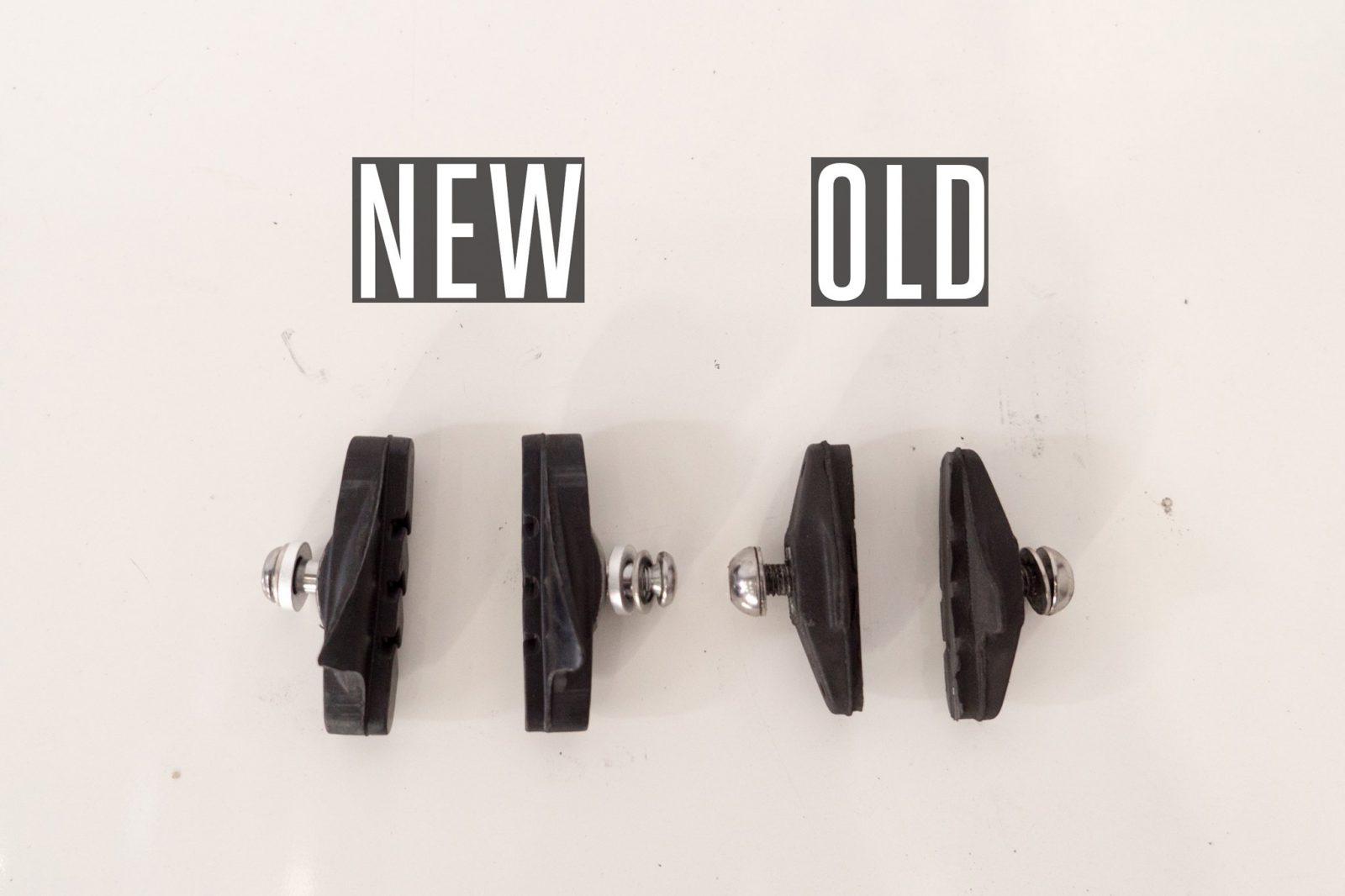
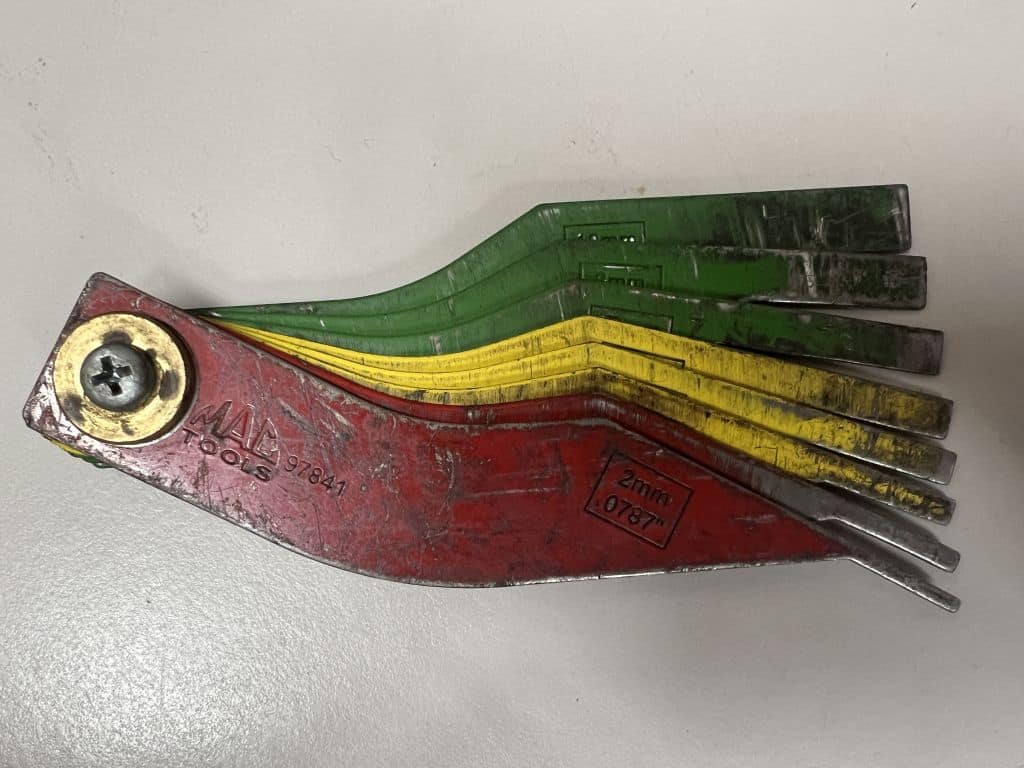
Tools needed include a brake pad gauge or a ruler with millimeter markings. A flashlight helps to see clearly inside the wheel. Safety gloves protect your hands during the check.
Start by removing the wheel to access the brake pads. Use the gauge to measure the thickness of the pad material, not the metal backing. Check at several points to find the thinnest spot.
Brake pads should be at least 3 millimeters thick to work well. Pads thinner than this need replacement to keep brakes safe and effective.
Seek professional help if you cannot measure safely or if pads look uneven or damaged. A mechanic can check the whole brake system and replace parts if needed.
Credit: carfromjapan.com
Consequences Of Worn Brake Pads
Worn brake pads create serious safety risks. They reduce the car’s ability to stop quickly, increasing accident chances. Thin pads cause longer stopping distances and less control.
Damaged brake pads also harm the rotors. When pads wear out, metal parts touch the rotors. This leads to scratches, grooves, or warping. Repairing or replacing rotors costs much more than new pads.
Cost implications rise with delayed replacement. Cheap brake pads prevent expensive rotor damage and brake system repair. Ignoring worn pads leads to higher bills and longer repair times.
Brake Pad Replacement Guidelines
Brake pads should be replaced when their thickness reaches about 3 mm or less. Most new pads start at around 10-12 mm thick. Driving with pads thinner than 3 mm can reduce braking power and increase stopping distance.
Brake rotors often wear out slower than pads but should be checked together. If rotors are scored or warped, replacing them along with pads is best. This helps keep braking smooth and safe.
Choosing professional replacement ensures correct installation and safety. Professionals have the right tools and knowledge. DIY replacement is possible but requires care, proper tools, and following instructions closely to avoid mistakes.
Credit: artsautomotive.com
Brake Bedding-in Process
Bedding-in brake pads helps the resin cure and form a thin transfer layer on rotors. This layer makes brakes work better and last longer. Proper bedding avoids problems like warped rotors or glazed pads, which reduce stopping power.
Start by making several gentle stops from low speeds. Avoid hard braking during the first few hundred miles. This process helps pads and rotors wear evenly and stay cool. Even wear means safer and more reliable braking.
| Step | Action | Reason |
|---|---|---|
| 1 | Drive gently and brake lightly | Lets pads and rotors heat up slowly |
| 2 | Make several stops from moderate speed | Helps transfer film form evenly |
| 3 | Avoid hard braking for 300 miles | Prevents glaze and warping |
Maintenance Tips For Brake Longevity
Gentle driving habits greatly help protect brake pads. Avoid sudden stops and long, hard braking. Smooth driving reduces wear and tear. Driving at steady speeds also helps pads last longer.
Brake pads should be checked regularly. A good schedule is every 10,000 miles or at least twice a year. Early detection of thin pads prevents damage to rotors.
| When to Upgrade Brake Components | Reason |
|---|---|
| Brake pad thickness below 3mm | Pads are too thin, less effective |
| Rotors are worn or scored | Replace to avoid vibration and noise |
| Brake fluid contamination | Affects braking performance |

Credit: www.youtube.com
Frequently Asked Questions
Should I Replace Brake Pads At 4mm?
Replace brake pads at 4mm to maintain safety and prevent rotor damage. Worn pads reduce braking efficiency and increase repair costs.
How Long Will 3mm Front Brake Pads Last?
3mm front brake pads typically last 1,000 to 2,000 miles. Replace them soon to maintain safe braking performance.
Do 2mm Brake Pads Need To Be Replaced?
Yes, 2mm brake pads need replacement immediately. They are dangerously worn and compromise braking safety and performance.
What Is The 30/30/30 Rule For Brakes?
The 30/30/30 rule for brakes means: apply moderate brake pressure for 30 seconds, rest for 30 seconds, repeat 30 times. This helps bed in new brake pads and rotors evenly for optimal performance and longevity.
Conclusion
Brake pads should be at least 3 millimeters thick to stay safe. Thin pads reduce braking power and increase risks. Regularly check pad thickness to avoid costly repairs. Replacing brake pads on time keeps your car stopping well. Proper brake maintenance protects you and others on the road.
Don’t wait until pads are too thin to act. Safe driving starts with good brake care every time.
When you purchase a product through Amazon links on carsolutionpro.com, we may earn a small commission at no extra cost to you. This helps support the site and keep our content free. As an Amazon Associate, we earn from qualifying purchases made through our links.