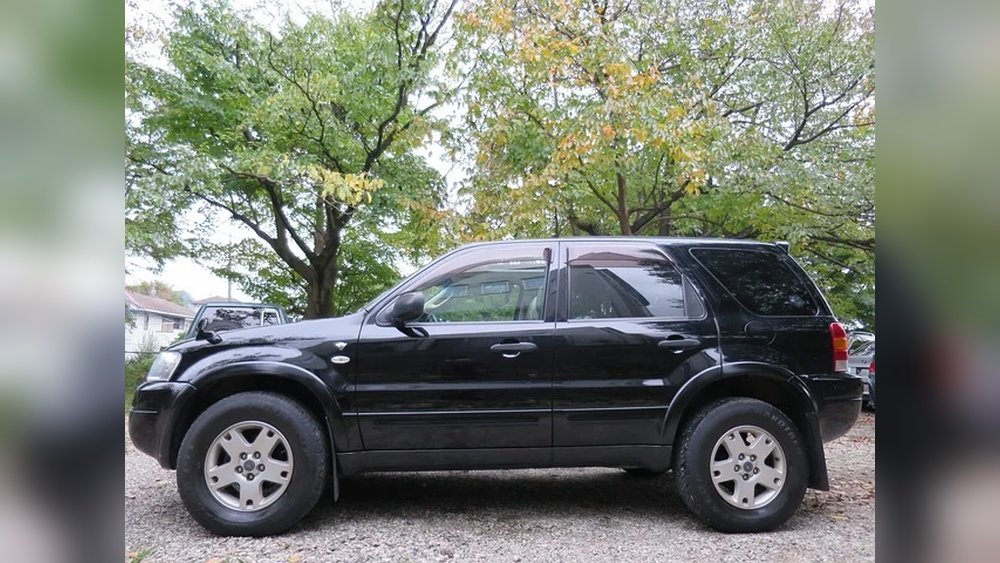
If you’re thinking about buying a Ford Escape or already own one, you probably wonder: how long will your Escape really last? Knowing the answer can help you plan your budget and decide when to upgrade.
The lifespan of your Ford Escape depends on several key factors like maintenance, driving habits, and even where you live. You’ll discover what influences your SUV’s durability, which model years to watch out for, and practical tips to make your Escape run smoothly for years.
Keep reading to unlock the secrets of getting the most life out of your Ford Escape.

Credit: highlandford.com
Ford Escape Lifespan
The average mileage a Ford Escape can reach is about 200,000 to 250,000 miles. This depends a lot on how well it is taken care of. With regular maintenance, many Ford Escapes run smoothly past 200,000 miles.
On average, a Ford Escape lasts about 10 to 15 years on the road. Some may last longer if they get good care and gentle driving. Harsh conditions or poor maintenance can shorten this time.
Factors Impacting Longevity
Maintenance routine is key to a Ford Escape’s lifespan. Regular oil changes, tire rotations, and fluid checks keep the engine healthy. Fixing problems like transmission issues early helps avoid costly repairs. Missing maintenance can shorten your car’s life.
Driving habits greatly affect how long the car lasts. Hard braking, fast acceleration, and speeding wear out the engine and transmission faster. Gentle driving reduces stress on parts and helps the vehicle last longer.
Environmental conditions also play a big role. Rough roads and extreme weather, such as very hot or cold climates, cause more wear. Areas with road salt can lead to rust if the car is not washed often.
Model year differences matter as well. Newer Ford Escapes often have better technology and materials. Older models may require more care to keep them running well over time.
Maintenance Tips
Following the service schedule is key to keeping a Ford Escape running well. Regular oil changes, tire rotations, and fluid checks help avoid big problems. Sticking to the manual’s recommended times keeps the engine healthy.
Washing the car often removes dirt and salt that cause rust. This is especially important in places with snow or near the ocean. Clean cars last longer and look better.
Driving gently protects the vehicle’s parts. Avoid hard braking and fast acceleration. Smooth driving lowers wear on the engine and brakes, helping the car last many years.
Protecting the car from weather damage is also important. Parking in a garage shields the vehicle from sun, rain, snow, and ice. This prevents paint fading and rust.

Credit: www.camclarkfordrichmond.com
Model Years To Avoid
The 2005 Ford Escape had serious rust and steering problems. Many owners faced early corrosion and unsafe steering. The 2008 model struggled with transmission slipping and steering faults. These issues caused costly repairs.
The 2013-2014 models often showed engine stalling and transmission failures. These faults made driving unreliable. For 2016-2017, many reported cooling system leaks and transmission jerks. These problems could lead to engine overheating.
Ford Escapes from 2020-2021 had oil leaks and electrical faults. These faults affected engine performance and car electronics. The newest 2022-2023 models had complaints about interior quality and transmission shifting.
| Model Year | Main Issues |
|---|---|
| 2005 | Rust and Steering Problems |
| 2008 | Transmission and Steering Problems |
| 2013-2014 | Engine and Transmission Faults |
| 2016-2017 | Cooling and Transmission Issues |
| 2020-2021 | Oil Leaks and Electrical Faults |
| 2022-2023 | Interior and Transmission Concerns |
Common Problems By Year
Rust and structural failures often appear in older Ford Escapes. Salt and moisture cause metal to weaken. This can make the car unsafe to drive. Regular washing helps prevent rust.
Transmission slipping is a common issue, especially after many miles. This causes rough shifting or delayed gear changes. Fixing it early can save costly repairs later.
Engine fires and stalling happen rarely but are serious. Faulty wiring or fuel leaks may cause these problems. Keep an eye on warning lights and strange smells.
Coolant leaks and overheating can damage the engine fast. Watch for low coolant levels or steam from the hood. Regular coolant checks keep the engine cool and safe.
Electrical malfunctions affect lights, sensors, and power windows. These issues can cause inconvenience and safety risks. Battery and wiring checks help avoid sudden failures.
Infotainment system glitches may frustrate drivers. Problems include frozen screens or loss of sound. Software updates often fix these bugs quickly.

Credit: www.cardealcanada.ca
Maximizing Ford Escape Lifespan
Consistent maintenance keeps a Ford Escape running longer. Oil changes, tire rotations, and fluid checks are key. Fix transmission issues early to avoid big repairs.
Avoid harsh driving. Hard braking, fast acceleration, and speeding wear out the engine and parts faster. Gentle driving helps the car last more miles.
Protect from harsh weather. Extreme heat, cold, and road salt cause rust and damage. Washing the car often and parking in a garage helps prevent this.
Choose reliable model years. Some Ford Escape years have fewer problems. Research and pick models known for durability to get more years out of your vehicle.
Frequently Asked Questions
What Is The Average Lifespan Of A Ford Escape?
The average lifespan of a Ford Escape ranges from 150,000 to 200,000 miles with proper maintenance. Regular servicing and gentle driving extend its durability. Environmental factors and model year also influence longevity.
What Year Of Ford Escape Should I Stay Away From?
Avoid the 2008 Ford Escape due to transmission and steering issues. Also skip 2013-2014, 2020-2021, 2016-2017, and 2022-2023 models for reliability and electrical problems. The 2005 model has severe rust and subframe failures affecting safety.
What Is High Mileage For A Ford Escape?
High mileage for a Ford Escape typically exceeds 150,000 miles. Proper maintenance can extend its life beyond 200,000 miles.
Can A Ford Escape Hit 200,000 Miles?
Yes, a Ford Escape can reach 200,000 miles with regular maintenance and careful driving. Proper care extends its lifespan effectively.
Conclusion
A Ford Escape can last over 200,000 miles with good care. Regular maintenance keeps it running smoothly and avoids big repairs. Gentle driving helps protect the engine and transmission. Washing the car often prevents rust, especially in harsh weather. Parking in a garage also reduces wear from sun and cold.
Some model years have more issues, so research before buying. Taking simple steps extends your Escape’s life and saves money. Drive smart, stay on schedule, and enjoy your vehicle longer.
When you purchase a product through Amazon links on carsolutionpro.com, we may earn a small commission at no extra cost to you. This helps support the site and keep our content free. As an Amazon Associate, we earn from qualifying purchases made through our links.