If you’ve noticed oil leaks or a burning smell under your hood, your valve cover gasket might be the culprit. But how long does it take to replace this small yet important part?
Whether you’re a DIY enthusiast or just curious about the repair process, understanding the time involved can help you plan your day and avoid unexpected surprises. You’ll discover the typical time frame for replacing a valve cover gasket, what factors can speed up or slow down the job, and expert tips to make the process smoother.
Keep reading to learn exactly what to expect and how to get your engine sealed up right without wasting time or money.

Credit: www.youtube.com
Time Required
The average time to replace a valve cover gasket usually ranges from 1 to 3 hours. This depends on the vehicle model and engine layout. Some cars are simple, with easy access to the valve cover. Others have parts that block access, making the job longer.
Factors affecting the time include:
- Engine design: Top-mounted valve covers are faster to reach.
- Blocked access: Intake manifolds or other parts may need removal.
- Condition of old gasket: A stuck gasket takes more time to remove.
- Additional seals: Some engines have extra spark plug tube seals.
- Tools and experience: Proper tools and skill speed up the process.
Simple engines might take about 1 hour. Complex setups can need 2 to 3 hours or more.
Job Difficulty
Replacing a valve cover gasket is usually easy to moderate in difficulty. The valve cover sits on top of the engine, making it more accessible than many parts. Most bolts holding the gasket are simple to remove and rarely stuck.
For many cars, only a few parts like ignition coils or hoses need removal. This keeps the process straightforward and quick. But some cases are tougher.
| Common Challenges | Why It Makes the Job Harder |
|---|---|
| Intake manifold covers valve cover | Manifold removal needed, disconnecting fuel and vacuum lines |
| Unusual engine layout | Valve cover on engine sides, harder to reach |
| Stuck or brittle gasket | Needs careful scraping to avoid damage |
| Extra seals for spark plug tubes | Adds extra steps to the process |
Engine Variations
The time to replace a valve cover gasket depends on the engine type. Standard layouts usually take about 1 to 2 hours. These engines have the valve cover on top, making it easy to reach and remove.
Complex engine designs need more time. Some engines have parts like the intake manifold covering the valve cover. This means removing extra parts like fuel lines and hoses. It can take 3 hours or more.
Engines with side valve covers, like some Subarus, are harder to access. Removing old, stuck gaskets can add more time. Also, some gaskets include extra seals for spark plug tubes, increasing the job length.
| Engine Type | Typical Time | Notes |
|---|---|---|
| Standard Layout | 1 – 2 hours | Easy access, fewer parts to remove |
| Complex Design | 3+ hours | Intake manifold removal, extra seals |
| Side Valve Cover Engines | 3+ hours | Harder access, more careful gasket removal |
Credit: www.familyhandyman.com
Step-by-step Process
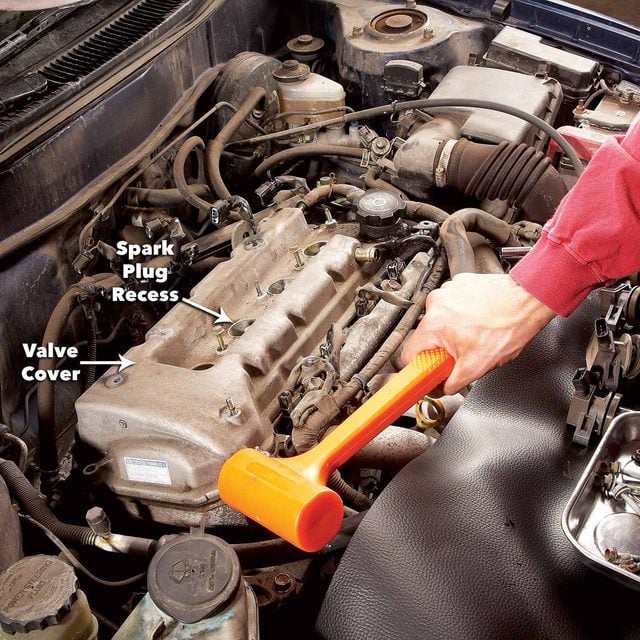
Preparation and Cleaning involves disconnecting the battery and removing any parts blocking the valve cover. Clean the valve cover and engine surface well. Dirt or oil can stop the new gasket from sealing properly.
Removing Components means taking off bolts and parts like ignition coils or hoses. Keep the bolts safe and note where each part goes. This helps during reassembly.
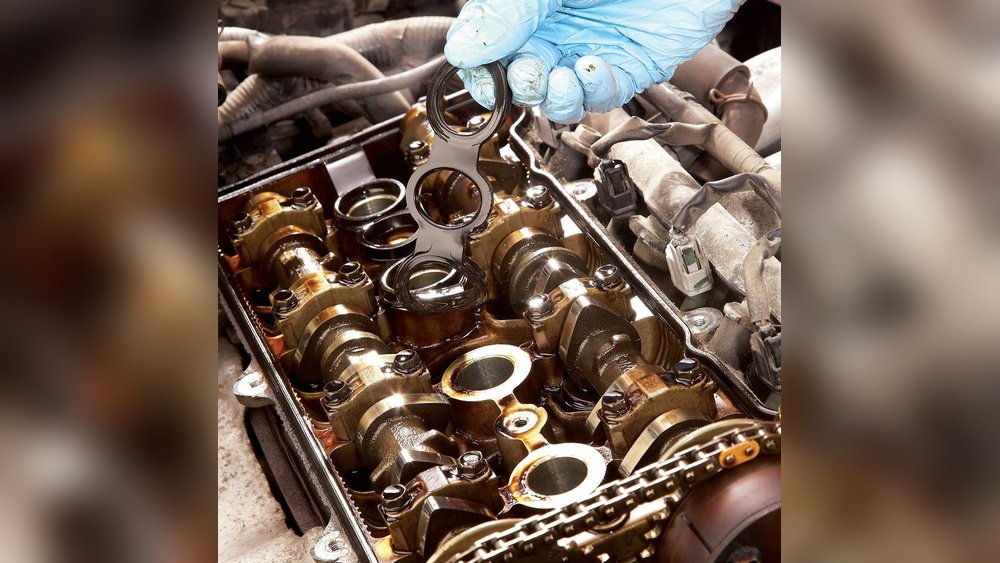
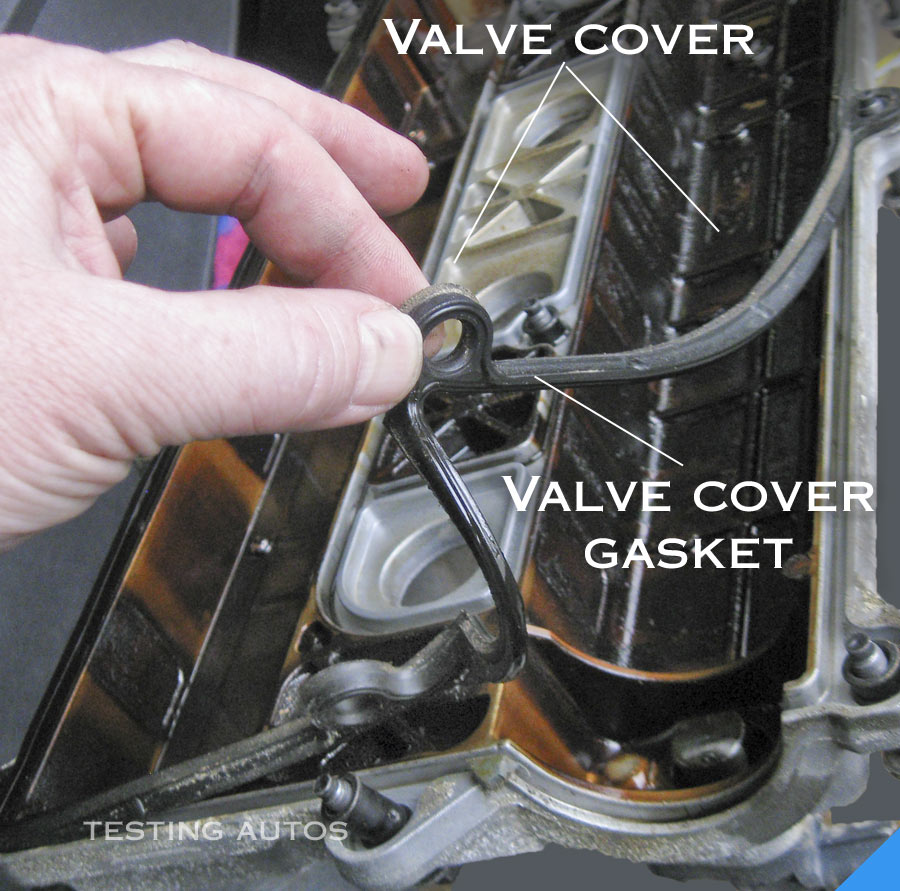
Gasket Replacement requires careful removal of the old gasket. Use a plastic scraper to avoid damage. Place the new gasket evenly and firmly on the valve cover.
Reassembly Tips include tightening bolts in a criss-cross pattern. Do not over-tighten bolts to prevent warping the cover. Reattach all removed parts and reconnect the battery.
Tools And Materials
Essential tools for replacing a valve cover gasket include a socket wrench set, screwdrivers, and a gasket scraper. A torque wrench helps tighten bolts to the correct level. A clean rag or shop towels are useful for wiping surfaces.
Recommended materials include a new valve cover gasket that fits your engine model. Using gasket sealant may help in some cases but check your vehicle’s manual. Cleaning solvent helps remove old gasket residue and oil.
| Tools | Materials |
|---|---|
| Socket wrench set | Valve cover gasket |
| Screwdrivers | Gasket sealant (optional) |
| Gasket scraper | Cleaning solvent |
| Torque wrench | Shop towels or rags |
Common Mistakes
Surface damage often occurs from improper cleaning or careless scraping. Scraping too hard can harm the valve cover surface. This leads to poor gasket sealing and leaks. Using the wrong tools can worsen the damage. Always use a plastic scraper or soft brush.
Improper bolt tightening is another common mistake. Over-tightening bolts can crack the valve cover or crush the gasket. Under-tightening causes the gasket to leak oil. Follow the manufacturer’s torque specs carefully. Tighten bolts in a crisscross pattern to spread pressure evenly.
Additional Tips
Cleaning the valve cover and surrounding parts is vital for a good seal. Use a soft brush or cloth to remove dirt and oil. Avoid harsh chemicals that may damage the gasket surface. A clean surface ensures the new gasket fits tightly and prevents leaks.
Consult repair manuals for your car model. They provide step-by-step instructions and torque specs for bolts. This helps avoid mistakes during replacement. Manuals often include tips on cleaning and reassembly. Having the correct information saves time and effort.
Credit: www.testingautos.com
When To Seek Help
Complex engine issues often require professional help. Some engines have parts blocking the valve cover. Removing these parts can be tricky and needs special skills. Lack of the right tools or experience can cause mistakes.
Without proper tools, bolts might be hard to remove. You may also damage parts if you try without knowledge. A mechanic knows how to handle stuck gaskets and extra seals safely.
Choosing help avoids engine damage and saves time. It ensures the new gasket fits well and stops leaks. Trust experts if the job seems too hard.
Frequently Asked Questions
How Long Does It Take To Replace A Valve Cover Gasket?
Replacing a valve cover gasket typically takes 1 to 3 hours. Time varies by vehicle model and engine layout. Removing obstructing parts can extend the process. Proper cleaning and careful bolt tightening ensure a good seal. Always consult your vehicle’s manual for specific instructions.
Are Valve Cover Gaskets Easy To Replace?
Valve cover gaskets are generally easy to replace due to their top-engine location and simple bolts. Difficulty rises if the intake manifold blocks access or the engine layout is unusual. Clean surfaces and correct bolt tightening ensure a proper seal during replacement.
How Much Would A Mechanic Charge To Replace A Valve Cover Gasket?
A mechanic typically charges between $150 and $350 to replace a valve cover gasket. Prices vary by vehicle and labor rates.
Is A Valve Cover Gasket A Major Repair?
A valve cover gasket replacement is usually a minor repair. It involves removing few parts and is accessible. Complexity rises if intake manifold blocks access or engine layout is unusual.
Conclusion
Replacing a valve cover gasket usually takes about one to two hours. The time depends on your car’s design and your experience. Some engines are easy to reach, while others need more work. Removing extra parts can add time. Cleaning old gasket material is important before installing the new one.
Taking your time helps avoid leaks later. Knowing what to expect makes the job less stressful. You can save money by doing it yourself if you have the right tools. Overall, patience and care lead to a successful replacement.
When you purchase a product through Amazon links on carsolutionpro.com, we may earn a small commission at no extra cost to you. This helps support the site and keep our content free. As an Amazon Associate, we earn from qualifying purchases made through our links.