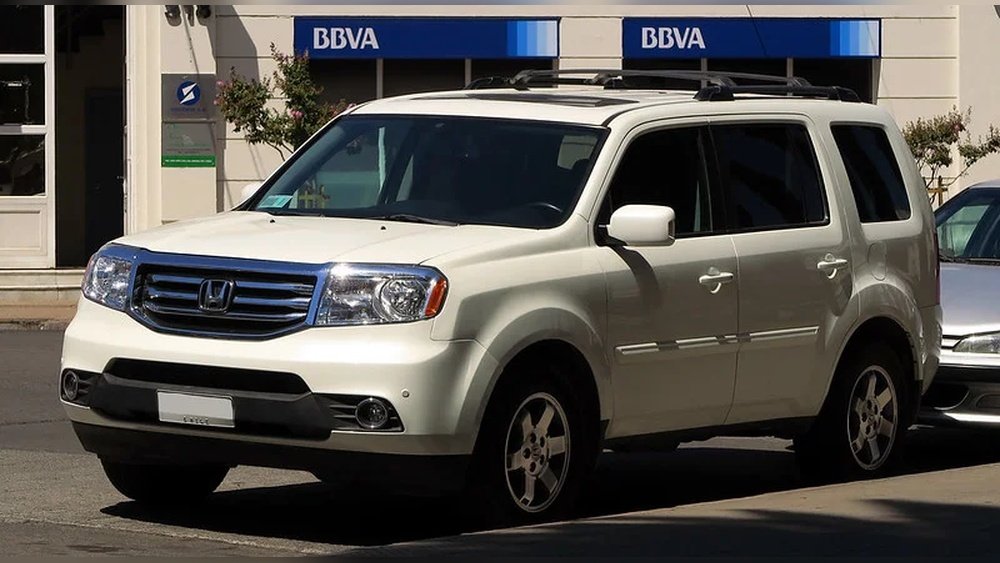
You’re probably wondering, just how long does a Honda Pilot last? If you’re thinking about buying one or already own this popular SUV, knowing its lifespan can help you make smarter decisions.
The good news is, Honda Pilots are known for their reliability and durability, often going well beyond what you might expect from an average family vehicle. But what really affects how many miles and years your Pilot will give you?
You’ll discover the key factors that influence its longevity, the best model years to consider, and practical tips to keep your Pilot running strong for the long haul. Keep reading to find out how you can get the most life out of your Honda Pilot.

Credit: www.hondaofcolumbia.com
Honda Pilot Lifespan
The Honda Pilot can last around 200,000 to 300,000 miles with proper care. Many drivers report their Pilots running smoothly past 250,000 miles. Regular maintenance like oil changes and brake checks helps the vehicle stay reliable.
Several factors affect how long a Honda Pilot lasts. These include driving habits, weather conditions, and how often the car is serviced. Harsh climates and rough roads can cause more wear.
| Factor | Impact on Longevity |
|---|---|
| Maintenance | Regular check-ups extend the car’s life. |
| Driving Style | Smooth driving reduces engine and brake wear. |
| Road Conditions | Good roads cause less damage than rough roads. |
| Climate | Mild weather is better for vehicle health. |
Reliable Model Years
The first generation Honda Pilot, made from 2003 to 2008, is known for its durability. Models from 2006 to 2008 stand out with fewer problems and good performance. These years offer a solid choice for buyers wanting a reliable SUV.
The best years from 2012 to 2015 come from the second generation. These models improved in comfort and technology. They also fixed many early issues, making them very dependable. Owners often report fewer repairs and long-lasting engines in these years.
| Model Years | Reliability Highlights |
|---|---|
| 2006-2008 | Strong build, fewer complaints, steady performance |
| 2012-2015 | Improved tech, fixed issues, more reliable engine |
| 2017-2022 | Latest models with modern features and solid dependability |
Recent models from 2017 to 2022 keep the Pilot’s good reputation. They come with better safety and comfort features. These years are a safe bet for buyers wanting newer SUVs that last.
Common Issues
Transmission problems in the Honda Pilot can cause rough shifting and slipping. Many owners report these issues after driving 80,000 miles or more. Regular fluid changes help reduce these problems. Some models from early 2000s had more transmission complaints.
Other frequent repairs include brake wear, suspension parts, and electrical system glitches. Brake pads and rotors wear out naturally but may need replacing sooner with heavy use. Suspension issues like worn bushings cause a rough ride. Electrical problems often affect power windows and door locks.
| Issue | Common Symptoms | Approximate Mileage |
|---|---|---|
| Transmission Problems | Slipping, rough shifting, delayed engagement | 80,000+ miles |
| Brake Wear | Squeaking, reduced braking power | 30,000-50,000 miles |
| Suspension Issues | Rough ride, noises over bumps | 50,000+ miles |
| Electrical Glitches | Power windows, door lock failures | Varies |

Credit: www.motorbiscuit.com
Maintenance Tips
Following the service schedule is key to keeping your Honda Pilot running well. Regular oil changes, fluid checks, and tire rotations prevent many problems.
The timing belt replacement should happen at the recommended mileage. A worn belt can cause serious engine damage.
Always use quality parts for repairs. Cheap parts may fail quickly and harm your vehicle.
Prompt repairs stop small issues from becoming big problems. Fix noises, leaks, or warning lights right away.
Consider your area’s climate. Hot or cold weather affects parts differently. Protect your Pilot with proper care suited to your environment.
Driving Habits Impact
Aggressive driving wears down your Honda Pilot faster. Rapid acceleration and hard braking strain the engine and brakes. This can lead to more repairs over time. Driving gently helps the vehicle last longer.
Stop-and-go traffic adds extra stress to your Pilot’s engine and transmission. Constant starting and stopping creates heat and wears parts quickly. Keeping a steady pace and avoiding sudden stops can reduce damage.
Patience in traffic and smooth driving habits improve your Pilot’s lifespan. They help maintain engine health and keep the transmission working well. Small changes in how you drive make a big difference.
Choosing The Right Pilot
The last year of a Honda Pilot generation is often more reliable. This is because manufacturers fix earlier problems by then. For example, the 2015 Pilot was the final year of the second generation and had fewer issues than earlier years.
Some years to avoid include models with known transmission or engine problems. The 2009 and 2010 Pilots had more reports of transmission failures. Also, early third generation models like 2016 had some issues that were fixed later.
| Generation | Last Year | Years to Avoid |
|---|---|---|
| First | 2008 | None major reported |
| Second | 2015 | 2009, 2010 |
| Third | 2022 | 2016 |
Choosing a Pilot from the last year of its generation usually means fewer repairs. Avoid models with known transmission or engine problems. This helps you get a more reliable SUV.
Owner Satisfaction
Many Honda Pilot owners share positive feedback about their vehicles. They often highlight the car’s durability and smooth driving experience. Some owners report their Pilots lasting over 200,000 miles with proper care.
Longevity stories are common. Several drivers mention reaching 250,000 miles or more. Regular maintenance, like oil changes and tire rotations, helps keep the SUV running well. Owners feel confident driving their Pilots daily and on long trips.
| Owner Experience | Common Themes |
|---|---|
| High Mileage Reports | 200,000 – 300,000 miles with care |
| Maintenance Tips | Regular servicing extends vehicle life |
| Driving Comfort | Smooth ride, family-friendly |
| Reliability | Few major issues reported |

Credit: en.wikipedia.org
Frequently Asked Questions
Can A Honda Pilot Go 300,000 Miles?
Yes, a Honda Pilot can reach 300,000 miles with regular maintenance and timely repairs. Reliable model years and careful driving also enhance longevity.
How Many Miles Do Honda Pilots Normally Last?
Honda Pilots typically last between 200,000 and 300,000 miles with proper maintenance. Regular service and mindful driving extend their lifespan.
What Year Is The Most Reliable Honda Pilot?
The most reliable Honda Pilot years are 2017-2022, with the last model years of each generation offering improved dependability. Early models from 2006-2008 also show strong reliability. Regular maintenance enhances longevity and performance.
Can A Honda Pilot Last 400,000 Miles?
Yes, a Honda Pilot can last 400,000 miles with proper maintenance, timely repairs, and mindful driving habits.
Conclusion
A Honda Pilot can last well over 200,000 miles with care. Regular maintenance keeps the engine and parts in good shape. Choosing reliable model years improves long-term satisfaction. Mindful driving reduces wear and helps avoid costly repairs. Staying on schedule with oil changes and inspections matters most.
This SUV suits families needing a durable and spacious ride. Trust in proper upkeep to enjoy your Pilot for many years.
When you purchase a product through Amazon links on carsolutionpro.com, we may earn a small commission at no extra cost to you. This helps support the site and keep our content free. As an Amazon Associate, we earn from qualifying purchases made through our links.