You rely on your car every day, so knowing when to replace your timing belt is crucial. But how long do timing belts actually last?
If your timing belt fails unexpectedly, it can cause serious engine damage and costly repairs. You might not see obvious signs until it’s too late. You’ll discover exactly how long timing belts typically last, warning signs to watch for, and why timely replacement can save you money and stress.
Keep reading to protect your engine and keep your car running smoothly.

Credit: www.reddit.com
Timing Belt Basics
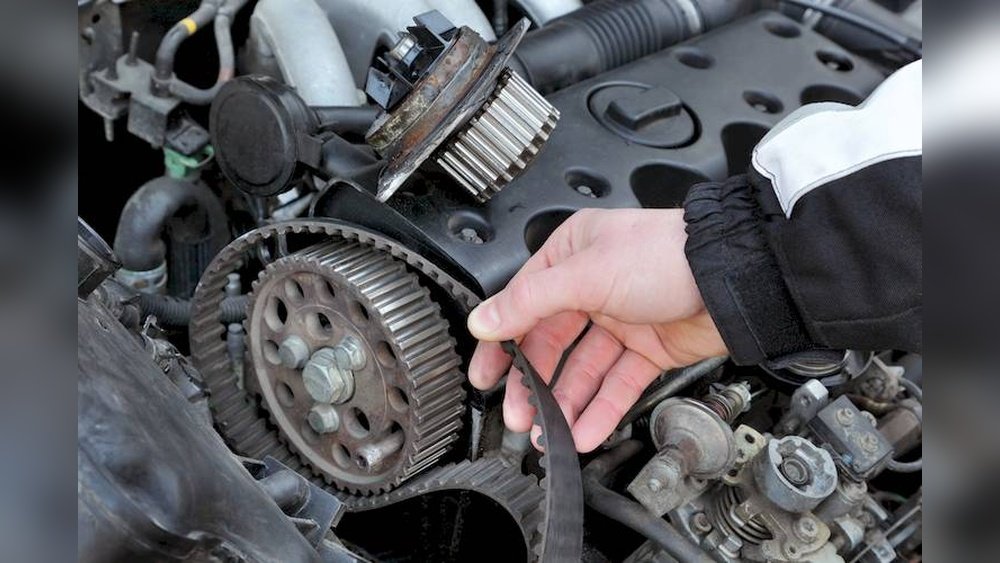
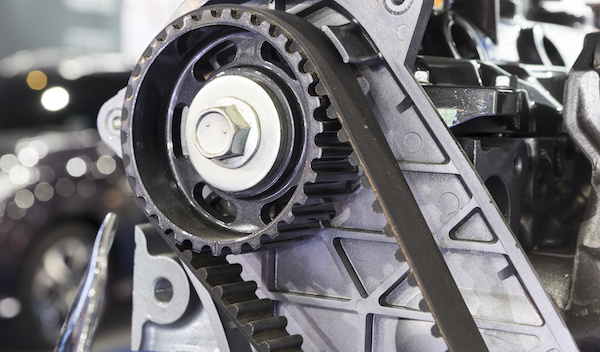
The timing belt keeps the engine’s parts moving at the right time. It connects the crankshaft and camshaft. This lets the engine valves open and close correctly while the pistons move. The belt is made of strong rubber with teeth to grip the gears.
A timing chain does a similar job but is made of metal links. Chains last longer but can be noisier and heavier. Belts are quieter and lighter but wear out faster. Both help the engine run smoothly and avoid damage.
Typical Lifespan
The typical lifespan of a timing belt usually ranges between 60,000 and 100,000 miles. This depends on the vehicle make and model. Following the manufacturer’s mileage guidelines helps avoid sudden belt failure.
Mileage guidelines suggest replacing the belt around these mileages, even if it looks fine. Overstretching a timing belt beyond these limits risks engine damage. Regular checks are important.
Age factors also affect belt life. Even if a car has low miles, a belt older than 5-7 years may become brittle. Heat and oil leaks speed up wear. Replacing belts by age is wise.
Signs Of Wear
Engine performance issues often point to timing belt problems. A worn belt can cause engine misfires or rough idling. The engine may feel sluggish or hesitate during acceleration. Sometimes, the engine cranks but won’t start easily.
Unusual noises like ticking or clanking from the engine front can signal a failing belt. A squealing or high-pitched whine might happen if the belt is loose or slipping, especially when starting or speeding up.
Visible damage includes cracks, fraying, or wear on the belt surface. Oil leaks near the timing belt area can mean the seals or belt are weak. The “Check Engine” light may turn on if the car’s computer detects belt issues.
Consequences Of Failure
Timing belt failure can cause serious engine damage. The belt controls the engine’s timing. If it breaks, the engine’s valves and pistons can collide. This can lead to bent valves, damaged pistons, and even a ruined engine block. Repairing such damage is very costly and time-consuming.
The cost implications of ignoring timing belt replacement are significant. Fixing a broken timing belt alone may cost less than $500. But engine repairs after a failure can run into thousands of dollars. Replacing the belt at recommended intervals is much cheaper and safer.
| Issue | Potential Damage | Approximate Cost |
|---|---|---|
| Timing Belt Replacement | Prevents engine failure | $300 – $500 |
| Timing Belt Failure | Bent valves, piston damage | $1,000 – $4,000+ |
Replacement Timing
Manufacturers usually suggest replacing timing belts every 60,000 to 100,000 miles. This range varies by car make and model. Always check your vehicle’s manual for exact timing belt replacement intervals.
Early inspections help catch wear before failure. Many experts recommend checking the belt at about 30,000 to 50,000 miles. Look for cracks, fraying, or glazing on the belt surface.
Replace the timing belt sooner if the car is used in harsh conditions like extreme heat, heavy traffic, or dusty roads. These factors can wear the belt faster.
| Manufacturer | Recommended Replacement Mileage | Inspection Mileage |
|---|---|---|
| Honda | 60,000 – 100,000 miles | 30,000 – 50,000 miles |
| Toyota | 90,000 – 100,000 miles | 50,000 miles |
| Ford | 60,000 miles | 30,000 miles |

Credit: www.jamestoyota.ca
Inspection Tips
Professional checks are important to catch hidden timing belt issues early. Mechanics use special tools to measure belt tension and inspect components under the cover. They look for cracks, wear, and oil leaks that are not easy to see. A proper check can prevent engine damage and costly repairs.
DIY visual inspections can help spot obvious problems. Look for cracks, fraying, or glazing on the belt surface. Check for any oil or coolant leaks near the belt area. Listen for unusual noises like squealing or ticking from the engine. If you notice any signs, schedule a professional inspection soon.
Preventive Maintenance
Routine service is key for timing belt health. Mechanics check the belt during regular visits. They look for wear, cracks, and looseness. Worn belts can slip or break, causing engine damage.
Other parts connected to the timing belt also need checks. These include the tensioner, pulleys, and water pump. Faulty parts can harm the belt or reduce its life.
| Component | What to Check |
|---|---|
| Timing Belt | Cracks, fraying, tightness |
| Tensioner | Proper tension, smooth operation |
| Pulleys | Wear, noise, alignment |
| Water Pump | Leaks, noise, function |
Routine checks can prevent sudden belt failure. This keeps the engine running smoothly and avoids costly repairs.
Credit: neighborhoodtirepros.com
Cost Factors
The cost of timing belt replacement depends on both parts and labor. Parts include the belt itself and related components like tensioners and pulleys. Labor costs vary widely by mechanic and location. Some vehicles need more time to access the timing belt, raising labor fees.
Vehicle model variations also affect cost. Some engines have easily reachable belts, while others need extra work to remove covers or other parts. Luxury or rare cars often have higher parts prices. This makes replacement more expensive compared to common models.
| Factor | Effect on Cost |
|---|---|
| Parts | Price of belt, tensioners, pulleys |
| Labor | Hours needed to replace belt |
| Vehicle Model | Ease of access and part prices |
Frequently Asked Questions
Can A Timing Belt Last 10 Years?
A timing belt can last up to 10 years, but this depends on driving conditions and maintenance. Regular inspections help ensure safety. Replace it as recommended by the vehicle manufacturer to avoid engine damage and costly repairs.
What Are The Signs Of A Timing Belt Going Bad?
Signs of a bad timing belt include engine misfires, rough idling, ticking or squealing noises, difficulty starting, oil leaks, and the Check Engine light.
How Often Should I Replace My Timing Belt?
Replace your timing belt every 60,000 to 100,000 miles, or as recommended by your vehicle’s manufacturer. Regular checks prevent engine damage.
Can A Timing Belt Last A Lifetime?
A timing belt cannot last a lifetime. It typically needs replacement every 60,000 to 100,000 miles to prevent engine damage.
Conclusion
Timing belts usually last between 60,000 and 100,000 miles. Regular checks help spot wear early and avoid engine damage. Listen for unusual noises or rough engine running. Replace the belt as recommended by your vehicle’s manual. Timely replacement saves money and keeps your car running smoothly.
Don’t wait until the belt breaks—it can cause serious engine problems. Keep your timing belt in good shape for safer, worry-free driving.
When you purchase a product through Amazon links on carsolutionpro.com, we may earn a small commission at no extra cost to you. This helps support the site and keep our content free. As an Amazon Associate, we earn from qualifying purchases made through our links.