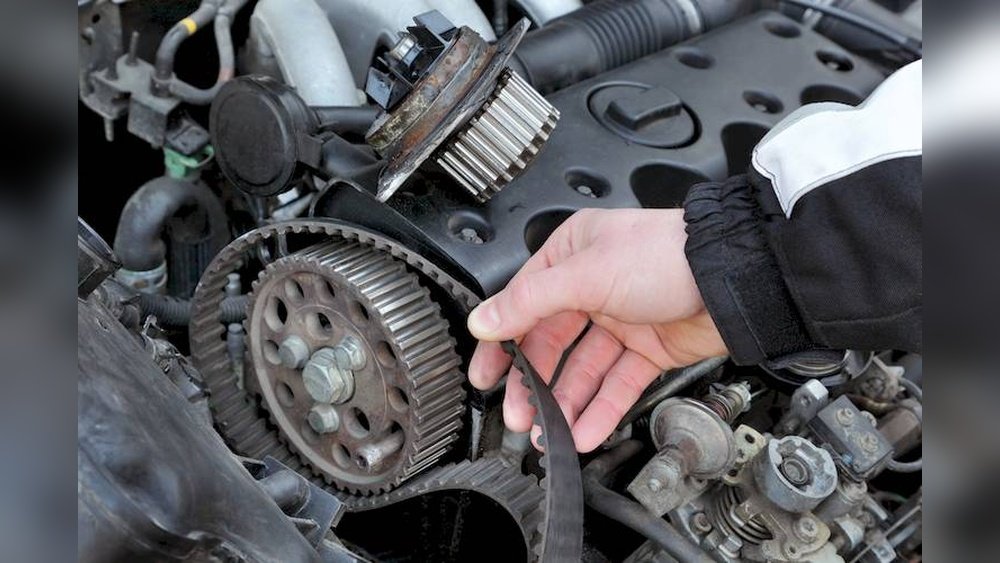
Have you ever wondered how long your car’s timing belt can actually last? It’s a crucial part of your engine that keeps everything running smoothly, but many drivers don’t realize just how important it is to keep an eye on its condition.
If your timing belt fails, it can cause serious damage to your engine—and costly repairs that you definitely want to avoid. You’ll discover the key factors that affect the lifespan of your timing belt, how to spot the warning signs before it’s too late, and why timely replacement is essential to protect your vehicle.
Keep reading to make sure your car stays reliable and safe on the road!
Timing Belt Lifespan
Timing belts usually last between 60,000 to 100,000 miles. This depends on the car make and model. Over time, the belt’s rubber material can get weak and cracked, even if the mileage is low.
Age is a key factor. A belt over 5 to 7 years old should be checked or replaced, regardless of miles. Driving conditions also matter. Hot weather, stop-and-go traffic, and rough roads can wear the belt faster.
| Engine Type | Timing Belt Lifespan |
|---|---|
| Interference Engine | Needs careful replacement; damage risk is high if belt breaks |
| Non-Interference Engine | Less risk of engine damage but replacement still important |
| Timing Chain | More durable; often lasts life of vehicle |
Credit: www.communityautoinc.com
Risks Of A Broken Timing Belt
A broken timing belt can cause severe engine damage. In interference engines, the pistons and valves share the same space at different times. If the belt breaks, pistons may hit valves, bending or breaking them.
Non-interference engines have more space between pistons and valves. This design reduces the risk of serious damage if the belt snaps. Still, the engine will stop working immediately.
Sudden timing belt failure means the engine stops without warning. This can be dangerous on busy roads or highways. It may also leave you stranded, requiring a tow and expensive repairs.
Signs Timing Belt Needs Replacement
Common warning noises include ticking or rattling sounds from the engine. These noises may mean the timing belt is loose or worn out. Pay close attention to any unusual sounds during startup or acceleration.
Visual inspection clues involve checking the belt for cracks, fraying, or missing teeth. A belt that looks worn or damaged needs to be replaced soon. Look for oil or coolant contamination that can weaken the belt material.
Performance issues like engine misfires, rough idling, or difficulty starting can signal timing belt problems. These symptoms occur when the belt slips or loses tension, affecting engine timing and function.
Owner’s manual guidelines provide recommended replacement intervals, usually between 60,000 to 100,000 miles. Following these guidelines helps avoid unexpected belt failure and costly repairs.

Credit: www.youtube.com
Timing Belt Replacement Process
The timing belt replacement is essential to keep your engine running smoothly. Recommended replacement intervals usually range between 60,000 and 100,000 miles, depending on the car model. Old belts can become brittle and snap, causing engine damage.
Other parts to replace with the belt include the water pump, tensioner, and idler pulleys. These parts wear out too and can cause belt failure if ignored.
| Tools Required | Description |
|---|---|
| Socket set | For removing bolts and pulleys |
| Torque wrench | Ensures bolts are tightened correctly |
| Timing light or alignment tools | Used to set correct timing marks |
| Jack and stands | To safely lift and support the vehicle |
Choosing between professional or DIY replacement depends on skill level. Professionals offer safety and guarantee their work. DIY can save money but needs careful attention to detail and proper tools.
Maintenance Tips For Timing Belts
Routine checks help spot timing belt wear early. Look for cracks, fraying, or missing teeth. Check belt tension regularly. A loose or tight belt can cause engine problems. Replace the belt if any damage appears. Use a flashlight and mirror to inspect hard-to-see areas.
Environmental precautions protect the belt’s life. Avoid exposing the belt to oil, coolant, or dirt. These substances can weaken the rubber material. Keep the engine clean and dry. Drive gently in extreme heat or cold to reduce belt stress.
Consulting specialists ensures proper timing belt care. Mechanics can measure belt tension and condition accurately. They know the correct replacement interval for your car model. Professional service helps avoid costly engine damage. Always follow manufacturer guidelines for belt maintenance.

Credit: www.reddit.com
Timing Belts Vs Timing Chains
Timing belts are usually made from rubber and need regular replacement. Timing chains are metal and last longer. Timing chains often last the car’s lifetime, while timing belts last around 60,000 to 100,000 miles. Belts wear out faster due to heat and tension.
Many cars use timing belts because they are quieter and cheaper to make. Timing chains are common in heavy-duty or high-performance engines. Chains need less maintenance but can be noisier.
| Feature | Timing Belt | Timing Chain |
|---|---|---|
| Durability | Needs replacement every 60,000-100,000 miles | Usually lasts the life of the engine |
| Common Use | Passenger cars, light vehicles | Heavy-duty, performance cars |
| Cost | Lower initial cost, higher maintenance | Higher initial cost, lower maintenance |
| Maintenance | Regular replacement needed | Rarely needs replacement |
Frequently Asked Questions
Can A Timing Belt Last 200k Miles?
A timing belt rarely lasts 200k miles. Most last 60k-100k miles before needing replacement to avoid engine damage.
How Long Can I Drive With A Bad Timing Belt?
Driving with a bad timing belt risks sudden failure and severe engine damage. Stop driving immediately and replace it promptly.
Can A Timing Belt Last 10 Years?
A timing belt can last up to 10 years, depending on mileage, driving conditions, and maintenance. Replace it as recommended.
Do Timing Belts Break Without Warning?
Timing belts often break without warning signs. Sudden failure can cause severe engine damage. Regular replacement prevents unexpected breakdowns.
Conclusion
Timing belts usually last between 60,000 and 100,000 miles. Age and driving conditions can reduce their lifespan. Regular checks help spot early signs of wear. Replace the belt as recommended in your manual. A worn belt can cause serious engine damage.
Don’t wait for it to break suddenly. Staying on schedule protects your engine and saves money. Keep your car running smoothly with timely timing belt care.
When you purchase a product through Amazon links on carsolutionpro.com, we may earn a small commission at no extra cost to you. This helps support the site and keep our content free. As an Amazon Associate, we earn from qualifying purchases made through our links.