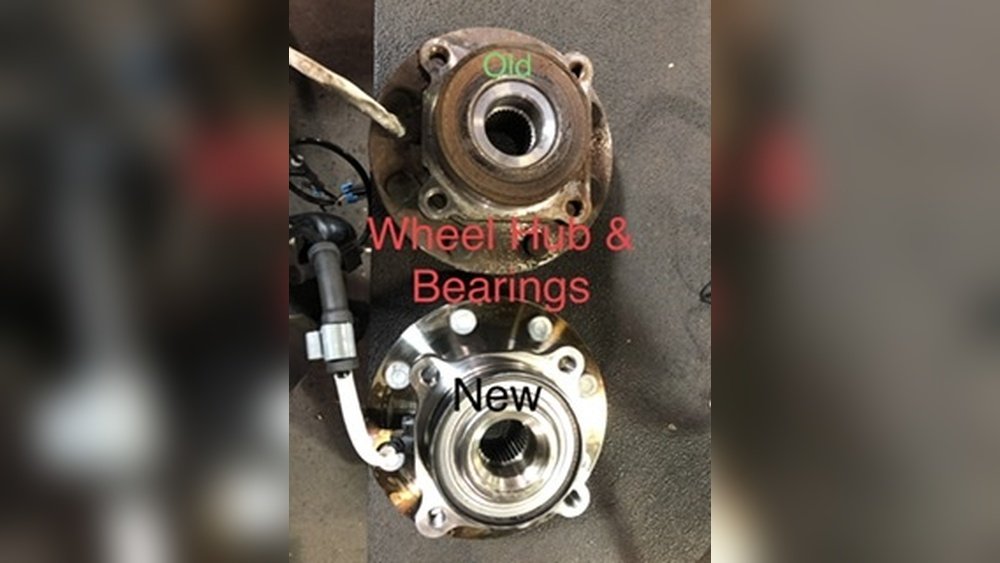
If you’ve started hearing strange noises or feeling unusual vibrations while driving, your wheel bearings might be to blame. But how long can you actually keep driving on bad wheel bearings before things get serious?
This is a question you don’t want to take lightly. Ignoring worn or damaged wheel bearings isn’t just risky—it can lead to dangerous situations like losing control of your car or even having a wheel come off while you’re on the road.
You’ll discover why driving on bad wheel bearings is a gamble you shouldn’t take, how to recognize the warning signs, and what steps you should take to keep yourself and others safe. Keep reading to protect your vehicle and avoid costly repairs down the line.
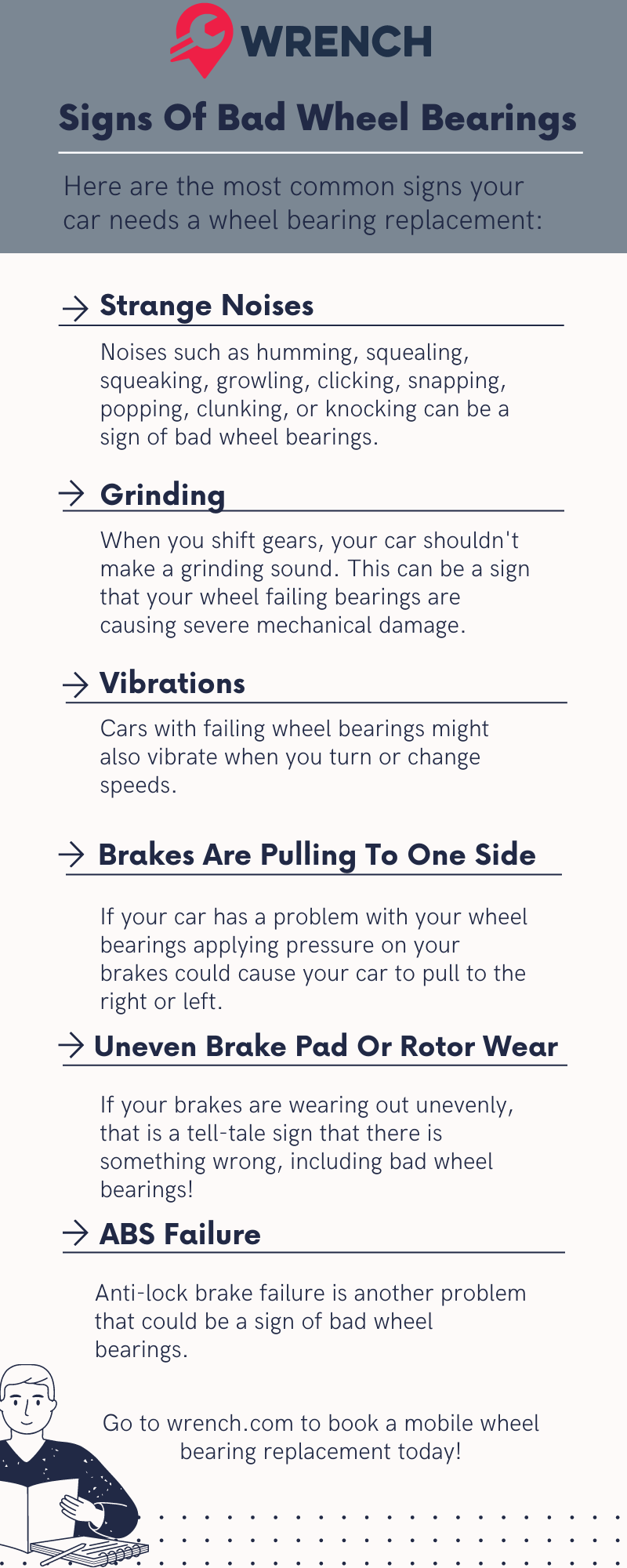
Signs Of Bad Wheel Bearings
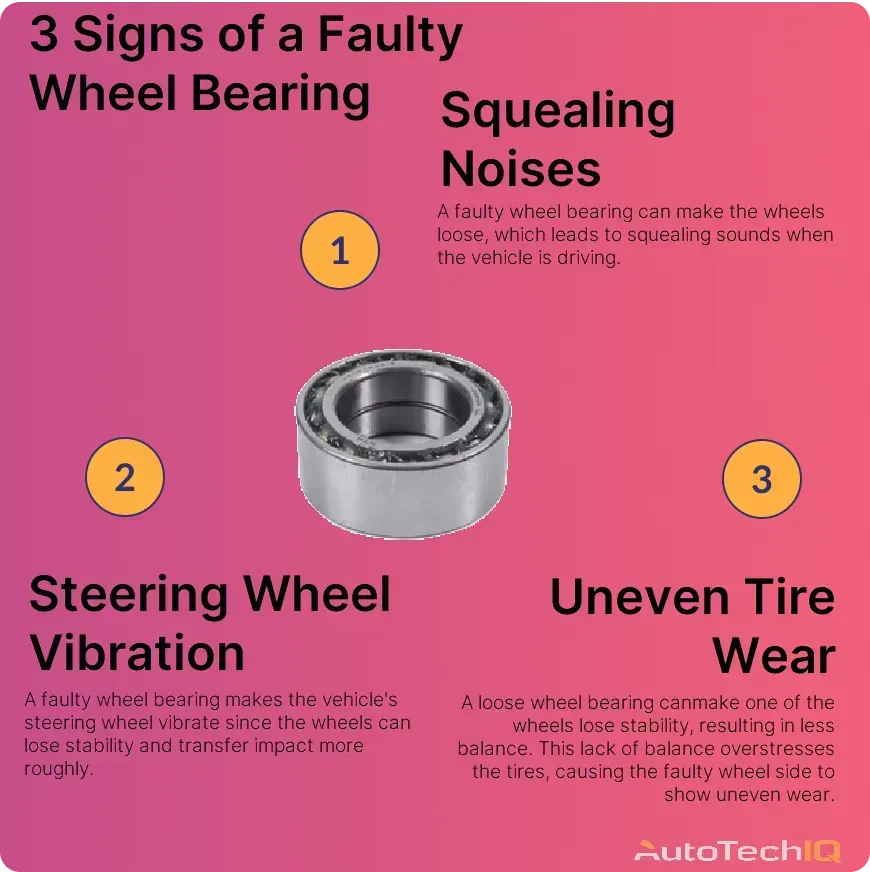
Noise and vibration often signal bad wheel bearings. You may hear a humming, grinding, or growling sound from the wheel area. These noises usually get louder when turning or driving faster. Vibrations felt through the steering wheel or floor can also be a warning sign.
Wheel play and movement means the wheel might feel loose or wobble. You can check this by lifting the car and gently rocking the wheel side to side or front to back. Any extra play suggests worn bearings that need attention.
Heat and smell around the wheel hub can show bearing problems. Bearings create friction and heat if damaged. After driving, the wheel area might feel very hot or smell burnt. This means the bearing is failing and could break soon.
Credit: wrench.com
Risks Of Driving With Bad Bearings
Sudden bearing failure can happen without any warning. This causes the wheel to stop spinning properly, which makes driving very dangerous. You could lose control of the car quickly, leading to accidents.
Wheel detachment is the worst risk. A bad bearing may cause the wheel to come off while driving. This can cause severe crashes and harm to the driver and others on the road.
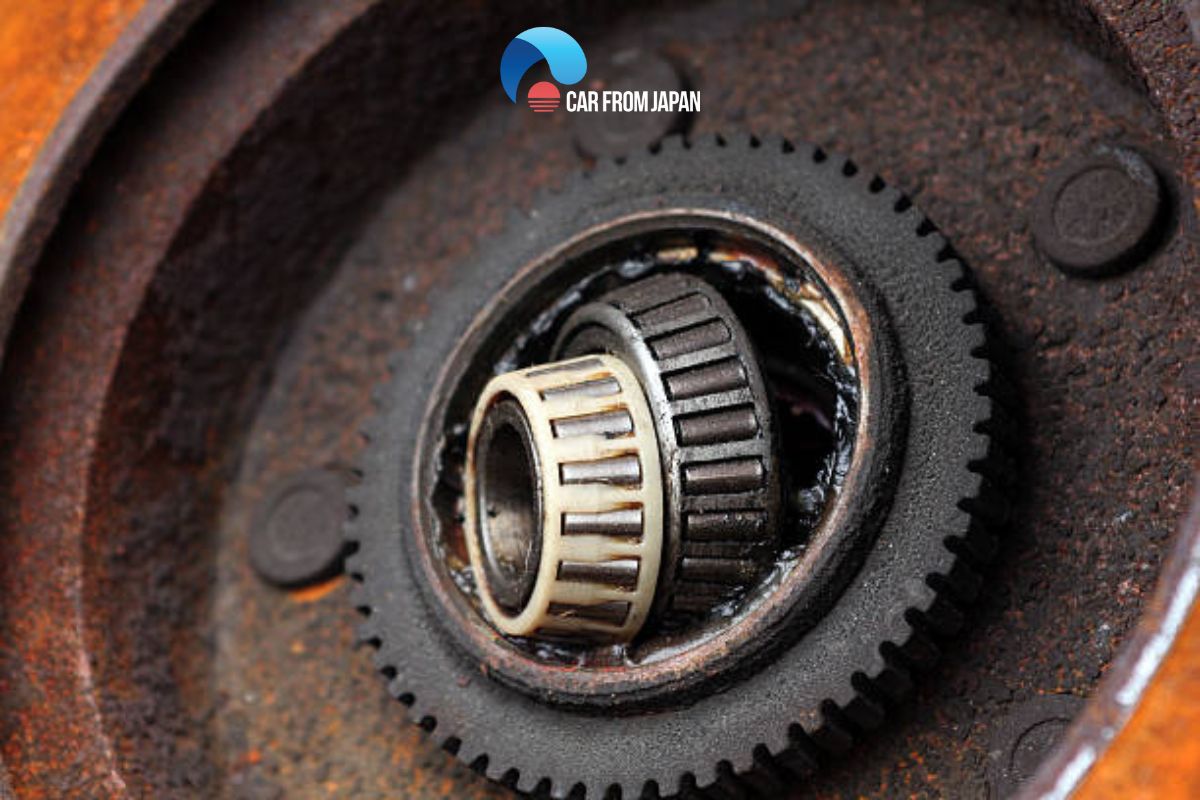
Damage to other components happens if you keep driving with bad bearings. The wheel hub, CV joint, and axle can get broken. This leads to costly repairs and more car trouble.
Factors Affecting Driving Duration
The severity of the damage affects how long you can drive safely. Minor wear may last longer, but serious damage worsens quickly. Driving conditions also matter. Smooth, slow city driving is less risky than rough roads or highways. Vehicle speed plays a big role. Higher speeds increase stress on the wheel bearing, making failure more likely.
Driving fast on bad bearings can cause heat buildup, which makes damage worse. Rough or bumpy roads shake the bearing more, speeding up wear. Gentle driving with low speed reduces risk but does not remove it.
| Factor | Effect on Driving Duration |
|---|---|
| Severity of Damage | Severe damage shortens safe driving time drastically |
| Driving Conditions | Smooth roads allow longer use; rough roads worsen damage |
| Vehicle Speed | Lower speed helps; high speed risks sudden failure |
Credit: carfromjapan.com
Safety Tips If You Must Drive
Drive slowly and cautiously to reduce stress on the wheel bearing. Avoid speeds over 30 mph to prevent further damage.
Steer clear of hard braking and sharp turns. These actions put extra force on the worn bearing, risking sudden failure.
Stop frequently to check the wheel heat. Touch the hub carefully to feel if it is getting very hot. Overheating means the bearing is failing.
Take short trips only. Long drives can make the problem worse and lead to dangerous situations. Use a tow service if possible.
When To Seek Professional Help
Towing your vehicle to a mechanic is usually safer than driving it with bad wheel bearings. Driving can cause sudden failure or a complete loss of the wheel. This risk increases with speed and distance.
Driving slowly and carefully might be possible if towing is not an option. Avoid sharp turns, hard braking, and highway speeds. Stop often to check if the wheel hub feels hot, which signals worsening damage.
| Task | Reason | Advice |
|---|---|---|
| Replace Opposite Wheel Bearing | Both bearings wear out similarly over time | Consider replacing both to prevent future failure |
| Cost of Delayed Repairs | Damage can spread to hubs, CV joints, and other parts | Delays cause higher repair costs and safety risks |
Credit: www.autotechiq.com
Frequently Asked Questions
How Long Can You Drive A Car With A Bad Wheel Bearing?
Driving with a bad wheel bearing is unsafe and risky. Damage severity and conditions affect how long you can drive. Stop immediately and repair to avoid wheel loss or further damage.
Is It Safe To Drive With A Wheel Bearing Going?
Driving with a failing wheel bearing is unsafe. It risks sudden loss of control, wheel detachment, and costly damage. Repair immediately or tow the vehicle to avoid accidents.
How Long Can You Go Without Replacing A Wheel Bearing?
You should replace a wheel bearing immediately upon signs of failure. Driving with a bad bearing risks wheel loss and severe damage. Duration varies by damage severity, but driving any distance is unsafe. Always repair or tow the vehicle promptly to avoid accidents and costly repairs.
Can A Tire Fall Off With A Bad Wheel Bearing?
A bad wheel bearing can cause the wheel to loosen and potentially fall off. Driving risks sudden loss of control and accidents. Repair the bearing immediately to ensure safety and prevent wheel detachment.
Conclusion
Driving on bad wheel bearings is unsafe and unpredictable. Damage may worsen quickly, causing sudden failure. A wheel could come off, risking serious accidents. Short trips at low speeds may reduce risk but don’t guarantee safety. Stop often to check for heat or unusual noises.
Repair or replace bad bearings as soon as possible. Ignoring the problem can lead to costly repairs and danger. Prioritize safety—avoid driving if the bearing feels bad. Your car and your life depend on it.
When you purchase a product through Amazon links on carsolutionpro.com, we may earn a small commission at no extra cost to you. This helps support the site and keep our content free. As an Amazon Associate, we earn from qualifying purchases made through our links.