Have you ever wondered just how hot your car’s engine gets while you’re driving? Understanding your engine’s temperature isn’t just for mechanics—it’s something you should know to keep your vehicle running smoothly and avoid costly repairs.
Your engine works hard, and it generates a lot of heat, but how much heat is normal? At what point should you worry? You’ll discover the typical temperature range of a car engine, the warning signs of overheating, and simple steps you can take to protect your engine.
Keep reading to make sure you’re never caught off guard by engine heat again.

Credit: www.gotodobbs.com
Engine Temperature Range
The typical operating temperature for a car engine is usually between 195°F and 220°F (90°C to 105°C). This range allows the engine to run efficiently without damage.
The dashboard temperature gauge usually stays near the middle when the engine is at normal temperature. If the needle moves toward the red zone, it means the engine is overheating.
| Gauge Position | Meaning |
|---|---|
| Middle of the gauge | Normal operating temperature |
| Approaching red zone | Engine getting hot, watch closely |
| In the red zone | Overheating – stop the car immediately |
Keeping an eye on the gauge helps protect the engine. Overheating can cause serious damage, such as warped parts or engine failure.
Credit: totallymotor.co.uk
Causes Of High Engine Heat
Cooling system failures are a common cause of engine overheating. Problems like a broken water pump, leaking radiator, or a stuck thermostat can stop coolant from flowing properly. This blocks heat from leaving the engine, making it run very hot.
Environmental factors also affect engine temperature. Hot weather makes it harder for the engine to cool down. High outside temperatures raise the engine’s heat, especially if the cooling system is weak or damaged.
Driving conditions play a big role too. Driving in heavy traffic or uphill for a long time makes the engine work harder. This causes more heat to build up. Stop-and-go traffic or towing heavy loads can push the engine temperature higher than normal.
Signs Of Overheating
Warning lights and gauges on the dashboard alert you to engine trouble. A red temperature gauge or a glowing engine warning light means the engine is too hot. Do not ignore these signs.
Unusual smells and noises also warn of overheating. A sweet smell can mean coolant is leaking. Loud hissing or banging noises may come from a stressed engine.
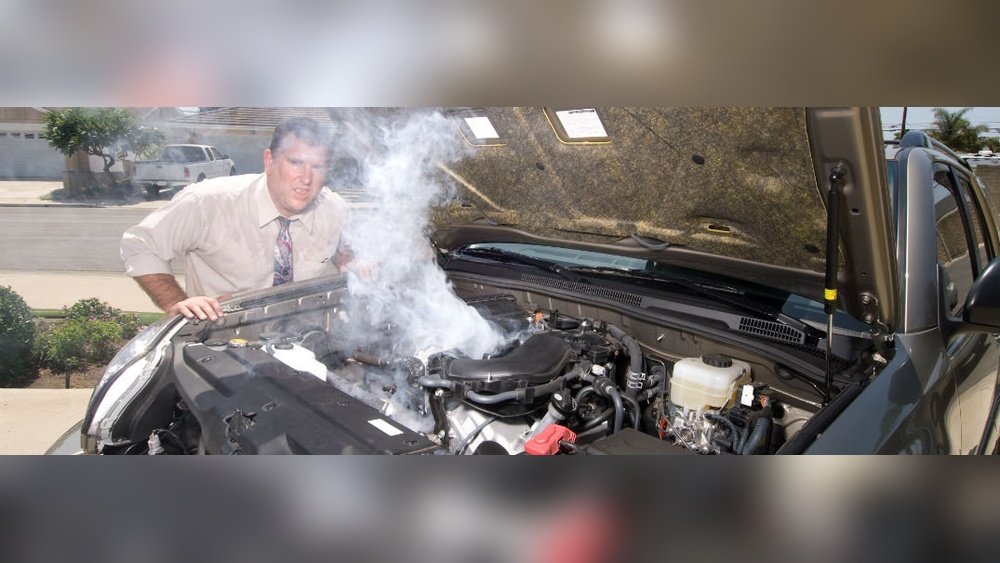
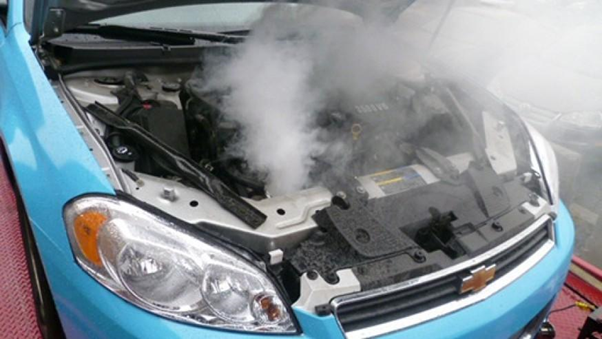
Steam and leaks near the engine or under the car show serious overheating. Steam usually comes from a burst hose or a cracked radiator. Check for wet spots or puddles under the car.
Risks Of Overheating
Overheating can cause serious engine damage. The most common problems include warped cylinder heads, which can lead to leaks and poor engine performance. The engine block may crack, causing coolant and oil to mix, which is very harmful.
Head gasket failure is another costly issue. It can cause coolant to leak into the engine or oil, resulting in overheating and engine misfires. These repairs are expensive and time-consuming.
Other damage types include piston seizure and bearing damage, which happen due to metal parts expanding too much from heat. This can lead to complete engine failure.
Ignoring overheating signs can lead to very costly repairs. Repair costs might include replacing the head gasket, fixing the engine block, or even a full engine rebuild. Regular checks and maintenance help avoid these problems.
Immediate Actions For High Temperature
Stop your car safely on the road shoulder or parking area. Turn off the engine immediately to prevent damage. Avoid opening the hood right away; hot steam might escape and cause burns. Wait at least 15-30 minutes for the engine to cool down naturally before touching any parts.
Use a cloth or gloves if you must open the radiator cap after cooling. Never open it while the engine is hot; pressure can cause hot coolant to spray out. Check coolant levels only when the engine is cool. Add coolant slowly if needed.
Keep a safe distance from hot engine parts to avoid injury. Do not inhale steam or hot fumes. Call for roadside assistance if unsure about the situation. Remember, safety is the top priority during engine overheating.
Preventive Maintenance Tips
Check the coolant level regularly to keep your engine cool. Low coolant can cause the engine to overheat quickly. Top up with the right type of coolant if levels are low.
Keep the radiator and thermostat clean and working well. The radiator helps cool the engine, while the thermostat controls coolant flow. If either part fails, the engine can get too hot.
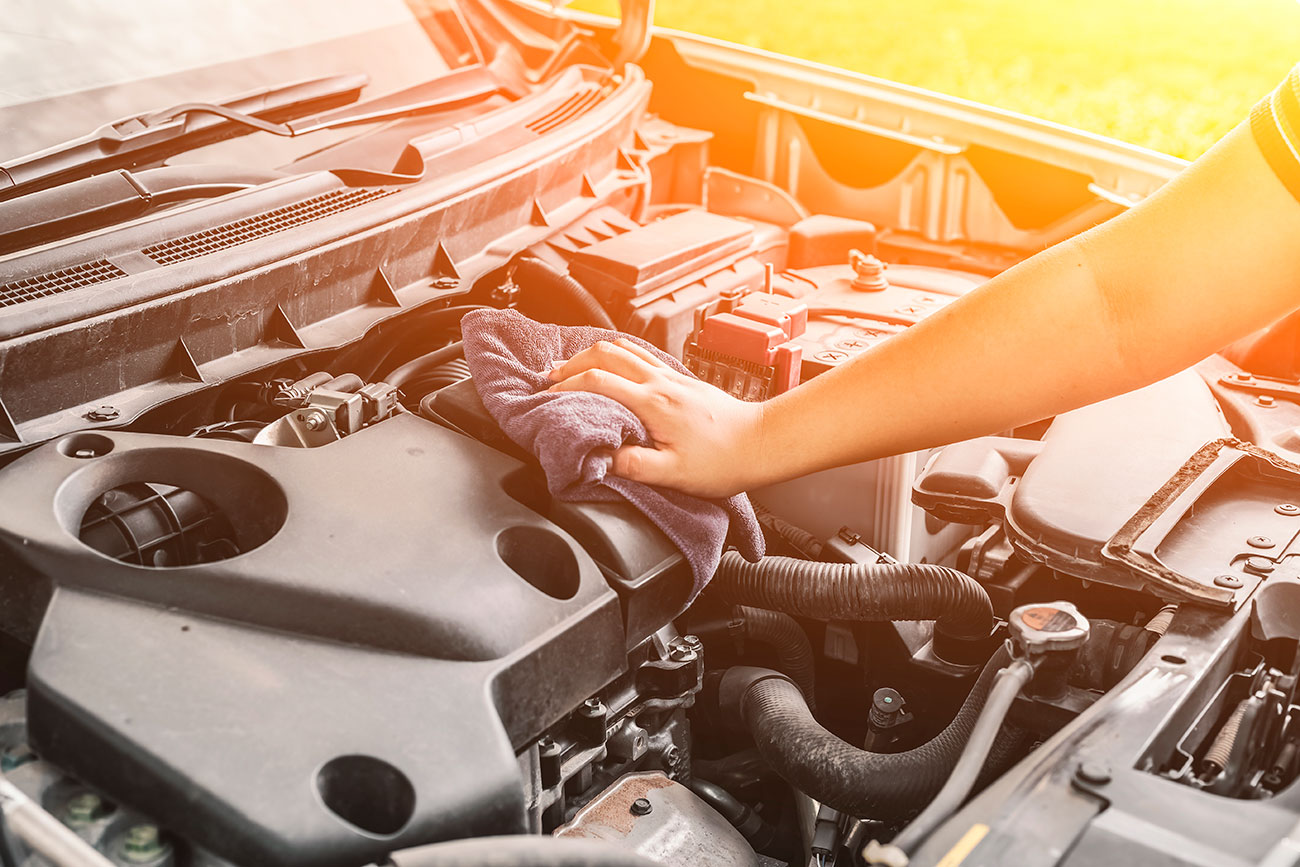
Perform regular inspections of the cooling system. Look for leaks, cracks, or worn hoses. Catching problems early can prevent costly damage and keep your engine running safely.
Managing Heat In Hot Climates
Adjusting driving habits helps keep your engine cool in hot weather. Avoid idling for long periods. Drive smoothly without sudden acceleration. Stop often in heavy traffic to prevent overheating. Use air conditioning wisely; it adds load to the engine and can raise temperatures.
Cooling system upgrades improve heat management. Installing a high-performance radiator helps cool the engine faster. Adding an electric cooling fan increases airflow at low speeds. Using coolant additives can enhance heat transfer and protect the engine parts. Regularly check and replace old coolant for better performance.
Credit: ieabp.com
When To Seek Professional Help
Persistent high temperatures in a car engine indicate a serious problem. Constant overheating can damage engine parts and reduce your car’s life. It is important to get the issue checked quickly.
Diagnostic tests help find the cause of high engine heat. Mechanics may check the thermostat, radiator, coolant levels, and water pump. These tests identify if parts are broken or clogged.
| Repair Options | Details |
|---|---|
| Thermostat Replacement | Fixes temperature control issues by regulating coolant flow. |
| Radiator Cleaning or Replacement | Removes blockages or replaces damaged parts to improve cooling. |
| Coolant Refill or Flush | Restores proper coolant levels and removes old, dirty fluid. |
| Water Pump Repair | Ensures coolant circulates effectively throughout the engine. |
Seeking professional help early can prevent costly repairs. Always address engine overheating without delay.
Frequently Asked Questions
How Hot Is Too Hot For A Car Engine?
A car engine is too hot when the temperature gauge enters the red zone, typically above 240°F (115°C). Stop immediately to prevent damage.
How Hot Does A Car Engine Get Internally?
A car engine’s internal temperature typically reaches 195-220°F (90-105°C) during normal operation. Overheating occurs above 240°F (115°C), risking engine damage.
Is 90 Degrees Hot For A Car Engine?
A car engine at 90 degrees Celsius is within normal operating temperature. It is not too hot and indicates proper engine function.
What Temperature Is It Safe To Leave A Dog In The Car?
Never leave a dog in a car if outside temperature exceeds 70°F (21°C). Inside car temperature rises rapidly and risks heatstroke.
Conclusion
Car engines usually run between 195 and 220 degrees Fahrenheit. Staying within this range keeps the engine safe and efficient. If the temperature climbs into the red zone, stop the car right away. Let the engine cool before checking anything under the hood.
Watch your temperature gauge often, especially in hot weather or heavy traffic. Regular maintenance helps prevent overheating and costly repairs. Knowing how hot your engine gets helps you protect your vehicle and drive with confidence. Keep an eye on the gauge—it speaks for your car’s health.
When you purchase a product through Amazon links on carsolutionpro.com, we may earn a small commission at no extra cost to you. This helps support the site and keep our content free. As an Amazon Associate, we earn from qualifying purchases made through our links.