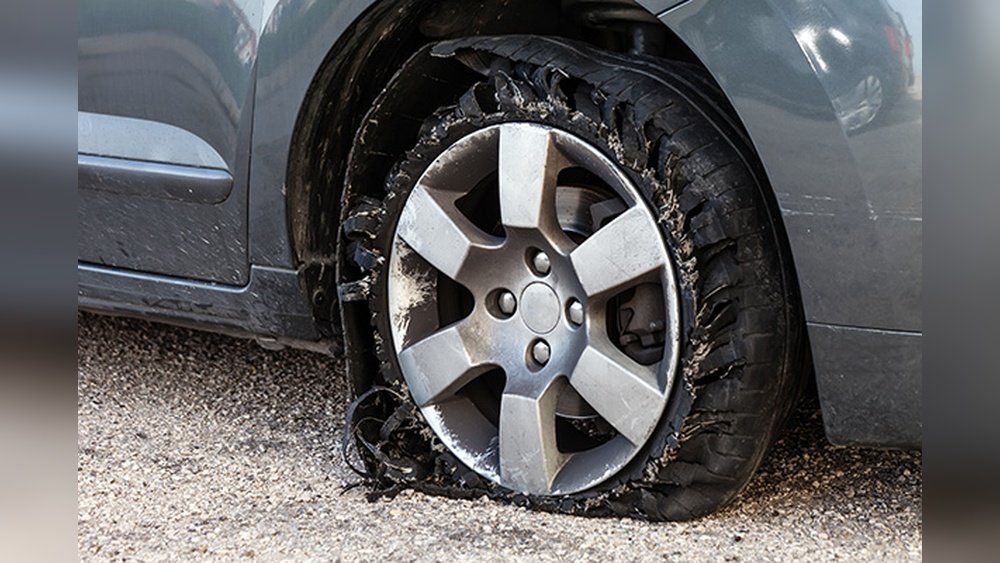
Imagine you’re driving and suddenly you feel your car pulling to one side or hear an unusual thumping sound. You pull over and discover a flat tire.
The immediate question that hits your mind is: how far can you drive on this flat tire before causing serious damage? You might think it’s okay to keep going for a bit, but the truth could save you from costly repairs and dangerous situations.
You’ll learn exactly what happens when you drive on a flat tire, how far you can safely go, and the best steps to take next. Keep reading—your car and your safety depend on it.
Credit: www.reddit.com
Flat Tire Risks
Driving on a flat tire causes serious tire damage. The tire’s structure bends and breaks. This can destroy the tire beyond repair. A simple puncture can turn into a complete loss.
Wheel damage also happens. Without air, the rim scrapes the road. This can bend or crack the wheel. Fixing this is often expensive.
The car parts suffer too. Suspension, brakes, and alignment get extra stress. This may lead to costly repairs over time.
Safety is a big risk. A flat tire makes the car hard to control. Steering becomes tough, and the vehicle may slip or skid. This is dangerous, especially at higher speeds or while turning.
Distance Limits
Run-flat tires allow driving even after a puncture. They can usually go about 50 miles at 50 mph. This lets drivers reach a repair shop safely without changing the tire immediately. The tire’s reinforced sidewalls support the vehicle’s weight without air.
Standard tires are very different. Driving on a flat standard tire can cause serious damage in just a few miles. The tire sidewalls may collapse quickly, and the rim can get bent or cracked. It is safest to stop driving as soon as a flat is noticed. If needed, drive only a short distance at very low speeds to reach help.
| Tire Type | Estimated Distance | Recommended Speed |
|---|---|---|
| Run-Flat Tires | Up to 50 miles | Up to 50 mph |
| Standard Tires | Very short, less than 1 mile | Very slow, under 10 mph |
Signs Of A Flat Tire
Signs of a flat tire include a sudden drop in air pressure. The car may feel unstable or pull to one side. You might hear a flapping or thumping noise from the tire area. The tire can look visibly deflated or flat. A vibrating steering wheel is also a common sign. Sometimes, the tire sidewall can look damaged or bulged. If you notice these signs, it is important to stop driving immediately. Continuing to drive can cause serious damage to the tire and wheel. It also makes the car harder to control, which is dangerous. Check the tire as soon as you can to avoid more problems.
Immediate Actions
Pull over to the side of the road slowly and carefully. Use your hazard lights to warn other drivers that your vehicle is stopped. Find a flat and stable place away from traffic to ensure safety. Avoid sudden stops or sharp turns to keep control of the vehicle.
Turn on your hazard lights as soon as you notice the flat tire. This helps other drivers see your car clearly, especially in low visibility conditions. Keep the lights blinking until you finish changing the tire or get help.
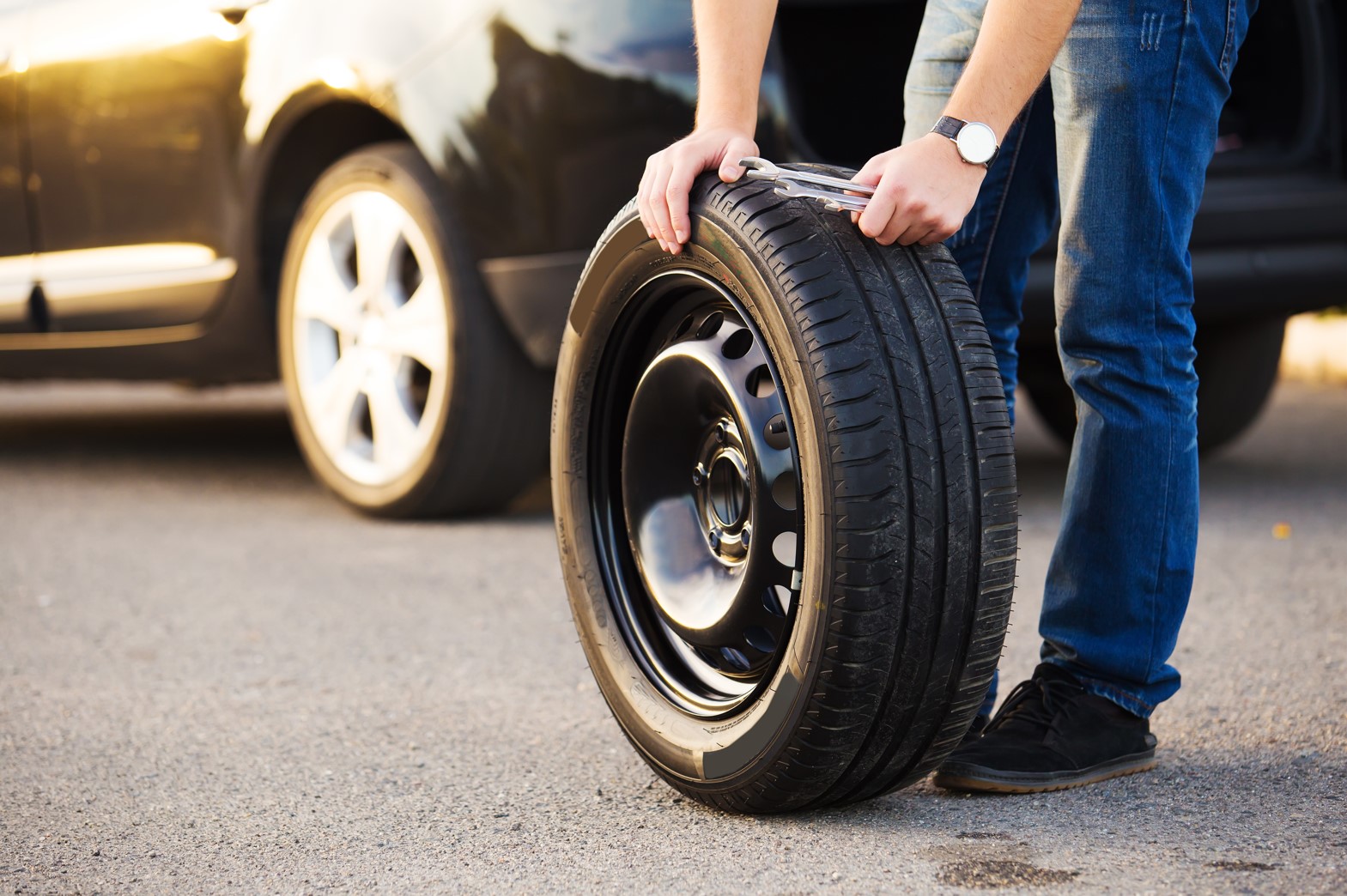
Replace the flat tire with your spare tire if you have one. Use the car jack to lift the vehicle and remove the flat tire carefully. Tighten the spare tire bolts securely before lowering the car back down. Check the spare tire pressure to ensure it is safe for driving.
When To Call Roadside Assistance
Call roadside assistance if you cannot change the tire safely. Driving on a flat tire can damage your car further. It also puts your safety at risk. Professionals have the right tools and skills to help quickly.
Use roadside help when you are on a busy road or feel unsafe. They can tow your car to a repair shop if needed. Waiting for help prevents accidents and keeps you safe.
Try not to drive far on a flat tire. A short distance might be okay to reach a safe place. But beyond that, call for help. It saves your tire, wheel, and car parts from damage.

Credit: www.canadasafetytraining.com
Preventive Tips
Regularly check your tires for any signs of damage or wear. Use a tire pressure gauge to ensure the tires are inflated to the recommended pressure. Proper tire pressure helps avoid flats and improves fuel efficiency. Tires with low pressure wear out faster and can cause unsafe driving conditions. Check tires at least once a month and before long trips.
Keep a small air compressor or tire inflator in your car for emergencies. Maintaining the right tire pressure can prevent sudden flats and extend tire life. Remember, properly inflated tires give you better control and a safer ride on the road.
Credit: www.cbac.com
Frequently Asked Questions
How Far Can I Drive With A Flat Tire?
You should drive no more than a few hundred feet on a flat tire to reach safety. Driving farther risks severe tire, wheel, and vehicle damage. Stop immediately and replace the tire or call for roadside assistance to avoid costly repairs and ensure safety.
Can You Drive 7 Minutes On A Flat Tire?
Driving 7 minutes on a flat tire can severely damage the tire, wheel, and vehicle components. Stop immediately and replace it.
Will Driving On A Flat Tire Ruin It?
Driving on a flat tire will likely ruin it by damaging the tire structure and sidewalls. It can also harm the wheel rim and vehicle parts. Stop immediately, replace the tire, or call for assistance to avoid costly repairs and safety risks.
Can I Drive On A Flat For 3 Miles?
Driving 3 miles on a flat tire can severely damage the tire, wheel, and vehicle. Stop immediately and replace or call for help.
Conclusion
Driving on a flat tire can cause serious damage quickly. The tire’s structure breaks down, and the wheel rim may bend or crack. Other car parts, like suspension and brakes, also face harm. Your safety risks increase due to unstable steering and poor control.
Always stop driving as soon as you notice a flat. Replace the tire with a spare or call for help. Short distances at very low speeds might be possible, but avoid driving far. Protect your vehicle and stay safe by acting fast.
When you purchase a product through Amazon links on carsolutionpro.com, we may earn a small commission at no extra cost to you. This helps support the site and keep our content free. As an Amazon Associate, we earn from qualifying purchases made through our links.