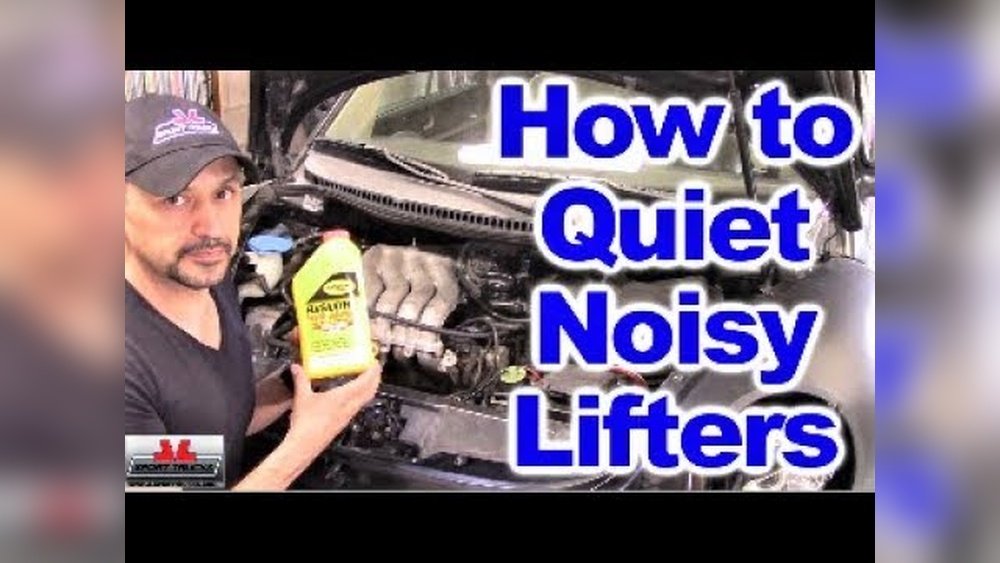
Are you tired of that constant ticking sound coming from your engine? Noisy lifters can be more than just an annoying distraction—they might signal underlying issues that could affect your car’s performance.
But don’t worry, you don’t have to live with that noise or rush to the mechanic just yet. In this guide, you’ll discover simple, effective ways to quiet those noisy lifters yourself. From easy oil changes to clever additives and adjustments, you’ll learn exactly what steps to take to bring back that smooth, quiet ride you deserve.
Keep reading, and take control of your engine’s health today!

Credit: www.spannerrash.com
Causes Of Noisy Lifters
Oil issues often cause noisy lifters. Dirty or old oil loses its ability to lubricate well. This leads to metal parts rubbing and making noise. Deposits can build up inside lifters, blocking oil flow. This causes lifters to tick or click. Changing oil regularly with the right viscosity helps keep lifters quiet. Using oil additives can also clean deposits and improve oil flow.
Valve lash problems happen when the gap between the valve and lifter is wrong. Too much gap makes a tapping sound. Too little gap can cause poor engine performance. Adjusting valve lash to the correct setting stops noise and keeps the engine running smoothly.
Worn or damaged lifters lose their ability to work properly. Over time, lifters can wear out or get damaged. This causes loud ticking or tapping sounds. Replacing worn lifters is often needed to fix the noise and protect the engine.
Oil And Filter Maintenance
Performing an engine flush helps dissolve sludge and deposits inside the engine. This can clear the lifters and reduce noise. After the flush, always replace the oil filter to keep contaminants out.
Choosing the right oil viscosity is key. Use the oil grade recommended in your owner’s manual. Thicker or thinner oil can cause lifter noise or poor lubrication.
Using high-mileage oils can be helpful for older engines. These oils have special additives that clean deposits and protect worn parts. They help keep lifters quiet and improve engine life.
Oil Additives For Lifters
Some popular oil additives can help reduce lifter noise. These additives work by cleaning deposits inside the engine and improving lubrication. Common choices include Sea Foam, Lucas Oil Stabilizer, and Marvel Mystery Oil. They help the lifters move smoothly and quietly.
Use the additives as directed on the label. Pour them into the engine oil when it is warm for best results. Avoid overusing additives, as too much can cause oil thickening or clogging. Always check your vehicle’s manual before adding anything extra.
Regular oil changes with the correct oil type and viscosity are very important. Combine this with using additives to keep lifters quiet and healthy. Be cautious and follow safety steps to protect your engine and yourself.

Credit: www.youtube.com
Adjusting Valve Lash
Adjusting valve lash helps reduce lifter noise by ensuring correct clearance. Valve lash is the gap between the valve stem and rocker arm. This gap must be set within the manufacturer’s specs. Too tight or too loose lash causes noisy lifters and poor engine performance.
Valve lash should be checked during regular maintenance or if you hear tapping sounds from the engine. Cold engines need lash adjustment more often because parts contract. If the noise persists after oil changes, lash adjustment might be necessary.
| DIY Adjustment | Professional Help |
|---|---|
| Good for minor lash adjustments | Recommended for complex engines |
| Requires basic tools like feeler gauge | Mechanics have special tools and experience |
| Follow manual instructions carefully | Better if unsure or no experience |
| Can save money if done correctly | Less risk of damage or errors |
Replacing Lifters
Signs lifters need replacement include persistent ticking sounds and rough engine idle. Lifters may also cause loss of power or engine misfires. Visual checks can reveal lifters worn down or damaged. Engine performance drops as lifters fail to maintain valve timing. Early replacement prevents further engine damage and costly repairs.
Replacement process overview starts with removing the valve cover and rocker arms. Lifters are then carefully extracted from their bores. New lifters must match the engine specifications exactly. Installing fresh lifters requires clean parts and proper lubrication. After replacement, the valve lash should be adjusted to factory settings. Always torque bolts to recommended levels to avoid leaks or damage.

Credit: smitsgroup.co.nz
Preventive Tips
Regular oil changes keep engine parts clean and well-lubricated. Old oil can get dirty and thick, causing lifters to make noise. Change oil every 3,000 to 5,000 miles or as your car manual says. Use the right oil type and viscosity for your engine. This helps lifters work smoothly and quietly.
Using quality engine oils helps protect lifters from wear and tear. High-quality oils have additives that reduce friction and clean engine parts. Choose oils that meet your car’s specifications. This keeps lifters from getting noisy and extends engine life.
Routine engine inspections catch problems early. Check lifters, valves, and other parts often. Look for signs of wear or low oil levels. Fixing small issues quickly can stop lifter noise from getting worse. Regular checks keep your engine running quietly and well.
Frequently Asked Questions
How Can I Make My Lifters Quieter?
Change engine oil and filter using correct viscosity. Add quality oil additives to clean lifters and improve lubrication. Adjust valve lash if noise persists. Replace worn lifters for a permanent fix.
What To Put In An Engine To Quiet Lifters?
Use the correct oil viscosity and change the oil and filter regularly. Add oil additives like Sea Foam or Liqui Moly to clean lifter deposits. Perform a valve lash adjustment if needed. Replace worn lifters for a permanent fix.
How To Use Seafoam To Quiet Lifters?
Add Sea Foam to your engine oil before an oil change to dissolve deposits and improve lifter lubrication. Follow product instructions carefully.
Will Thicker Oil Stop Lifter Noise?
Thicker oil may reduce lifter noise temporarily by improving lubrication. Use the correct oil viscosity for best results.
Conclusion
Noisy lifters can cause frustration but are often fixable. Start with fresh oil and the right filter. Use quality additives to clean and lubricate parts. If noise stays, check and adjust the valve lash. Regular maintenance keeps your engine running smooth and quiet.
Small steps can make a big difference in lifter noise. Stay patient and follow these simple tips for best results.
When you purchase a product through Amazon links on carsolutionpro.com, we may earn a small commission at no extra cost to you. This helps support the site and keep our content free. As an Amazon Associate, we earn from qualifying purchases made through our links.