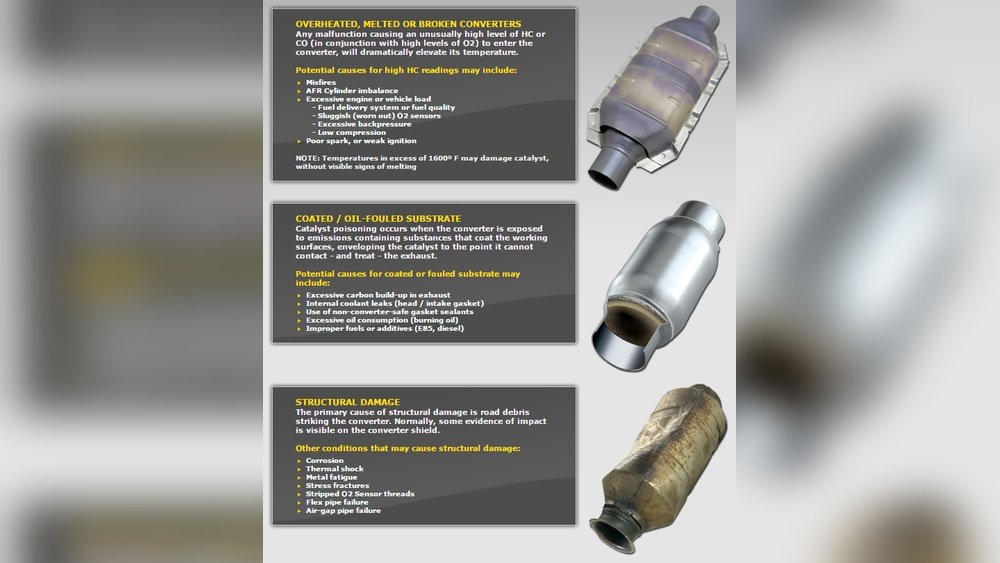
Is your car feeling sluggish or struggling to accelerate like it used to? You might be dealing with a bad catalytic converter.
This crucial part helps reduce harmful emissions, but when it starts failing, your vehicle’s performance can take a serious hit. You may notice rough idling, strange smells like rotten eggs, or even hear rattling noises from underneath your car. Ignoring these signs can lead to bigger problems and costly repairs down the road.
If you’re wondering, “How do I know if my catalytic converter is bad? ”—keep reading. This guide will help you spot the warning signals early and understand what steps to take to keep your car running smoothly.

Credit: www.youtube.com
Signs Of A Bad Catalytic Converter
Sluggish acceleration means the car takes longer to speed up. The engine may feel weak and slow. This happens because the catalytic converter is clogged or damaged. The exhaust gases cannot flow freely, so the engine struggles to perform well.
Rough idle and stalling occur when the engine shakes or stops while the car is still. The idle may be uneven, making the car feel like it might stall. This is a sign the converter is not working properly and affects engine smoothness.
Decreased fuel economy means the car uses more fuel than usual. A bad catalytic converter makes the engine work harder, burning extra gas. This causes fewer miles per gallon and more trips to the gas station.
Unusual Smells And Noises
A rotten egg odor is a clear sign of a bad catalytic converter. This smell comes from hydrogen sulfide in the exhaust. It means the converter cannot clean the gases properly. The smell may be strong near the tailpipe or inside the car.
Rattling sounds under the vehicle also indicate trouble. These noises happen when the internal parts of the converter break apart. The broken pieces move around and create a metallic rattling noise. The sound is usually loud and can be heard when starting or driving the car.
Dashboard Warnings And Emission Issues
The Check Engine Light often turns on when the catalytic converter fails. This light warns of engine or exhaust system problems. It should not be ignored as it signals emission issues.
A Failed Emissions Test is a clear sign of a bad catalytic converter. The converter cleans harmful gases, so failure means it’s not working well. This can cause the vehicle to produce more pollution.
Dark or Black Exhaust Smoke shows that the converter may be clogged or damaged. This smoke means the engine is burning fuel improperly, which the converter cannot fix. It often comes with a strong smell.
Physical Signs And Heat Problems
Excessive heat under the car can be a clear sign of a bad catalytic converter. When the converter is clogged, hot gases get trapped inside. This causes the metal to become very hot and can even damage parts nearby.
Feeling heat under the car, especially near the middle or rear, is unusual. It might make the ground feel warm or even hot after driving. This heat can also cause burnt smells or damage to the car’s floor.
Excess heat can also lead to poor engine performance. The engine might run rough or stall because the exhaust cannot flow freely. Over time, this problem can get worse and cause more damage.
Testing Methods For Catalytic Converter Health
Using an infrared thermometer helps check if the catalytic converter is working well. Measure the temperature at the inlet and outlet of the converter. The outlet should be hotter than the inlet by about 100°F. If temperatures are almost the same, the converter may be clogged or damaged.
Checking exhaust back pressure is another way to test. Attach a pressure gauge before the catalytic converter. Start the engine and watch the pressure reading. High back pressure shows the converter may be blocked. Low or normal pressure usually means it is working fine.
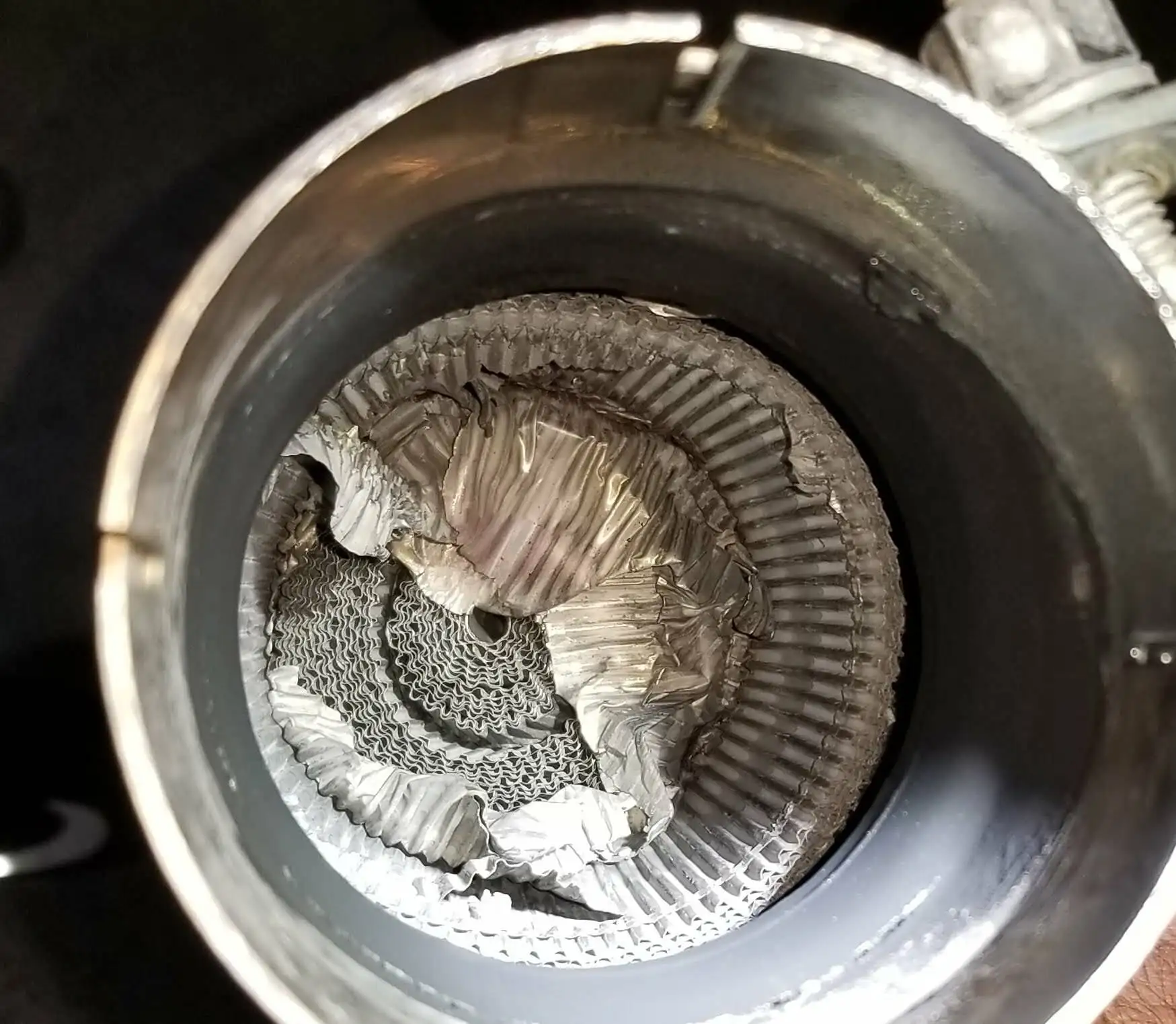
Credit: comtires.com
Consequences Of Ignoring Problems
Engine misfire and stalling are common signs of a bad catalytic converter. The engine may run rough or stop suddenly, making driving unsafe. This happens because the converter blocks exhaust flow, causing pressure that disrupts engine function.
Potential engine damage can occur if these problems continue. Over time, the engine parts may wear out faster due to poor exhaust flow and heat build-up. Ignoring these signs can lead to costly repairs or even complete engine failure.
Driving with a faulty catalytic converter reduces fuel efficiency and causes your car to emit harmful gases. It is important to address these issues quickly to keep the engine healthy and avoid expensive damage.
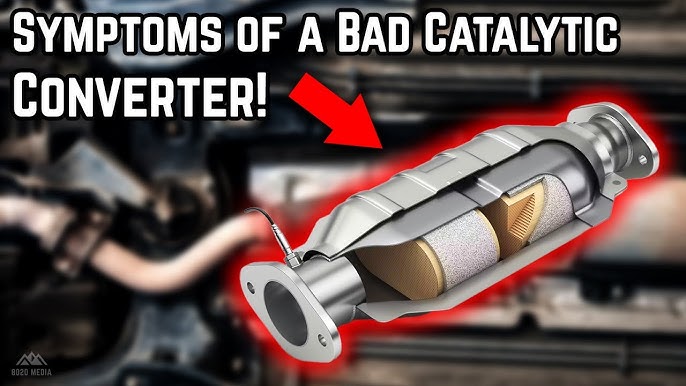
Credit: www.youtube.com
Frequently Asked Questions
How Does A Car Act When The Catalytic Converter Is Bad?
A bad catalytic converter causes sluggish acceleration, rough idle, decreased fuel economy, and a rotten egg smell. It may rattle, trigger the check engine light, produce dark exhaust, stall, or fail to start.
How To Test If Your Catalytic Converter Is Bad?
Test a bad catalytic converter by checking for sluggish acceleration, rough idle, rotten egg smell, rattling noise, and a lit check engine light. Use an OBD-II scanner to read error codes. Poor fuel economy and dark exhaust also indicate issues.
Can I Unclog My Catalytic Converter?
Yes, you can unclog a catalytic converter using chemical cleaners or professional cleaning services. Severe blockages may require replacement.
How Do I Know If A Catalytic Converter Needs To Be Replaced?
A catalytic converter needs replacement if your car shows sluggish acceleration, rough idle, rotten egg smell, rattling noise, or a check engine light. Reduced fuel economy, dark exhaust, stalling, or failed emissions tests also indicate a faulty converter.
Conclusion
A bad catalytic converter affects your car’s performance and fuel use. Watch for slow acceleration, rough idling, or stalling. Notice unusual smells like rotten eggs or rattling noises under the vehicle. The check engine light often signals problems with the converter.
Dark exhaust smoke or failing emissions tests also point to trouble. Catching these signs early saves money and keeps your car running smoothly. Stay alert to these symptoms to avoid bigger repairs later. Regular checks help ensure your vehicle stays safe and efficient on the road.
When you purchase a product through Amazon links on carsolutionpro.com, we may earn a small commission at no extra cost to you. This helps support the site and keep our content free. As an Amazon Associate, we earn from qualifying purchases made through our links.