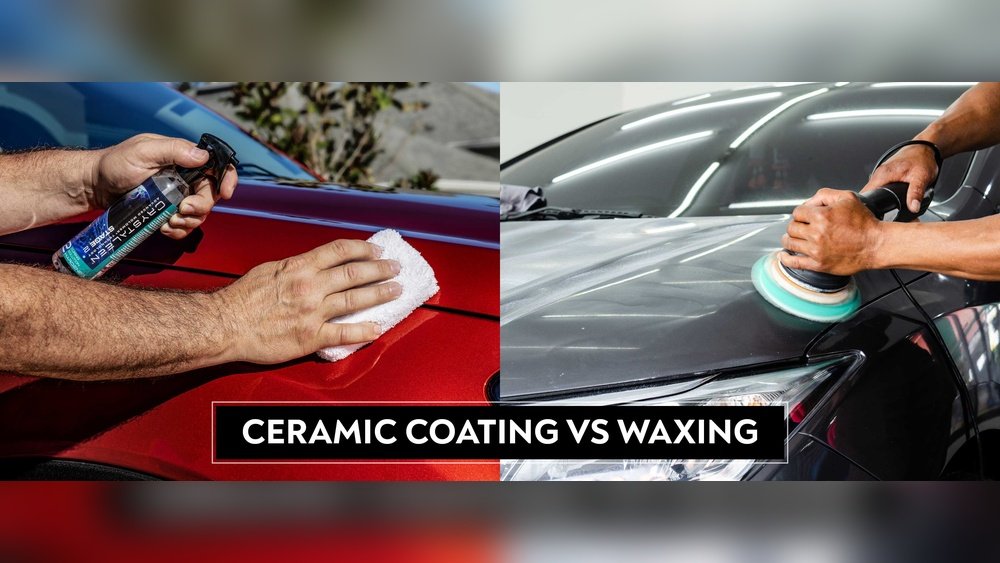
Are you torn between ceramic coating and wax for protecting your car’s paint? Choosing the right option can feel confusing, especially when both promise a shiny, lasting finish.
What if you could find out which one truly gives you the best protection, saves you time, and keeps your car looking brand new? Keep reading to discover the key differences that will help you make the smart choice for your vehicle.
Your car deserves the best—let’s find out what that is.
Credit: coatingsdirectory.com
Ceramic Coating Basics
Ceramic coating is a popular choice for car owners who want long-lasting protection. It creates a strong, clear layer on your vehicle’s paint. This layer guards against dirt, water, and light scratches. Understanding ceramic coating basics helps you decide if it suits your needs.
This section covers what ceramic coating is, its key benefits, and the application process. Each point gives clear information to help you compare ceramic coating with wax.
What Is Ceramic Coating
Ceramic coating is a liquid polymer that bonds to a car’s paint. It forms a hard, protective shell over the surface. This shell is much stronger than wax. It does not wash away or break down quickly. The coating repels water and dust, keeping the car cleaner for longer.
Key Benefits
Ceramic coating offers several strong benefits for car owners. It protects against UV rays that cause paint to fade. It resists stains from bird droppings and tree sap. The coating makes cleaning easier. It also adds a deep, glossy shine that lasts for months or years.
Application Process
Applying ceramic coating requires careful preparation. The car surface must be clean and free of scratches. Professionals often polish the paint before applying the coating. The liquid is then spread evenly using a soft cloth or applicator pad. After application, the coating needs time to cure and harden, which can take several hours to days.
Credit: www.reddit.com
Wax Essentials
Wax is a traditional choice for protecting your car’s paint. It creates a shiny, smooth surface that repels water and dirt. Wax is easy to apply and remove, making it a favorite for many car owners. It offers a natural look and enhances the car’s color. Understanding wax types, benefits, and application helps you decide if it suits your needs.
Types Of Wax
Car wax comes in several forms. Paste wax is thick and lasts longer but takes more effort to apply. Liquid wax is easier to spread but may not last as long. Spray wax is the fastest to use and good for quick touch-ups. Natural waxes, like carnauba, give a deep shine but need frequent reapplication. Synthetic waxes are durable and protect better from harsh weather.
Advantages Of Wax
Wax improves your car’s shine and color depth. It creates a smooth surface that resists water and dirt. Wax is gentle on paint and helps hide minor scratches. It is affordable and easy to find. Wax also feels smooth to the touch and makes washing your car easier. Its protection, while not very long, works well for everyday driving.
How To Apply Wax
Start with a clean, dry car surface. Use a foam or microfiber applicator pad. Apply wax in small circular motions evenly. Let the wax dry until it forms a haze. Use a clean microfiber cloth to buff the surface gently. Work in sections to avoid missing spots. Regular waxing keeps your paint protected and shiny.
Durability Comparison
Durability plays a key role in choosing between ceramic coating and wax. Both protect your car’s paint but last very differently. Understanding their lifespan and resistance helps you pick the best option.
Longevity Of Ceramic Coating
Ceramic coatings last much longer than wax. They create a hard, protective layer on the paint. This layer can stay effective for years, often 2 to 5 years or more.
Once applied, it does not wash away easily. It keeps your car safe from dirt and light scratches for a long time. This makes ceramic coating a cost-effective option in the long run.
Wax Lifespan
Wax provides a good shine but lasts a short time. Usually, wax protection fades in 2 to 6 weeks. Exposure to rain, sun, and washing reduces its life.
Wax needs regular reapplication to keep the paint protected. This means more effort and cost over time. It works well for quick, short-term protection.
Resistance To Elements
Ceramic coating offers strong resistance to water, UV rays, and chemicals. It repels water and prevents damage from the sun’s heat. This keeps the paint looking new longer.
Wax protects against water and sun but not as strongly. It can wear off faster in harsh weather. Wax is less effective against acid rain and bird droppings.
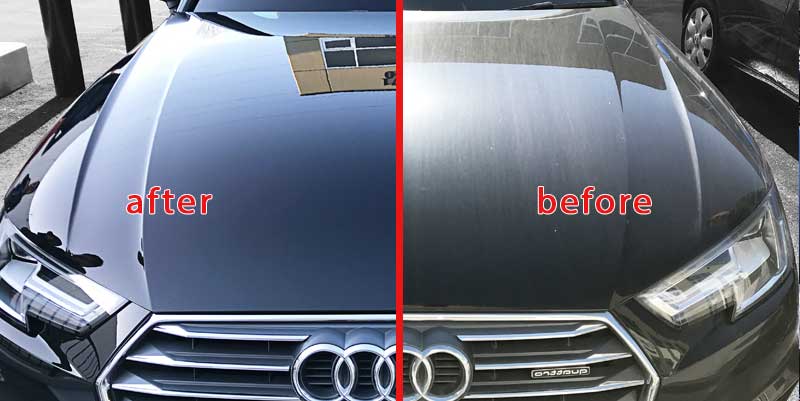
Credit: tintcity.com
Protection Performance
Protection performance is a key factor when choosing between ceramic coating and wax. Both products protect your car’s paint, but their strength and durability differ. Understanding these differences helps you decide which suits your needs better.
Scratch And Swirl Resistance
Ceramic coating creates a hard layer over the paint. This layer resists minor scratches and swirl marks. Wax offers some protection but wears off quickly. It cannot prevent scratches like ceramic coating does. For lasting scratch resistance, ceramic coating performs better.
Uv And Oxidation Defense
Sunlight causes paint to fade and oxidize. Ceramic coating blocks harmful UV rays effectively. It slows down paint fading and damage. Wax protects against UV rays but only for a short time. Its defense against oxidation fades as the wax wears away.
Water Repellency
Ceramic coating has excellent water-repelling properties. Water beads and slides off easily, reducing water spots. Wax also repels water but less strongly and for a shorter time. Ceramic coating keeps the surface cleaner and drier for longer.
Maintenance Needs
Maintenance needs differ greatly between ceramic coating and wax. Understanding these needs helps keep your vehicle’s finish in top condition. Both options protect your car but require different care routines. This section explains what to expect with each method.
Cleaning After Ceramic Coating
Ceramic coating creates a hard, protective layer on your car’s paint. This layer resists dirt and water better than wax. Cleaning is easier and less frequent. Usually, washing with water and mild soap works well. No harsh chemicals or scrubbing are needed.
After coating, avoid automatic car washes with strong brushes. Hand washing is safer to keep the coating intact. Dirt slides off quickly, so rinsing often is enough. The coating lasts for years with proper care.
Wax Upkeep Requirements
Wax provides a shiny finish but wears off faster than ceramic coating. It needs regular reapplication to stay effective. Usually, waxing every 1 to 3 months is best. Exposure to sun and rain speeds up the fading.
Before waxing, clean the surface well. Use special wax cleaners to remove old wax and dirt. The process takes more time than cleaning after ceramic coating. Wax can attract dust, so frequent cleaning is important.
Cost Factors
Understanding the cost factors helps decide between ceramic coating and wax. Both protect your car’s paint but differ greatly in price. Knowing these costs saves money and time over years.
Initial Investment
Ceramic coating costs more upfront. Professional application ranges from $500 to $2,000. DIY kits are cheaper but still cost $50 to $150. Wax is much cheaper initially. A good wax costs between $10 and $30. Application is simple and can be done at home.
Long-term Expenses
Ceramic coating lasts for years with little upkeep. Minimal maintenance means fewer expenses over time. Wax needs frequent reapplication every few months. Regular waxing adds up in cost and effort. Over time, wax can become more expensive than ceramic coating.
Aesthetic Impact
The aesthetic impact of ceramic coating versus wax plays a big role in car care choices. Both protect the car’s surface, but they differ in how they affect the look. The right option can make your car stand out with a fresh, clean appearance. Understanding these differences helps you pick the best product for your needs.
Gloss And Shine
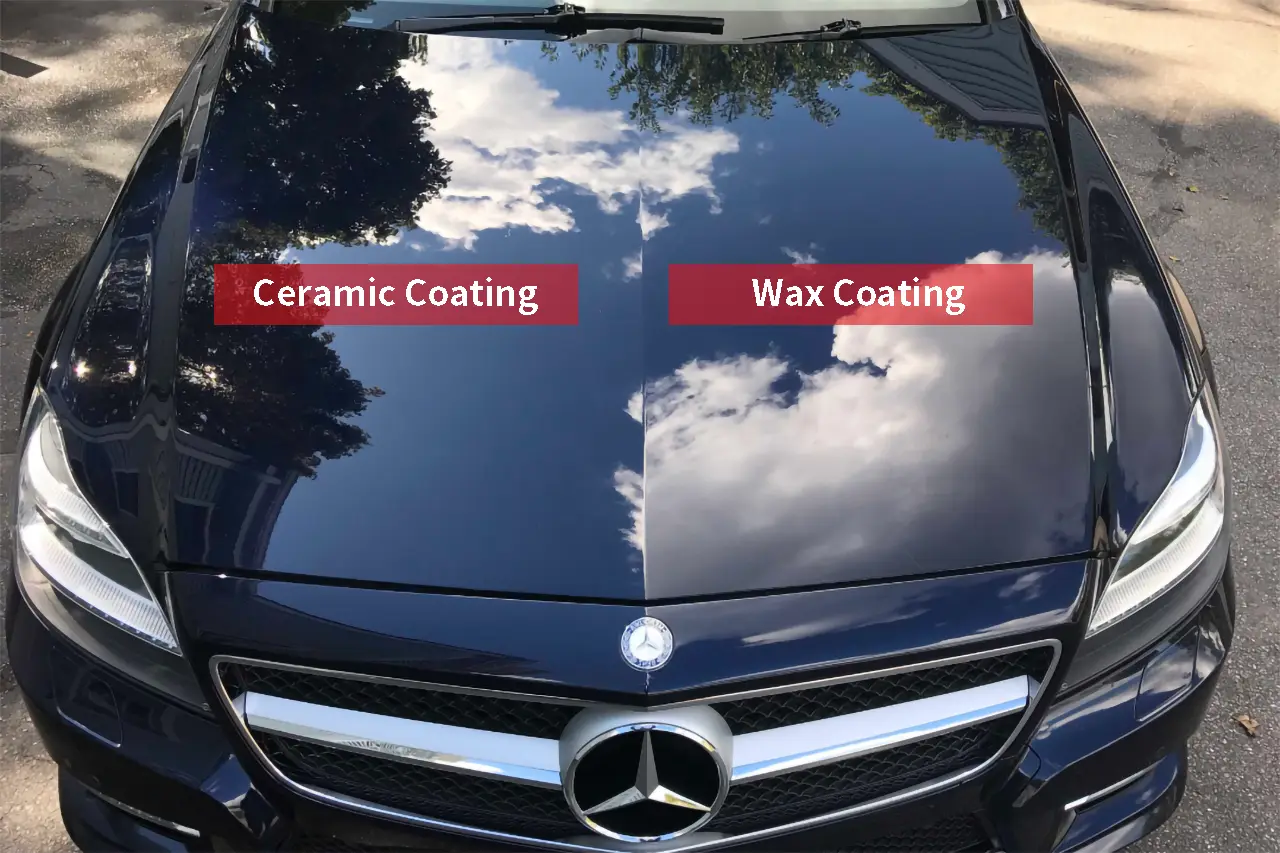
Ceramic coating gives a deep, glass-like shine. It reflects light evenly, making the car look wet and glossy. This shine lasts for months without losing its brightness. Wax creates a softer shine that fades after a few weeks. It needs regular reapplication to keep the car looking shiny. Ceramic coating offers a stronger, longer-lasting gloss.
Color Enhancement
Ceramic coating enhances the car’s color by adding depth and richness. It makes colors look more vivid and vibrant. Wax also improves color but in a subtle way. It adds warmth and smoothness to the paint. The color boost from wax is temporary and less intense. For a more dramatic color effect, ceramic coating is the better choice.
Choosing The Right Option
Choosing the right option between ceramic coating and wax depends on several factors. Each choice offers different benefits and suits various needs. Understanding these factors helps in making the best decision for your vehicle.
Vehicle Usage Considerations
How often you use your vehicle matters a lot. Daily drivers face more dirt and wear than cars used occasionally. Ceramic coating offers long-lasting protection, reducing the need for frequent upkeep. Wax, on the other hand, provides a quick shine but wears off faster. For heavy use, ceramic coating saves time and effort.
Climate Influence
The weather in your area affects the choice too. Hot, sunny climates can fade paint and damage wax layers quickly. Ceramic coatings resist UV rays better and protect the paint longer. In rainy or snowy places, ceramic coatings help repel water and dirt. Wax may need reapplication often in such climates to keep up protection.
Personal Preferences
Your budget and care routine play a key role. Wax is cheaper and easy to apply at home. Ceramic coating costs more but lasts years without much work. Some enjoy the deep shine of wax and don’t mind reapplying it regularly. Others prefer the low maintenance of ceramic coating. Choose what fits your lifestyle and patience best.
Frequently Asked Questions
What Is The Main Difference Between Ceramic Coating And Wax?
Ceramic coating creates a durable, long-lasting protective layer. Wax offers a temporary shine and protection that lasts weeks. Coating resists scratches and chemicals better than wax. Wax is easier to apply but less effective over time.
How Long Does Ceramic Coating Last Compared To Wax?
Ceramic coating typically lasts 2 to 5 years with proper care. Wax usually lasts 2 to 6 weeks depending on conditions. Coating provides extended protection, reducing the need for frequent reapplication. Wax requires regular maintenance to maintain its effect.
Is Ceramic Coating Better For Car Paint Protection?
Yes, ceramic coating offers superior protection against UV rays, dirt, and minor scratches. It forms a hard, hydrophobic layer that repels contaminants. Wax protects paint but is less durable and less resistant to environmental damage. Coating enhances paint longevity and appearance.
Can Wax Be Applied Over Ceramic Coating?
Yes, wax can be applied over ceramic coating to enhance gloss temporarily. However, it is not necessary as coating already provides strong protection. Wax may fill minor imperfections but can reduce coating’s hydrophobic properties slightly. Regular coating maintenance is recommended.
Conclusion
Choosing between ceramic coating and wax depends on your needs. Ceramic coating lasts longer and protects better. Wax is cheaper and easier to apply. Both keep your car shiny and clean. Think about how much time and money you want to spend.
Also, consider how often you want to reapply protection. Either option helps maintain your car’s look. Your choice should fit your budget and schedule. Simple and smart care keeps your vehicle looking great.
When you purchase a product through Amazon links on carsolutionpro.com, we may earn a small commission at no extra cost to you. This helps support the site and keep our content free. As an Amazon Associate, we earn from qualifying purchases made through our links.